
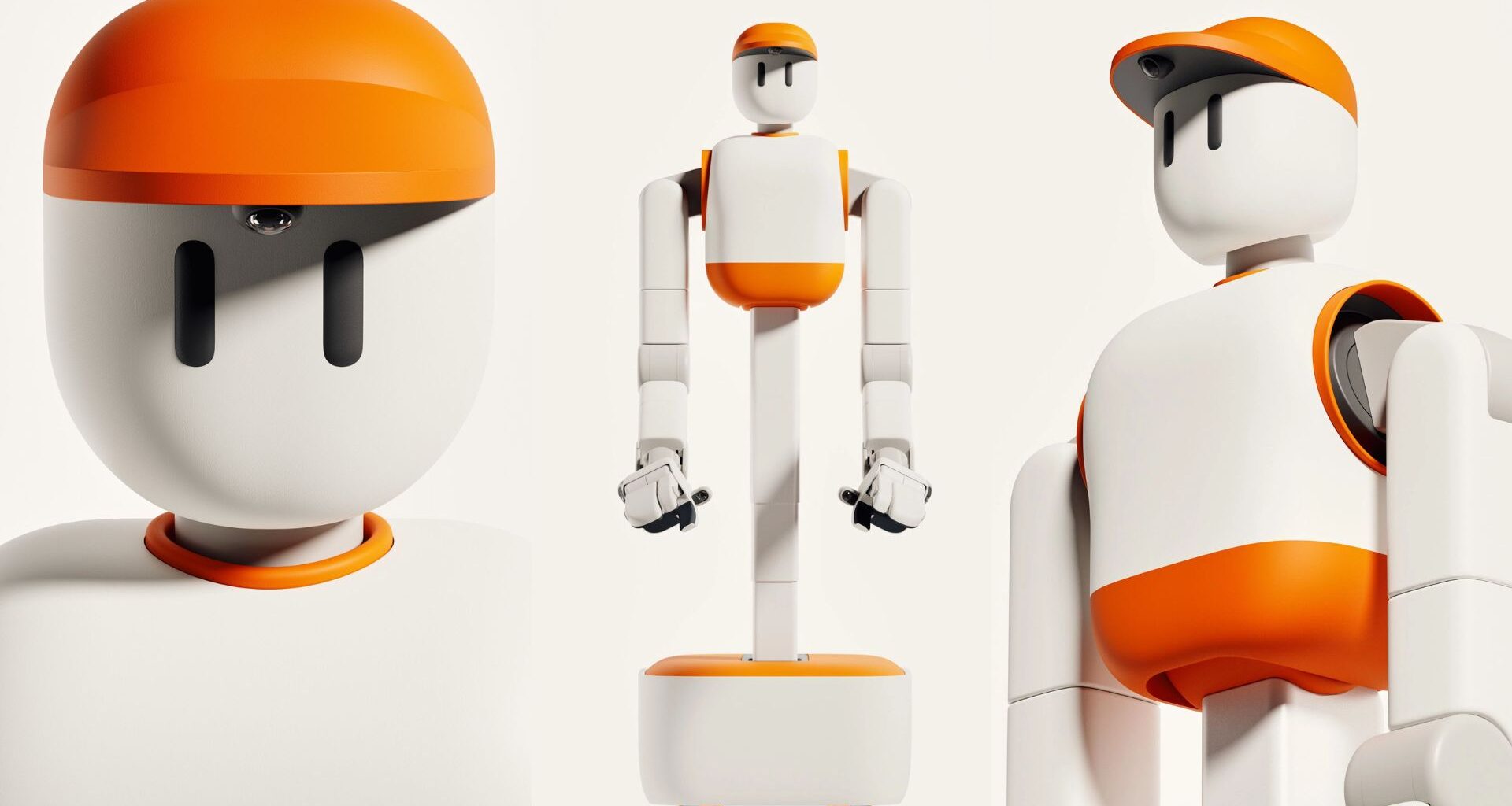
A new participant has emerged in the race to bring practical robotics into everyday life. On November 19, the Mountain View–based startup Sunday introduced Memo, a personal robot designed to assist families with time-consuming household chores.
Developed by Stanford-trained roboticists Tony Zhao and Cheng Chi, Memo is a machine that learns directly from real-world domestic behavior rather than industrial simulations or tightly controlled lab environments.
A Robot shaped by real homes, not controlled labs
The center of Memo’s development is household data. This is an element that Sunday argues has been missing from the field of home robotics. The company gathered daily routine data from more than 500 households using its patented Skill Capture Glove, a wearable device that records how people move, clean, sort, and organize objects.
Sunday says this data-collection effort produced nearly 10 million episodes of actual household routines, a dataset the company calls unmatched in both diversity and scale for home robotics.
This allows Memo to handle what researchers refer to as “long-horizon” tasks, or multi-step activities that involve context, decision-making, and variability.
According to the company, Memo can handle chores such as clearing tables, running the dishwasher, folding laundry, sorting shoes, and even brewing espresso. These are tasks that typically challenge robots exposed only to structured environments.
After 18 months in stealth, dozens of prototypes, millions of real-home demonstrations, and one final all-nighter, we’re thrilled for you to say hello to Memo pic.twitter.com/o97uLWCuMS
— Sunday (@sundayrobotics) November 19, 2025
“The problem has always been data,” Zhao stated in the announcement. “Most home robots start as adaptations of industrial machines, and those trained in labs rarely succeed in unpredictable, real-world environments.” He added that the glove-based system gives Memo access to thousands of hours of practical knowledge that reflect what families actually need.
Eric Vishria, General Partner at Benchmark, echoed the significance of real-world data, calling it essential for robots that can operate outside controlled demonstration settings. “The promise of AI robotics isn’t back-flipping or dancing demos, but robots that work in messy, real-world situations. To have those, we need real-world training data,” he noted, describing the current industry data volume as only a fraction of what is required.
A soft, retro-futuristic design built for stability
Memo’s physical design diverges from the push toward fully humanoid robots. Instead of legs, Memo uses a wheeled base for mobility and balance, with a central column that can raise or lower its torso to reach different heights. This structure keeps the robot stable even during power loss, avoiding the risk of falls.
The robot features a glossy white body with two arms, a friendly cartoon-like face with long, button-like eyes, and interchangeable colorful baseball caps. The look leans toward a retro-futuristic aesthetic, a little bit like Baymax from the Movie Big Hero 6 or early Nintendo-era hardware rather than hyper-realistic humanoids.
The company describes Memo’s silicone-clad exterior as soft and approachable, designed to blend into homes rather than stand out as industrial machinery.
Early access program planned for 2026
The company will begin accepting applications for Memo’s Founding Family Beta on November 19, 2025. Fifty households will be selected as early adopters, each receiving a numbered unit and direct support as Sunday continues refining capabilities ahead of a wider release.
The startup has grown to a team of 25 engineers and researchers with experience from institutions including Stanford, Tesla, DeepMind, Waymo, Meta, and Neuralink.