
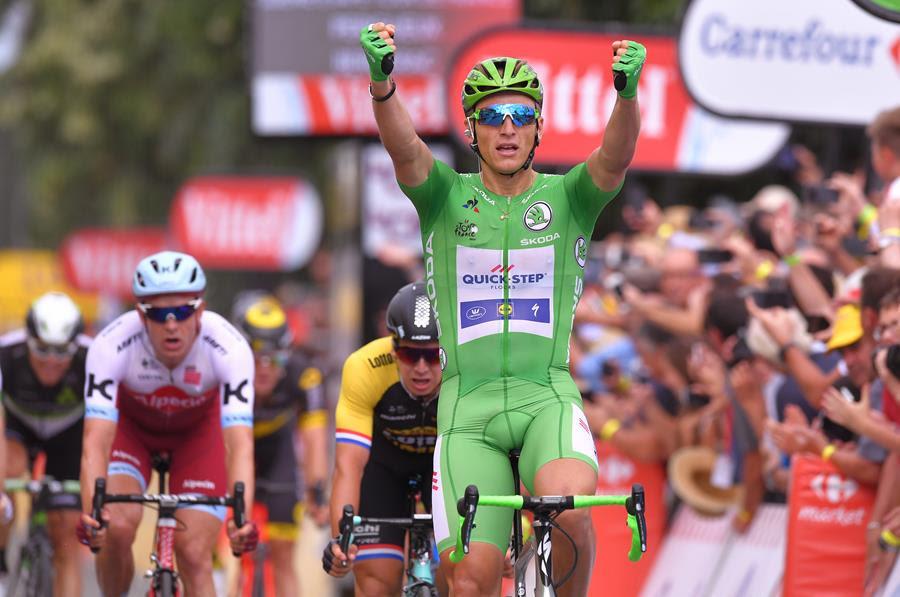
Marcel Kittel is back in pro cycling, not as a rider but as the sprint coach of the Unibet Rose Rockets (as they’ll be known next season), the team formed out of the Tour de Tietema YouTube channel that have made some eye-catching signings for 2026, including Dylan Groenewegen, Wout Poels and Victor Lafay.
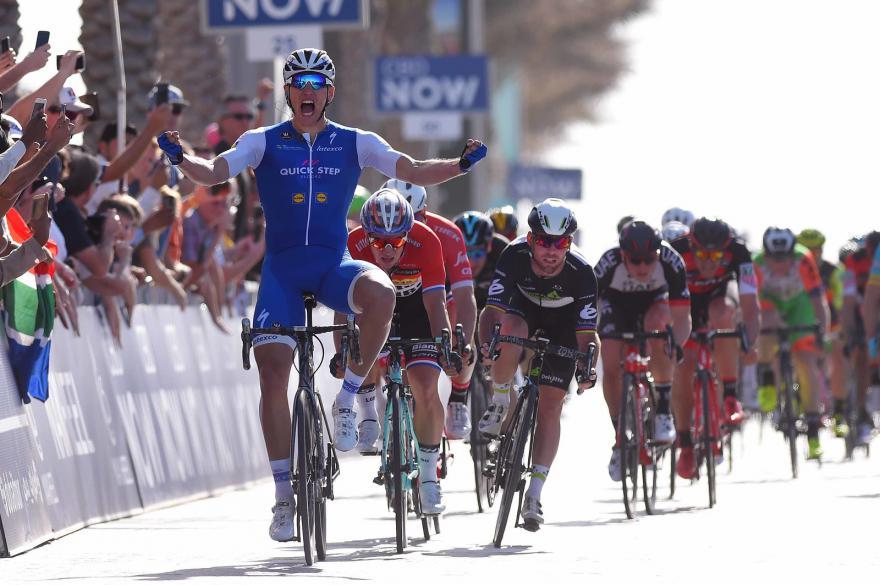
The 14-time Tour de France stage winner has also been in the news after an interview with Domestique, the German sprinter suggesting it would be “very ignorant about the facts” to assume cycling is a clean sport.
“I don’t believe that cycling is clean now,” he said. “Absolutely not. You would be very ignorant about the facts. There will always be people who are trying to cheat the system. We just have to be sure that we really safeguard what we have and the progress that we made and make sure that these are single cases and not a widespread doping system that we had in the 90s.”
That’s probably the key here, Kittel hinting there that he doesn’t think we’re talking about widespread doping programmes, just individual cases. The regularity of UCI press releases dropping into our inbox about such cases means Kittel is probably right that it would be ignorant to think cycling is completely clean.
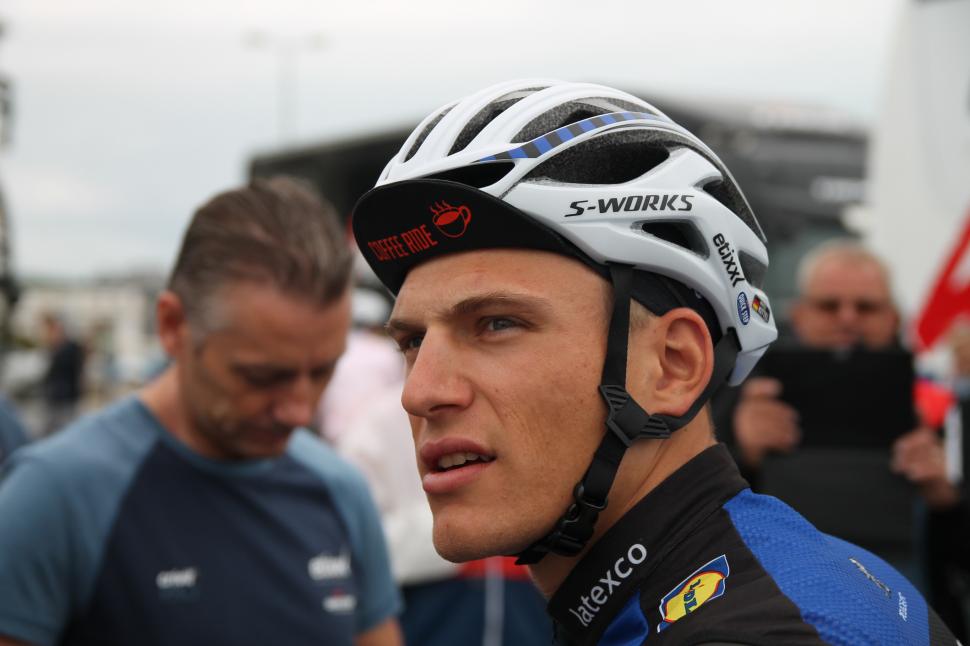
“Look at the budgets, how they have gone up, the salaries that riders can earn. There are riders who see an opportunity and who see also an opportunity not to cheat someone, but to end up with a better life. And I think that is also a fact. It is probably in the first instance very human.”
Kittel, who despite retiring in 2019 is still only 37, added that he doesn’t think that every exceptional performance should be disbelieved, and he was quick to point out how much training and other parts of the sport have improved in the past couple of decades.
“Journalists and fans absolutely have a right to say if they feel like, ‘I am not sure if I can trust it’. Then we should see this as a sign, ‘Okay, we have to check it and make sure this is really a valid result and we can really trust it’.
“People are doing amazing things on the bike. Because the periodisation of the training and racing planning, everything around it, the innovation, it all just comes into place on that day.”
Looking back at his career, which spanned from the mid-noughties to midway through the 2019 season, Kittel reflected that the sport needed a reset following the high-profile doping scandals of the era he began his career in and those before.
“There were already like a lot of disappointed fans who were yelling at us, spitting at us. And I was there as a youth rider, like, what’s going on? What does this have to do with me?” he recalled.
“I think it was not a black eye. I think that actually took a leg off of the body of cycling… because it will never go away. It will always be there as a topic. I absolutely think this was necessary. It gave the opportunity to talk about it and really to analyse where this came from.”