
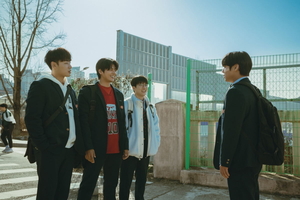
The hallways of adolescence have always been fertile ground for storytelling. Teen dramas are produced almost everywhere, but Korea injects its own cultural DNA into the genre. In K-school dramas, settings like yaja (night study sessions) and suryeonhoe (school retreats) often double as narrative engines. For international viewers, these unfamiliar rituals can feel opaque, but in Korea, they’re key dramatic accelerators.
Suryeonhoe: Reset button for relationship dynamics
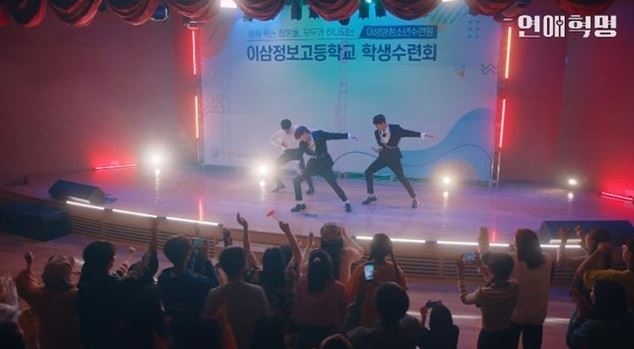 “Love Revolution” (Kakao TV)
Suryeonhoe, or school retreats, are a cornerstone of Korean adolescence — and a gold mine for drama writers. These off-campus excursions reliably spark emotional shake-ups: new alliances, escalated rivalries and unexpected confessions.
In “Love Revolution,” some of the show’s most defining romantic and comedic beats unfold during this event — from the talent shows that are almost obligatory at Korean high school retreats to the late-night escapades the male lead stages to win over his crush.
Room assignments, activity pairings, sneaking out after lights-out — every logistical detail becomes a narrative pivot. Suryeonhoe functions as a reset point where relationships can shift dramatically, fueled by the sense of being away from home and forced to spend the night together in a shared, unfamiliar environment.
Uniforms: Visual language of character, hierarchy
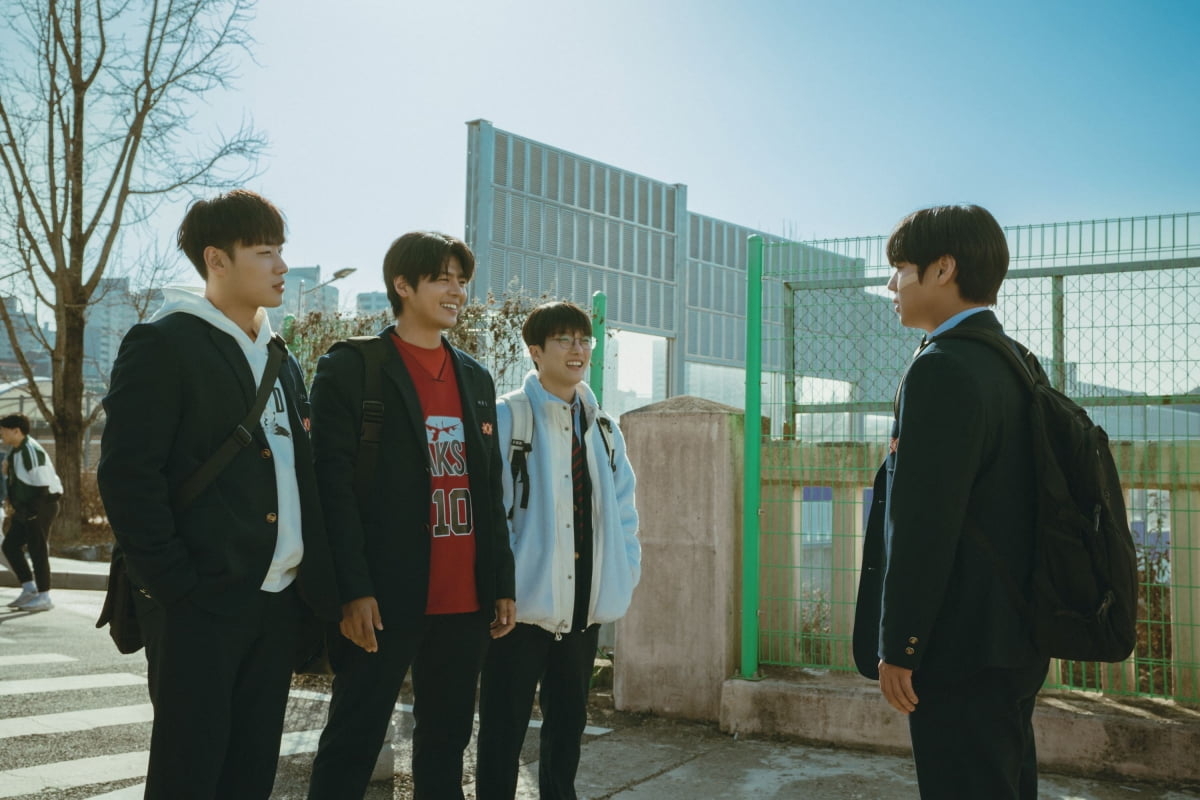 “Weak Hero Class” Season 2 (Netflix)
School uniforms in K-dramas aren’t just wardrobe — they’re a visual narrative system. Styling choices telegraph class, personality and even emotional barriers before a character speaks.
In “Weak Hero Class” Season 2, Yeon Si-eun’s crisp, perfectly buttoned uniform mirrors his rigid, self-contained nature, while Hoo-min’s basketball jersey under his school jacket signals his easy warmth. “Extraordinary Attorney Woo” uses flashbacks of Woo Young-woo’s pristine uniform to underline her isolation amid a loosely dressed crowd. Even in the lighter “Love Revolution,” the contrast between Gong Ju-young’s playful look and Wang Ja-rim’s neat, restrained styling maps directly onto their emotional distance.
Uniforms become shorthand: hierarchy, rebellion, personality, all communicated in a single glance.
Yaja: Built-in pressure cooker for emotional breakthroughs
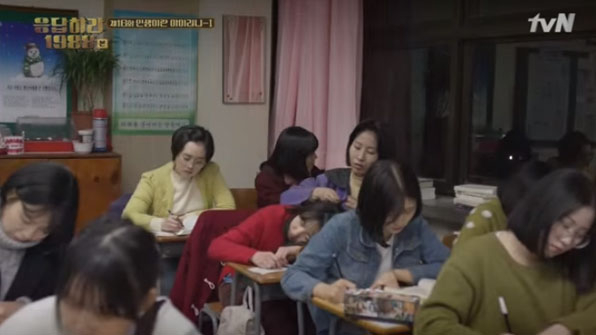 “Reply 1988” (tvN)
Korea’s high-pressure academic culture created a distinctive K-drama plot device: yaja, or nighttime self-study.
Short for “yagan jayul hakseup,” yaja is an after-hours study period where students stay in monitored classrooms well into the night, sometimes until midnight.
On-screen, the dim, enclosed space operates as an easy relationship accelerator. Silence, close quarters and fluorescent lights heighten tension and propel the narrative, particularly with hormone-fueled teens confined together.
Writers often use yaja to collapse emotional distance. In “Extraordinary You,” after-hours classrooms turn into stage sets for whispered confessions and heightening romance, while in “Reply 1988,” Deok-sun and her friends forge lifelong bonds through their nightly study sessions.
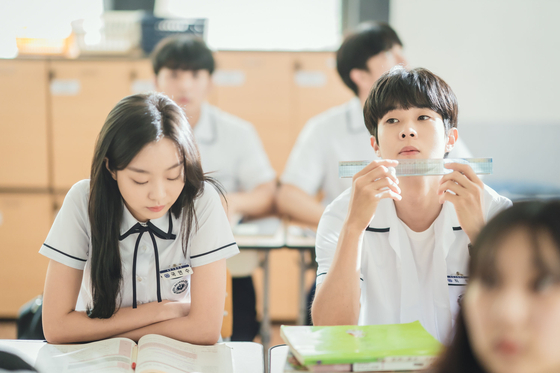 “Our Beloved Summer” (SBS)
International viewers may not have experienced after-hours study halls or overnight school trips, but the emotional logic is clear — quiet hallways amplify emotions, while uniforms create visual distance and the nights away prompt characters to try the unexpected.
K-drama creators refine these school-life tropes not as cultural background noise but as deliberate narrative levers that accelerate character arcs and deliver addictive emotional payoffs.
For global audiences stepping into Korean teen dramas for the first time, understanding these elements reveals the machinery beneath the genre’s most compelling beats. These aren’t just traditions — they’re the hidden structural engines powering the stories.