
They are assessed under the assets test and receive a fortnightly pension of $671.50 combined, or $17,459 a year. They also get the concession card and benefits. This, along with the $80,000 a year they draw tax-free from super, gives them a comfortable lifestyle.
Loading
Now suppose they wanted to earn extra income. At their level of assets, they can earn a total of $67,600 a year without losing any pension. For income test purposes, their super is given a deemed income of $764 a fortnight, or $19,876 a year.
After subtracting that, they can still earn $47,724 a year without reducing their pension. If they earn that income jointly, perhaps from consulting, their entire income – super, pension and work – will be tax-free.
Now think about Jenny. She has had a tough life and the $100,000 she received from super when she retired at age 60 was quickly eroded trying to build a new life. She’s now 67 and has no assets except a few dollars in the bank.
Rent is a struggle, but she finds a place for $400 a week – the government contributes $108 a week in rent assistance, so her net accommodation cost is $292 a week. She qualifies for the full single pension of $30,654 – a total income of $36,254 a year including rent assistance.
Jenny is resilient and thinks about looking for a job paying $45,000 a year. This is where her problems start. Because she is income-tested, once her income reaches $218 a fortnight she will lose 50 cents of every dollar earned.

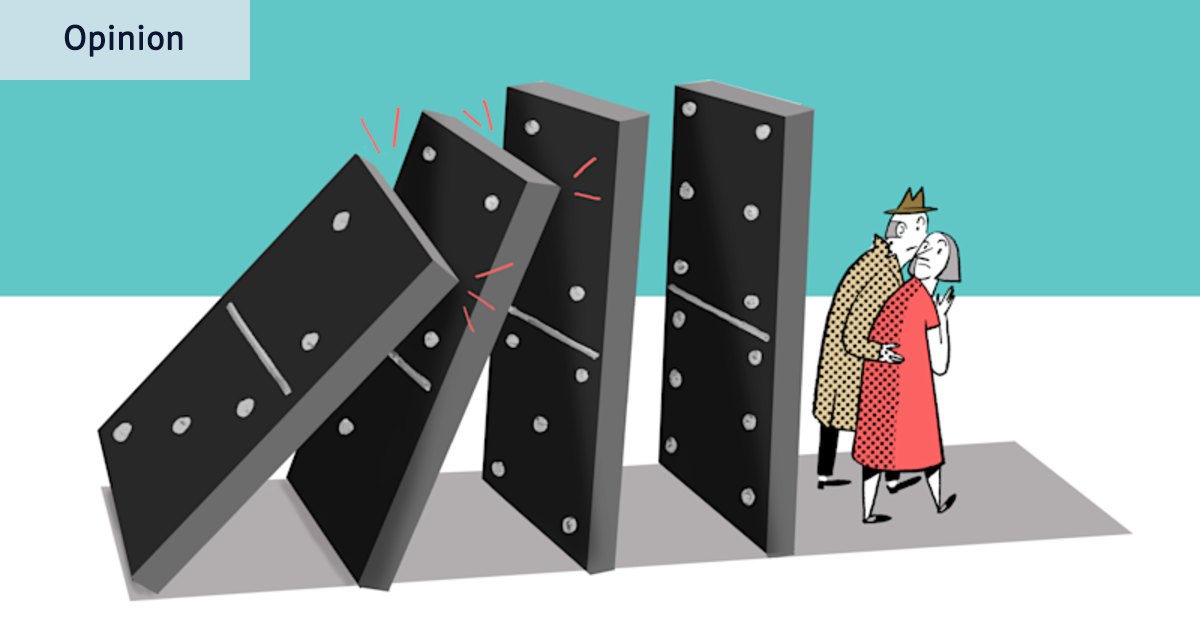
Poorer pensioners must not be punished for trying to make ends meet.Credit: Jessica Shapiro
She qualifies for the Work Bonus of $300 per fortnight, the equivalent of $7800 a year, which can be saved in the work bonus income bank. Depending on complex rules, she may also get the one-off $4000 bonus credit. Combined, this could allow her to earn an extra $11,400 during her first year’s work before her work income reduces her pension.
If Jenny does return to work, the $45,000 she earns will be assessed by Centrelink as $33,200, after deduction of the work bonus – $1277 a fortnight – so her pension will be cut by $530 a fortnight to $649 a fortnight ($16,874 a year). In her second year working, when the work bonus boost is exhausted, the numbers get worse: her pension will drop to $572 a fortnight.
And there’s more. A salary of $45,000 plus age pension of $16,874 is assessable income, on which Jenny will pay tax of $10,516 a year. The total cost of returning to work, including loss of pension and tax, is $26,216 – an effective marginal tax rate of 60 per cent on the salary she is trying to earn.
Loading
Think about it — a wealthy couple can earn nearly $48,000 a year with no effect on their pension or income tax, yet some of the poorest Australians who need to work just to survive are hit with effective marginal rates of around 60 per cent. It’s ludicrous.
National Seniors Australia (NSA) has argued for many years that employment income should be exempt from the age pension income test. This would simplify the system and encourage older people to remain in the workforce if they need or want to.
NSA regularly hears from older workers – nurses, teachers, carers – who are asked to stay on past pension age but decline because the numbers simply don’t stack up. These are not wealthy retirees; they are people with limited savings who must work to fund a dignified retirement.
In addition to boosting pensioners’ incomes, NSA argues it would also boost sectors suffering crippling workforce shortages, particularly health and aged care, where experience and maturity are desperately needed.
Yes, exempting employment income may reduce pension savings on paper. But the economic and social benefits – including easing workforce shortages in health and aged care – far outweigh the cost.
It’s time to end a policy that punishes the poorest for trying to help themselves – and replace it with one that rewards effort, contribution and dignity.
Noel Whittaker is author of Retirement Made Simple and other books on personal finance. Questions to: noel@noelwhittaker.com.au
Advice given in this article is general in nature and is not intended to influence readers’ decisions about investing or financial products. They should always seek their own professional advice that takes into account their own personal circumstances before making any financial decisions.