

Erie PA doctor discusses drugs more patients should be taking
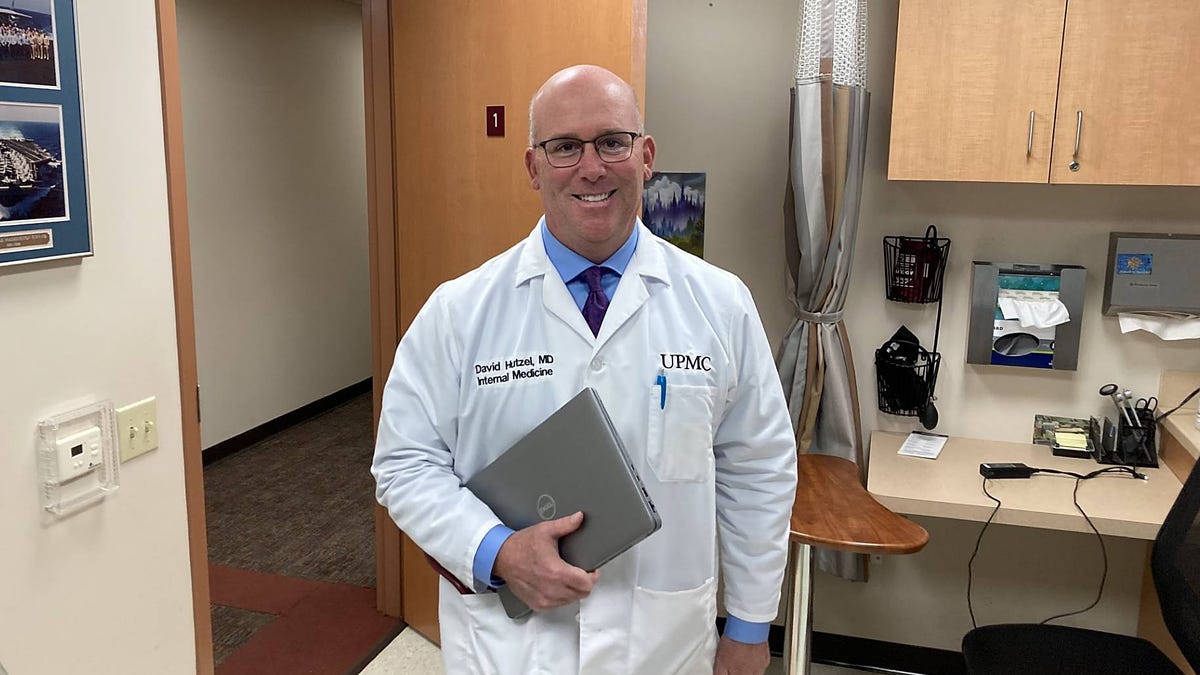
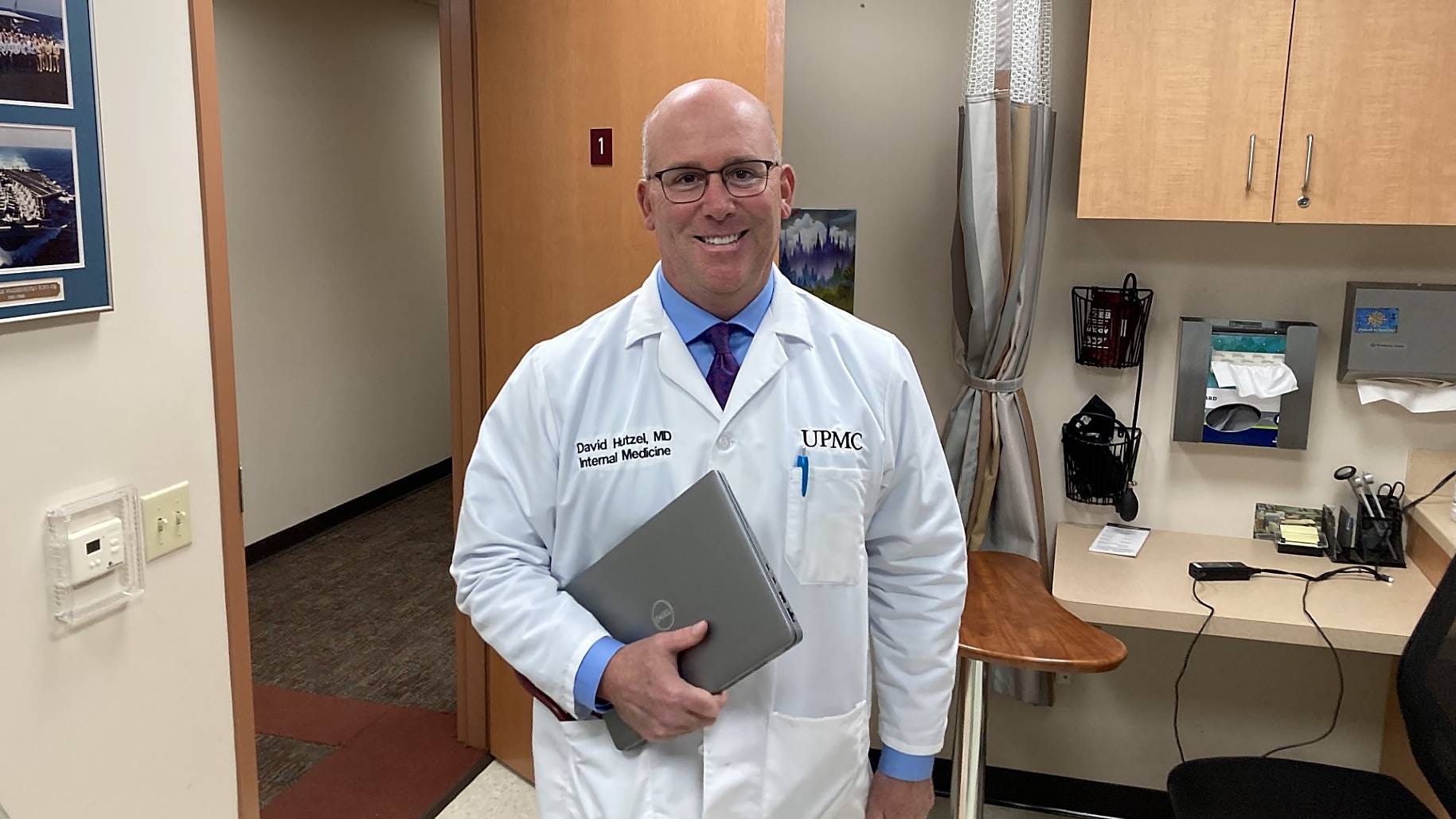
UPMC Hamot’s Dr. David Hutzel says more people should be taking statin drugs to reduce cholesterol.
A “zero defect” mentality and misinformation are causing some patients to refuse proven medications.Despite being available for decades, some medications for blood pressure, osteoporosis, and various viruses are refused by patients.
Dr. David Hutzel calls it the “zero defect” mentality, and it has made its way into his and many other primary-care offices.
It’s when a customer expects that anything they purchase will work flawlessly for long periods of time, without any issues. In the medical world, that includes surgeries, procedures and prescription drugs.
“Combine this ‘zero defect’ mentality plus numerous sources of misinformation (such as websites), and now we have created an environment of fear of tried and true medications,” said Hutzel, a physician with UPMC Hamot’s Greenfield Internal Medicine — West.
Hutzel pointed to five types of prescription drugs that offer significant, proven benefits but lately have been rejected by a growing number of patients. He cautioned that these are his own opinions and not necessarily those of UPMC.
Statins
Statins are a group of drugs that reduce the amount of cholesterol the liver manufactures and also reduce inflammation along blood vessel walls. They have been prescribed in the United States since 1987.
These drugs lower a person’s risk of death from heart attack and stroke by more than 50%, Hutzel said.
Still, some patients at risk of coronary artery disease refuse to take these medications. The most common reason Hutzel hears is a concern about muscle pain or stiffness.
“If someone tries a statin drug and they develop muscle pain, we can switch to a different statin and see if that helps,” Hutzel said. “I have had several at-risk patients decline to take a statin drug and then two, three years later suffer a massive stroke or heart attack.”
Antidepressants
These are a general class of medications used to treat depression, anxiety and several other mental-health disorders.
Hutzel said he sees one or two patients every week who would benefit from taking one of these medications, but many of them decline. They cite concerns about gaining weight or losing sexual desire, or say they simply don’t want the “stigma” of taking an antidepressant.
“The most common antidepressant medicine I prescribe is Lexipro and I would say, eight out of 10 patients respond beautifully to this drug with few or no side effects,” Hutzel said. “For those who don’t tolerate it well, that’s we schedule a follow-up appointments six-to-eight weeks later.”
Patients who take antidepressants need to realize the medications often take several weeks to work, Hutzel said.
“Give them a chance,” Hutzel said. “We have medications that can help you.”
Blood pressure medications
Like statins, medications to reduce blood pressure have been available for decades and used safely by millions of people worldwide.
There are eight different types of blood pressure drugs, according to the American Heart Association. They use different methods to lower blood pressure, which reduces your risk of heart attack, stroke, kidney disease, vision problems and even dementia.
“This is unusual in that almost all the pushback I receive on these drugs comes from men who are worried about getting erectile dysfunction,” Hutzel said.
While some types of blood pressure drugs, primarily diuretics and beta-blockers, can cause erectile dysfunction, other types have no such effect and can actually help sexual function.
“Actually, one of the biggest causes of ED is uncontrolled high blood pressure,” Hutzel said. “I have seen male patients get their blood pressure under control and their ED goes away.”
Osteoporosis drugs
For Hutzel and the other physicians at Greenfield Internal Medicine, the reluctance to take osteoporosis drugs is their biggest head scratcher.
These medications, primarily bisphosphonates, can prevent and treat bone loss that often occurs as people age. They are extremely well tolerated, Hutzel said.
“There is a rare side effect that occurs in only one in 20,000 cases, jaw osteonecrosis, where part of the jawbone dies,” Hutzel said. “I have had patients undergo a bone density test that shows they have a one in four chance of a bone fracture in the next few years, even some who already have had a fracture, and they refuse to take the medicine.”
The reluctance isn’t just due to fears about jaw osteonecrosis, Hutzel said, but more of an overall concern about side effects.
“There are other treatments for osteoporosis but they are more expensive and their chances of side effects are higher,” Hutzel said.
Vaccines
Hutzel said he has seen patients push back about several seasonal vaccines, including flu, pneumonia and COVID-19
This year, the difference between the demand for flu vaccine and COVID-19 vaccine this fall has been remarkable, Hutzel said.
“I’m surprised by the number of people this year who have asked for a flu shot,” Hutzel said. “We have gone through shipment after shipment. I don’t know why the demand has been so high this year.”
But few patients are asking to get a COVID-19 shot, though an updated version is available.
“It’s probably due to the vaccine becoming quasi-political in recent years,” Hutzel said. “But we are seeing COVID cases, though the illnesses are relatively milder than during the pandemic.”
Patients are also reluctant to get the two-shot series to reduce their chances of shingles, a painful viral infection caused by the reactivation of the chickenpox virus decades after the initial illness.
Nearly one in three people who had chickenpox will develop shingles at some point in their life if they don’t get vaccinated, according to the Centers for Disease Control and Prevention.
“Though most people recover completely, some develop chronic and lifelong debilitating pain,” Hutzel said.
Contact David Bruce at dbruce@gannett.com. Follow him on X @ETNBruce.