
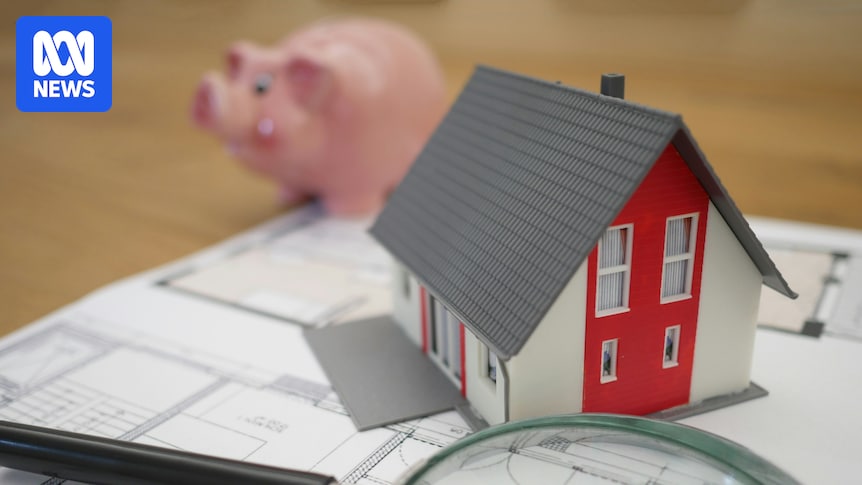
Buying a home is the biggest financial investment most people will make, and is seen by many as a major milestone on the road to adulthood.
But it’s a decision that requires extensive research and preparation before making a purchase.
“Buying a first home is exciting but can also be emotionally charged, and there are many important details both before and after the purchase that deserve attention,” financial advisor Stephanie Yeung says.
So how do you know if you’re ready to take on the big commitment?
Friends combine finances to buy dream home together
We asked three financial experts — Nicola Beswick, Natallia Smith and Stephanie Yeung — about the up-front and ongoing costs of buying a home and their top tips to prepare for home ownership.
Let’s get to it.
What are the up-front costs of buying?
The biggest hurdle to saving will be the deposit, which is often 20 per cent of the purchase price.
Listed house prices may not tell you the full story, though. In a competitive market, you may end up paying well above the advertised price, so that could blow out your budget from the get-go, Ms Smith says.
And if you haven’t accounted for added fees and charges, then you may want to read on.
Lenders Mortgage Insurance (if applicable)
Lenders Mortgage Insurance (LMI) is a one-off fee the bank charges when your deposit is less than 20 per cent of your home.
It’s designed to protect the bank when you fail to meet repayments.
You’ll pay between 1 and 5 per cent of your loan amount, depending on how much deposit you have.
It can often be added to your mortgage amount, rather than being paid up-front, but you will then pay interest on that amount too.
Stamp duty
Stamp duty, also known as transfer duty or land transfer duty, is the tax you pay on a property purchase.
The costs vary from state to state, ranging between 3 and 5 per cent of the value of the home.
Depending on where you live, you may be able to receive a concession or exemption when you buy your first home.
Conveyancing fees
You will usually need to hire a solicitor or conveyancer to walk you through the legal process, conduct title searches, and draft up documents such as a contract of sale and memorandum of transfer.
Costs range between $800 and $2,500, but can increase with the complexity of the sale.
Building and pest inspection
If you want to be confident in the quality and safety of the home you’re buying, you will need to pay for a building inspection.
The location and size of the space, as well as whether it’s a house or apartment, will determine how much you will pay.
Costs range anywhere between $250 and $1,000.
It’s important to note that a building inspection report generally does not include a cost estimate of any repairs required.
You can make your offer conditional on a building inspection being completed.
Keep in mind that if you’re buying at auction, your purchase is usually unconditional, so you may need to pay for an inspection before buying.
Lastly, you may also want to set aside some money for the fun stuff.
“Don’t forget other things like the new furniture, white ware, or other items you may want to add to your home,” Ms Beswick says.
“They are the best part of buying a place, especially when you want to make it your own!”

“Grants can make a world of difference if you are eligible for them,” Ms Beswick says.
Here are some schemes available on the market.
First Home Owner Grant (FHOG)Australian Government 5% Deposit SchemeFirst Home Super Saver Scheme (FHSS)Sweeping changes to the first home buyer scheme explained
The FHOG provides a one-time payment to those buying a new or extensively renovated home.
However, the grant amount varies from state to state, and the value of the property must not exceed the stipulated cap.
“The Australian Government 5% Deposit Scheme allows first home buyers to, as the name suggests, pay only a 5 per cent deposit on their first home while avoiding LMI,” Ms Beswick explains.
The First Home Super Saver Scheme allows you to save for a home deposit through superannuation, where tax rates are generally capped.
States may also offer other schemes where the government can own a percentage of your home, so it helps to check local sites.
“That way you can get into the market and buy your own place with a bit of help from the government,” Ms Smith says.
What are some ongoing costs to consider?
Loan repayments on your mortgage may be the biggest line item in your budget.
Whether they are taken out at a variable or fixed interest rate can affect how much you pay, though both have pros and cons.
“Locking a fixed rate gives you certainty where you’ll know [for example] for five years you’ll be paying the same amount of money,” Ms Smith says.
But the challenge sets in when you come off a fixed-rate term and experience a hike.
“It’s really good to fix the rates when they are low but there’s no real advantage to fix them when they are high,” Ms Smith says.

Variable rates are subject to fluctuations in the cash rate in Australia.
For borrowers on a variable rate, Ms Smith advises: “Always check what your rate is because sometimes the banks are not very good at passing [cuts] on to consumers.”
When that happens, she says to call the bank to ask for a reduction.
But there are also plenty of costs that go beyond mortgages, Ms Beswick says.
Here’s what you should account for.
Home and contents insurance
Home and contents insurance protects your property and belongings against unfortunate events like theft and wild weather.
What is covered will depend on your policy.
While various factors determine how much you pay, premiums may be higher if your area is at a greater risk of natural disasters or crime.
A higher excess will lower your premiums but increase your out-of-pocket expenses.
Council rates
Council rates are a type of tax that pays for local government services and infrastructure projects.
This includes the building and maintenance of public spaces, such as libraries and parks, roads and waste management.
The value of your property, which gets reviewed every two years, is a key factor in determining how much you pay.
Strata fees (if applicable)
Strata fees, also known as body corporate fees, only apply to apartment owners.
These fees are paid into a joint fund to finance repairs and maintenance on the entire property.
According to Ms Smith, payments can go as high as $10,000 to $15,000 a year.
This amount also increases every year, in line with inflation.
Utilities
This includes all household running costs such as water, gas, power and internet.
However, some states offer concessions and rebates for energy bills, so it’s worth researching options in your area.
Maintenance and repairs
Maintenance is a cost that Ms Beswick says people often account for the least and can be difficult to predict.
“Preparing for breakdown of appliances and upkeep of your garden and building is necessary to consider,” she says.
You may find there are more repairs in the first year, Ms Smith says.
“Sometimes when you buy something you don’t really know what the place looks like and what needs to be fixed until you start living in it,” she says.
Personal insurance
Having personal cover, like life insurance, can help you and your family pay the mortgage in tragic circumstances.
“People often insure their belongings but forget their most important asset, the ability to earn an income,” Ms Yeung says.
“Personal insurance options, such as income protection, total and permanent disability cover, trauma or critical illness cover, and life insurance, can work separately and/or together to provide financial support if unexpected illness, injury, or accidents occur.”
How to know if you are financially ready to own a home
While experts have slightly different answers, they all echo the same idea.
Understanding your cash flow and how much savings you have are important factors.
“You’re on the right track if you can cover a deposit and initial costs without depleting your non-home deposit savings,” Ms Beswick says.
“Always expect the unexpected … as a slight mishap, such as a broken air conditioner or a leaking pipe, can throw your budget out for the month.”
She recommends spending no more than 35 per cent of your income on mortgage repayments, insurance, rates and fees.
That should give you enough leeway to build on your emergency savings buffer while paying for other living expenses comfortably.

Ms Yeung notes that some people check affordability by stress testing, for example, adding 2 to 3 per cent to the current interest rate to see how higher repayments would impact the budget.
“You need to have a savings buffer that goes beyond living from pay cheque to pay cheque,” she says.
Having at least six months’ worth of income in savings is ideal, adds Ms Smith.
“It’s important not to spend more than you earn,” she says, and the same goes when purchasing your own home, as she warns home owners not to overextend their budget.
Ms Yeung agrees and sees this as a potential financial pitfall.
“Banks might, based on current circumstances, give people a much higher loan than what they need,” she says.
“So people are borrowing to the limit of what they can borrow rather than what they can afford — and those are two very different things.”House-sitting saved me enough to buy my own home
While being clear on home ownership costs can help, it’s also important to understand how life plans can impact the budget.
“If a working couple plans to have a family and one of them decides to take time off [for caretaking duties], then there is actually a change in your income circumstance,” Ms Yeung says.
Lastly, she warns not to cave in to emotions when making a purchase, such as the fear of missing out.
Here is her advice for first home owners.
“There’s no need to rush. Understanding the numbers before making a major financial commitment is important because managing repayments over time is critical,” Ms Yeung says.
Your first home doesn’t have to be a dream home. Financial security often comes from reducing debt and eventually paying off your mortgage.”
Note: This information is of a general nature and does not consider your personal circumstances. Please seek professional advice before acting.
Loading…