
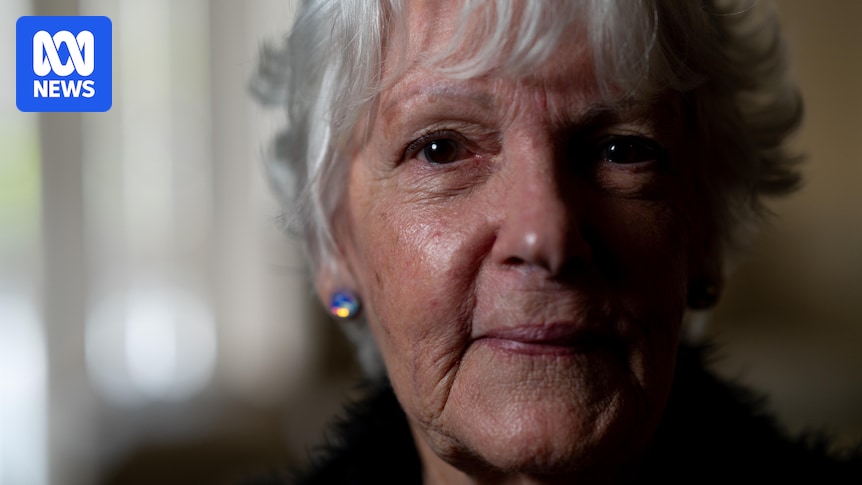
Warning: This story contains details some readers may find distressing.
Jo Forrest was 18 years old when she fell pregnant, in Adelaide in 1964.
“I had to be hidden away from people,” she said.
“Mum and dad never actually called me a bad girl, but there was always this shame … so I was an outcast.
“I’ve never been a bad girl. I made one mistake.”
More than 60 years on, the now 80-year-old remembers her father taking her to the Queen Victoria Maternity Hospital.
“And then of course, you get left there and you’re young, you never experienced anything like this,” she said.
“I was physically held down with a pillow over my head and I had no idea whether I gave birth to a baby girl or a baby boy.
“It was ripped away from me and I never saw that baby.”
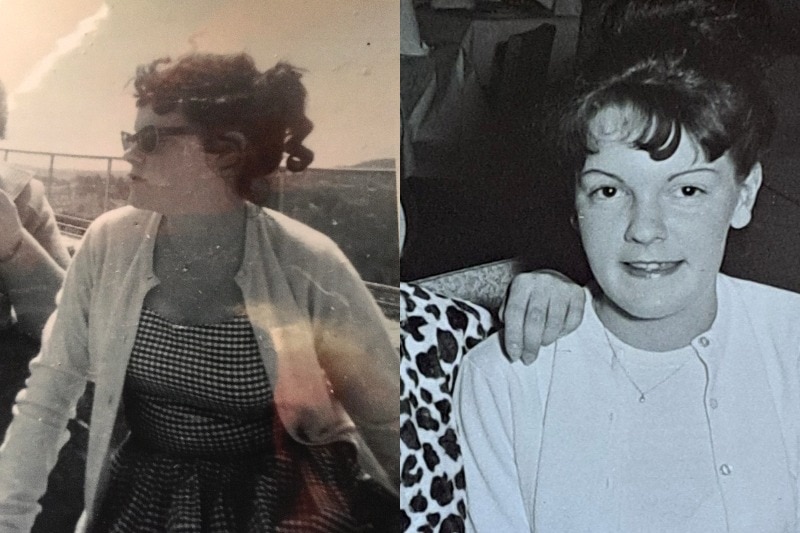
Jo Forrest was 18 years old when gave birth to her child in 1964. (Supplied)
Ms Forrest said she was injected with an anti-lactation drug shortly after birth, which has since been connected to gynaecological cancers.
“Unfortunately I got put into a room with mothers and babies because they’d run out of room in their wards for the ‘bad girls’,” she said.
“It was horrendous… I’ve just given birth. I don’t know where my baby is. I don’t even know what my baby is.”
It would be years until she found out she gave birth to a baby boy.
Forced adoption era
Ms Forrest is one of thousands of women whose babies were taken in Australia’s forced adoption era, when young and unwed mothers were routinely shamed and coerced into surrendering their children.
It is estimated as many as 250,000 Australians were affected by the practices, with most adoptions occurring between 1950 and 1975.
Ms Forrest says she was physically held down while giving birth. (ABC News: Che Chorley)
“There was a talk of adoption, that your baby may need to be adopted, but you didn’t make that decision,” Ms Forrest said.
“You were given papers to sign, and that was it.”
In 2012, South Australia’s then premier Jay Weatherill made a formal apology to those affected by forced adoption practices.
A year later, hundreds of people gathered at Parliament House to hear then prime minister Julia Gillard offer the same apology on behalf of the nation.
Kathy Maczkowiak was in the crowd that day.
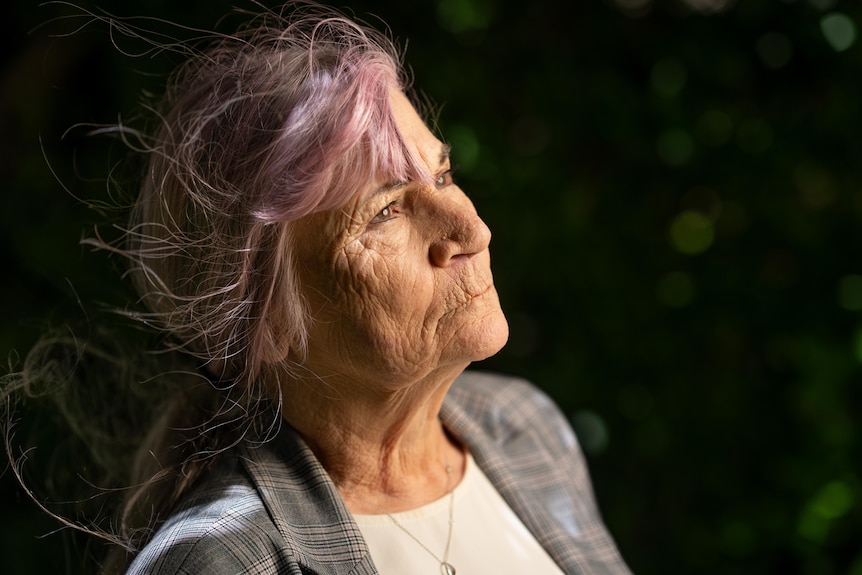
Kathy Maczkowiak’s daughter was taken away before she even saw her face. (ABC News: Che Chorley)
Aged 17 years old, her baby was forcibly removed at birth in a Perth hospital in 1965.
“The minute she was born they cut the cord immediately and took her out,” she said.
“I only saw the back of her head.
“I was left with the doctor. The doctor who sexually assaulted me after that.”
Ms Maczkowiak described her treatment by medical staff as “inhumane”.
“I don’t remember a whole lot in there, and yet everyone that knows me knows I’ve got a really, really good memory,” she said.
“I believe I was probably drugged.”
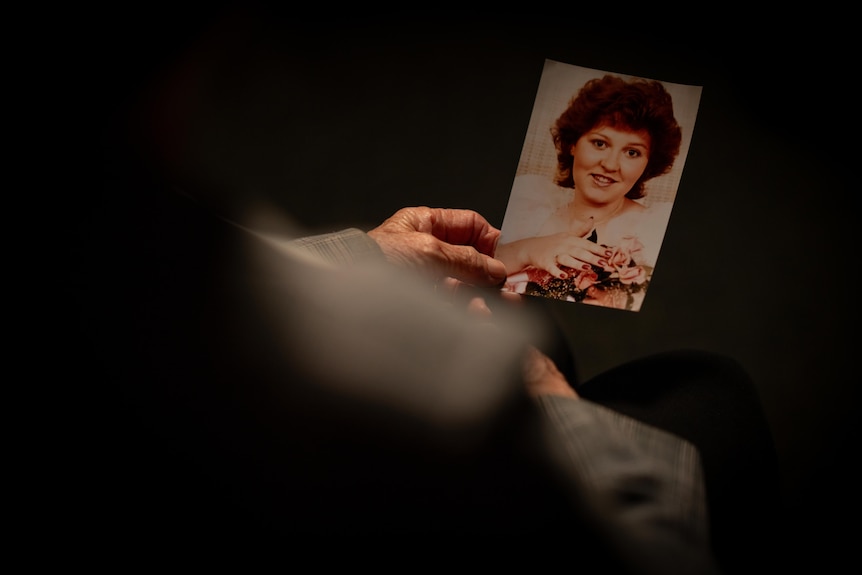
Kathy’s daughter sent her a photograph from her wedding day — the first time she’d seen Anne’s face. (ABC News: Che Chorley)
More than two decades later, Ms Maczkowiak received contact from her daughter, Anne, through the child welfare department.
She saw Anne’s face for the first time when she was sent a photograph from her wedding day, with the pair eventually meeting in person in 1989.
“We see each other every three months, we made a vow to do that because, if you’re apart for too long, you grow apart,” she said.
“You can never get back what you lost.”
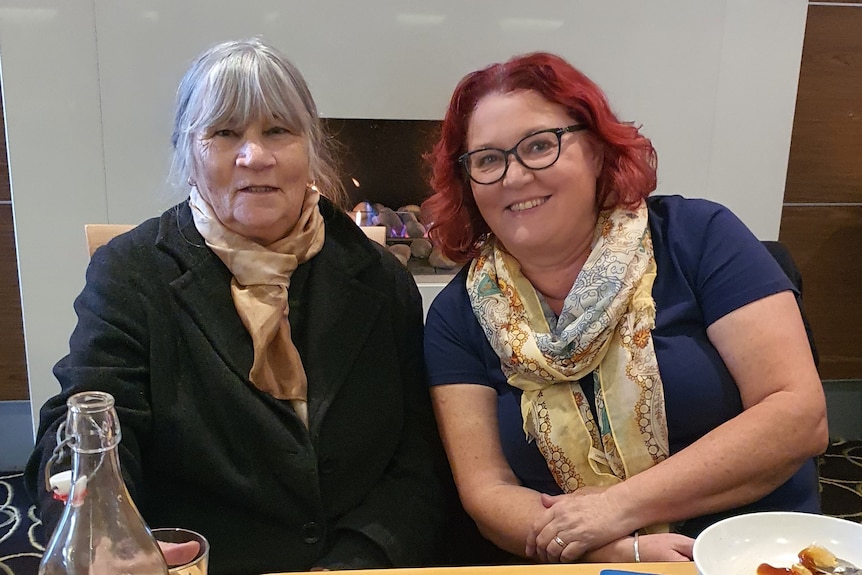
Kathy and her daughter now see each other every three months. (Supplied: Anne Haylock)
Calls for recognition
Last year, Victoria became the first state to launch a redress scheme, offering a one-off payment of $30,000, access to counselling and psychological support, and an individual apology process to women who were separated from their infants at birth.
In October, the Tasmania government announced it also plans to provide compensation, and is currently undertaking consultation with mothers impacted by forced adoption.
The initiative was a recommendation from a national 2012 senate inquiry.
Ms Maczkowiak said while compensation could never erase her pain, she wanted to see the South Australian government provide greater recognition of the lifelong consequences of the past practices on mothers and adoptees.
“It doesn’t matter what sort of a monetary you could put on losing your child. Nothing will ever cover that,” she said.
“But maybe you know, just some validation of what really happened, and sorry.”
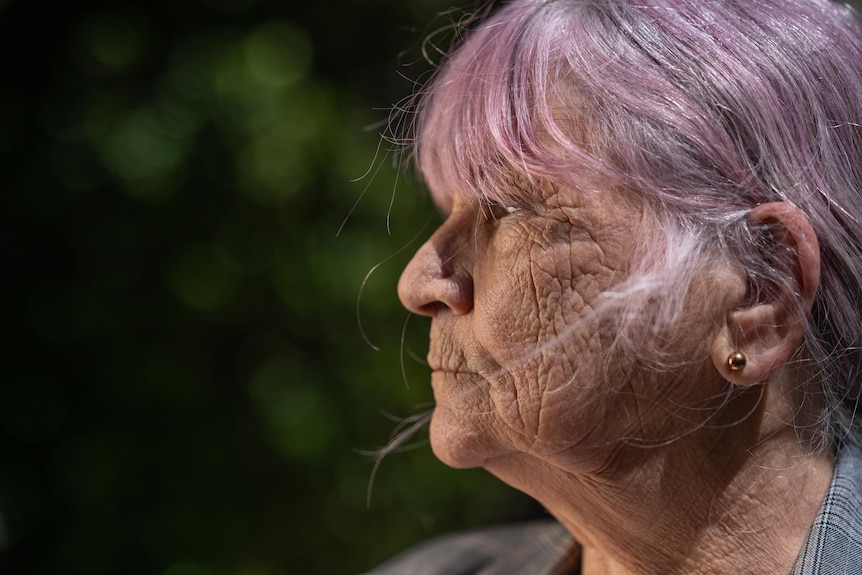
Ms Maczkowiak wants the government to provide greater recognition. (ABC News: Che Chorley)
‘They deserve justice’
It is something Greens MLC Robert Simms has recently called for in state parliament.
He grew up learning about the issue first-hand from his mother, who lost her first child through forced adoption in the 1970s at Adelaide’s Kate Cocks Memorial Babies Home.
“Obviously the experience for my mum was very traumatic as it was for so many women and the consequences of that are lifelong,” Mr Simms said.
“Feedback I’ve heard and from my mum is that there is now a real movement for a redress scheme, and I think a lot of these women would like to see the government show the same leadership that we’re seeing over in Victoria and Tasmania.
“Particularly now that a lot of these women are in their 70s and 80s, really it’s time for them to see some justice.”
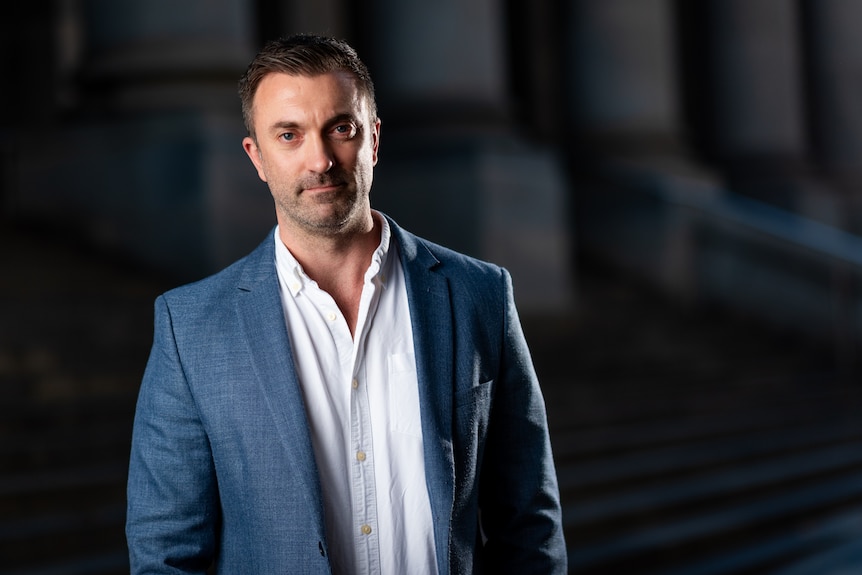
Robert Simms is calling on the SA government to establish a forced adoption redress scheme. (ABC News: Che Chorley)
In a statement, a state government spokesperson said it remains committed to supporting those affected by past adoption practices, by ensuring access to appropriate, trauma-informed services such as Relationships Australia SA.
They declined to say whether the government would commit to a redress scheme in the future.
“The Department for Child Protection also assists individuals who were involved in an adoption, or relatives seeking adoption records,” the spokesperson said.
“Through its Freedom of Information team, the department can authorise the Registrar of Births, Deaths and Marriages to issue a pre-adoption birth certificate for a natural parent or child.”
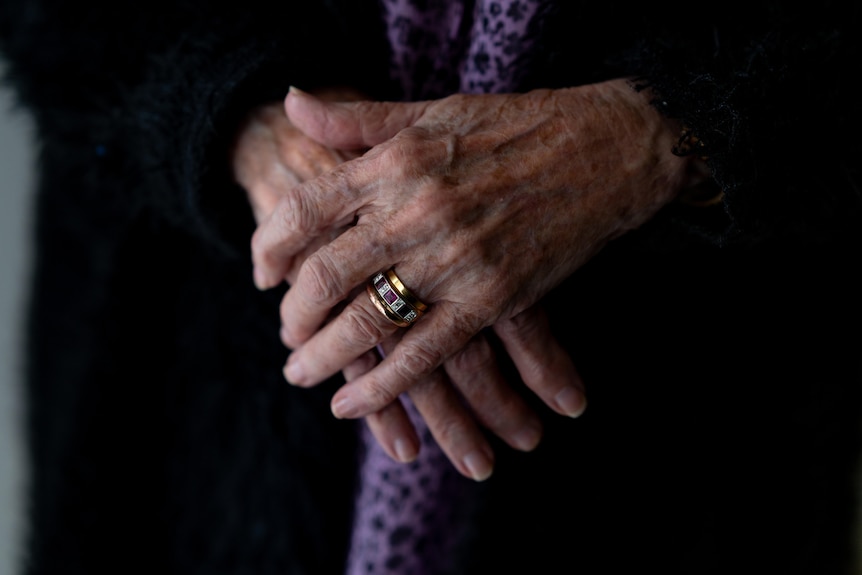
The SA government declined to say whether it would commit to a redress scheme. (ABC News: Che Chorley)
‘I still have hope’
For Ms Forrest, the most important thing is having her experience, and the experiences of other survivors, heard.
“For people to stop and realise that there’s many girls that have been dreadfully hurt and damaged,” she said.
“If it [a redress scheme] did come to fruition, and I could work out where my records ended up, I probably would think ‘well, at least somebody cared’.
“But it doesn’t take away the the pain.
“You don’t have a baby ripped out of you and forget it.”
Eleven years ago, Ms Forrest managed to connect with a group of other women impacted by forced adoption, including Ms Maczkowiak.
In that time, she said she had only missed three meetings.
“That’s given me a whole new lease of life,” she said.
“We’ve all got these horror stories, some worse than others, and it’s like a bonding thing.”
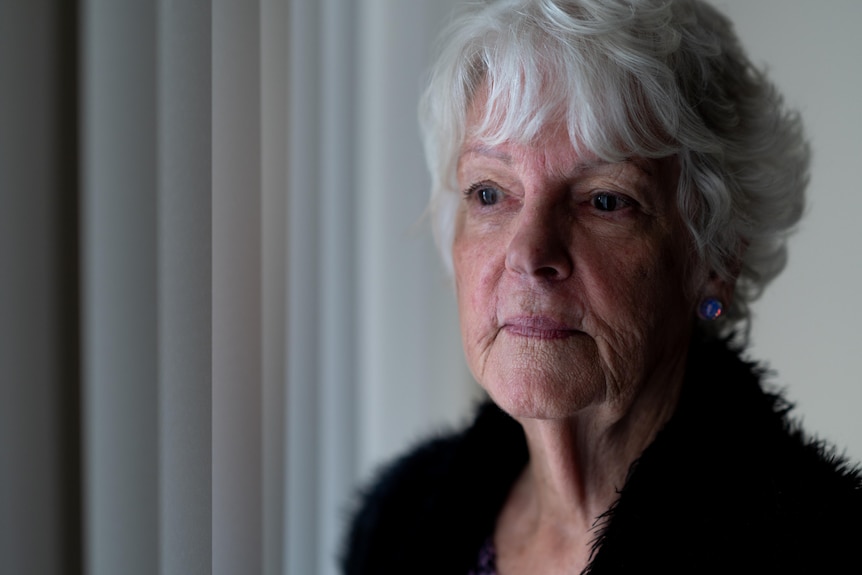
Ms Forrest says finding a support group of other women has been the best therapy. (ABC News: Che Chorley)
Over recent years, Ms Forrest has dealt with physical health complications such as a total bladder removal due to cancer, as well as a heart attack diagnosed as takotsubo cardiomyopathy — also known as broken heart syndrome.
Despite numerous attempts, she has never met her son.
“And so you kind of come to an end,” she said.
“But I still have hope there.”