

Pianist Sarah Milnes thinks there are good reasons why kids should learn how to play an instrument.
Most obviously, she says, it helps them unlock the joys of music.
There are proven links between music education and cognitive development — from language and memory to reading and maths.
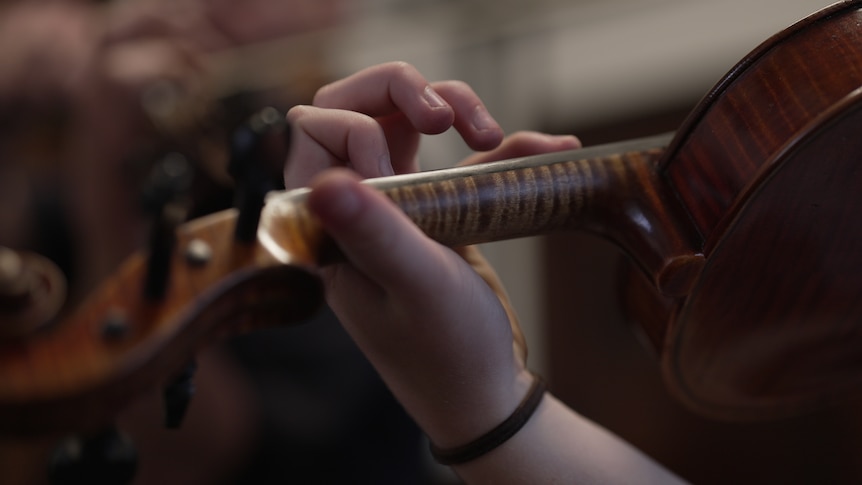
But, simply, Ms Milnes believes learning how to play an instrument makes children better people.
“Music gives you a lot of grounding,” Ms Milnes says.
“I think it’s a skill that you can carry through your life.”A golden crown slipping?
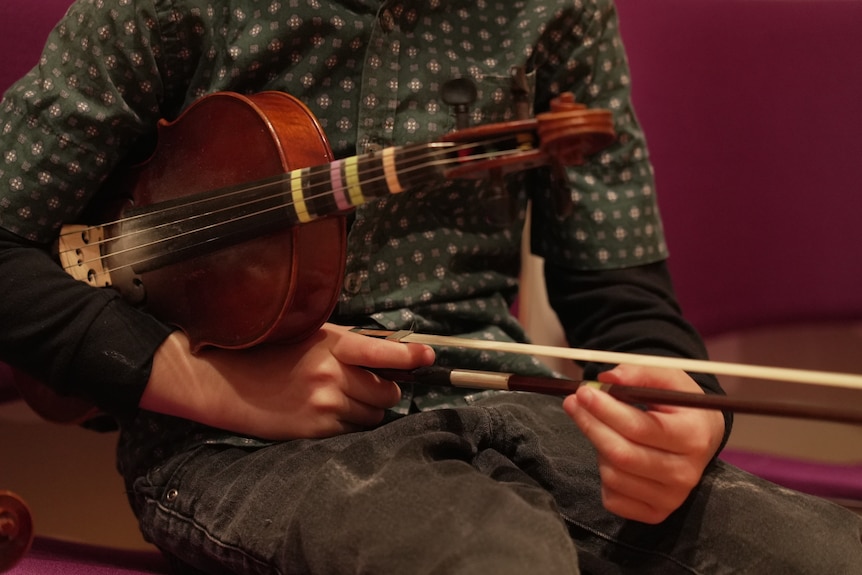
It’s for those reasons Ms Milnes enrolled her daughter, Evelyn, in violin classes a few years ago.
The family lives in the farming town of Mount Barker, about 360 kilometres south of Perth, and travels to the port city of Albany, 50km away, for Evelyn’s lessons.
“There is a bit of a finger in the back in terms of getting her to practise for now,” Ms Milnes jokes.
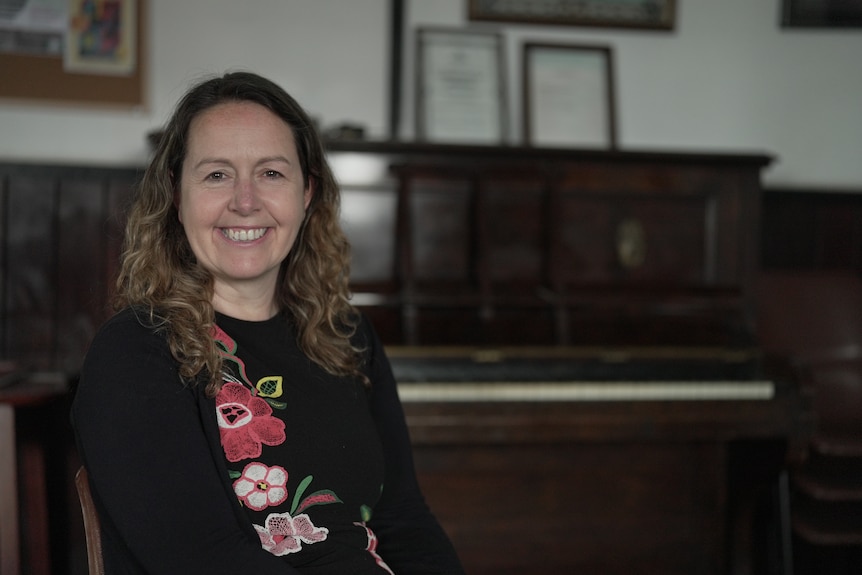
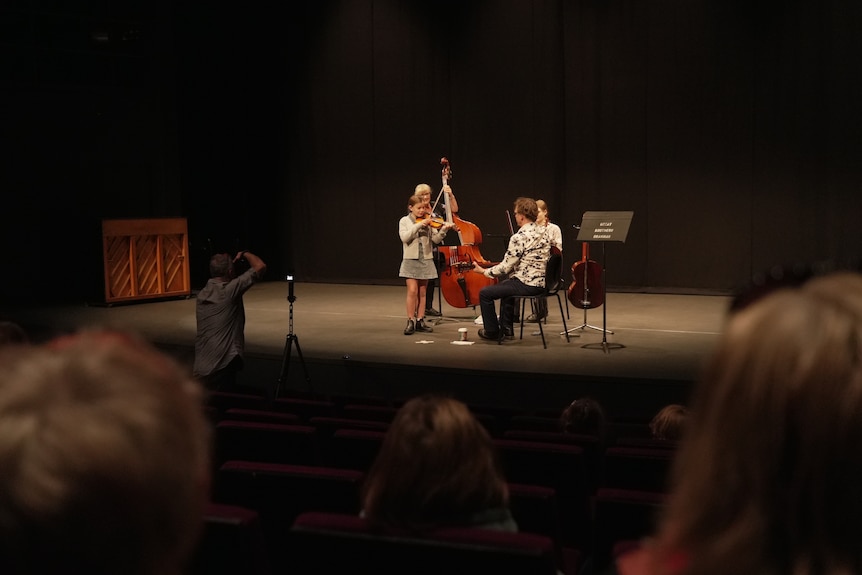
They live in a region with a nationally recognised string instrument program, with more than 350 students learning the violin, viola or cello.
Evelyn, Ms Milnes says, is “learning very well”.
So well that she is being assessed by a body called the Australian Music Examination Board (AMEB), considered to be the gold standard of music testing across the country.
But Ms Milnes worries its standards are eroding.
“The standard that the AMEB has always upheld itself to be, and I’ve always had faith in … is slipping,” she says.
“I think that if those standards are not upheld, then what’s the point of doing these big exams that involve preparing for hours and hours?”
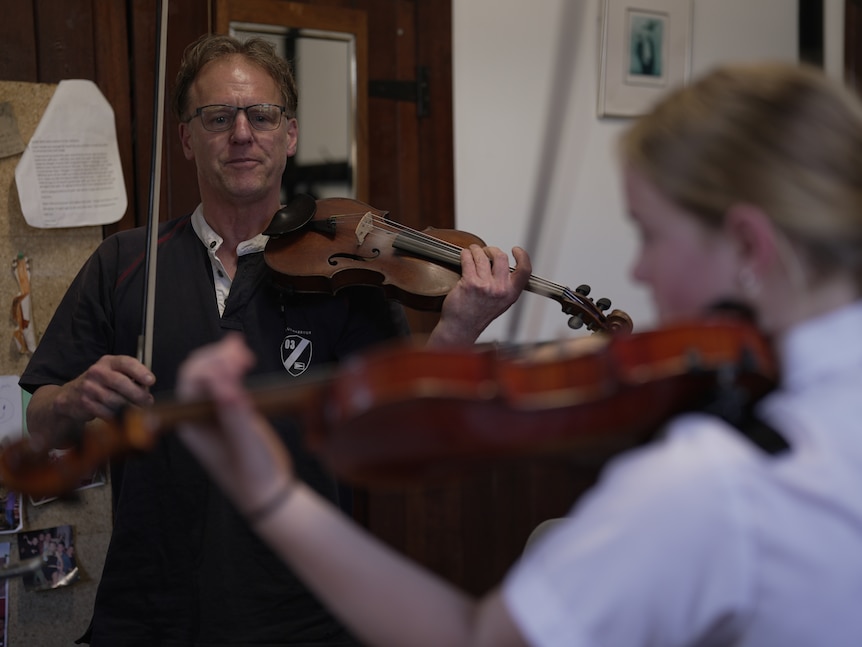
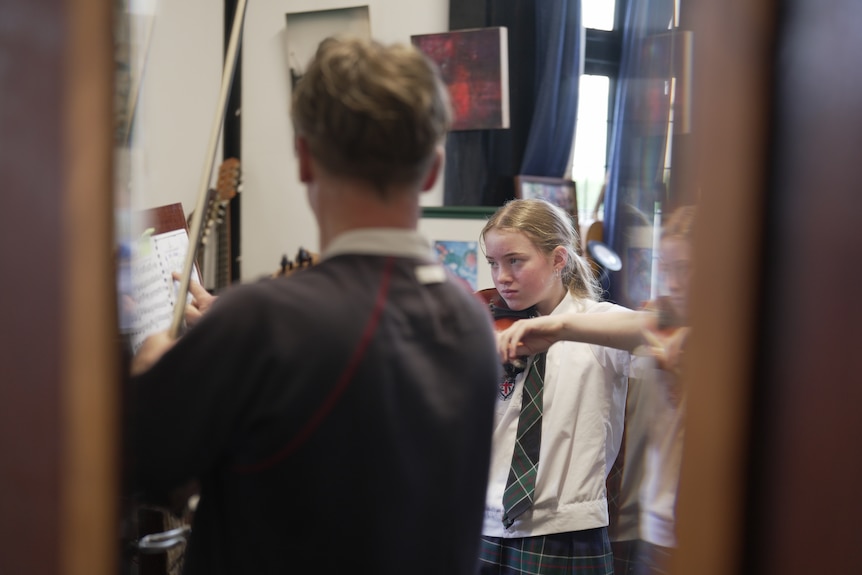
At the heart of such concerns are what parents like Ms Milnes and some music teachers say is a growing divide between city and regional students.
Mike Hyder is a music tutor in Albany, where he has specialised in teaching students string instruments such as the violin for three decades.

Mr Hyder claims the AMEB has been sending general examiners from Perth to assess high-level students who require a very specialised treatment.
Mr Hyder says it’s not unusual for the AMEB to send generalist examiners to assess students sitting its exams, but he argues it’s typically only been done for beginner and lower grades.
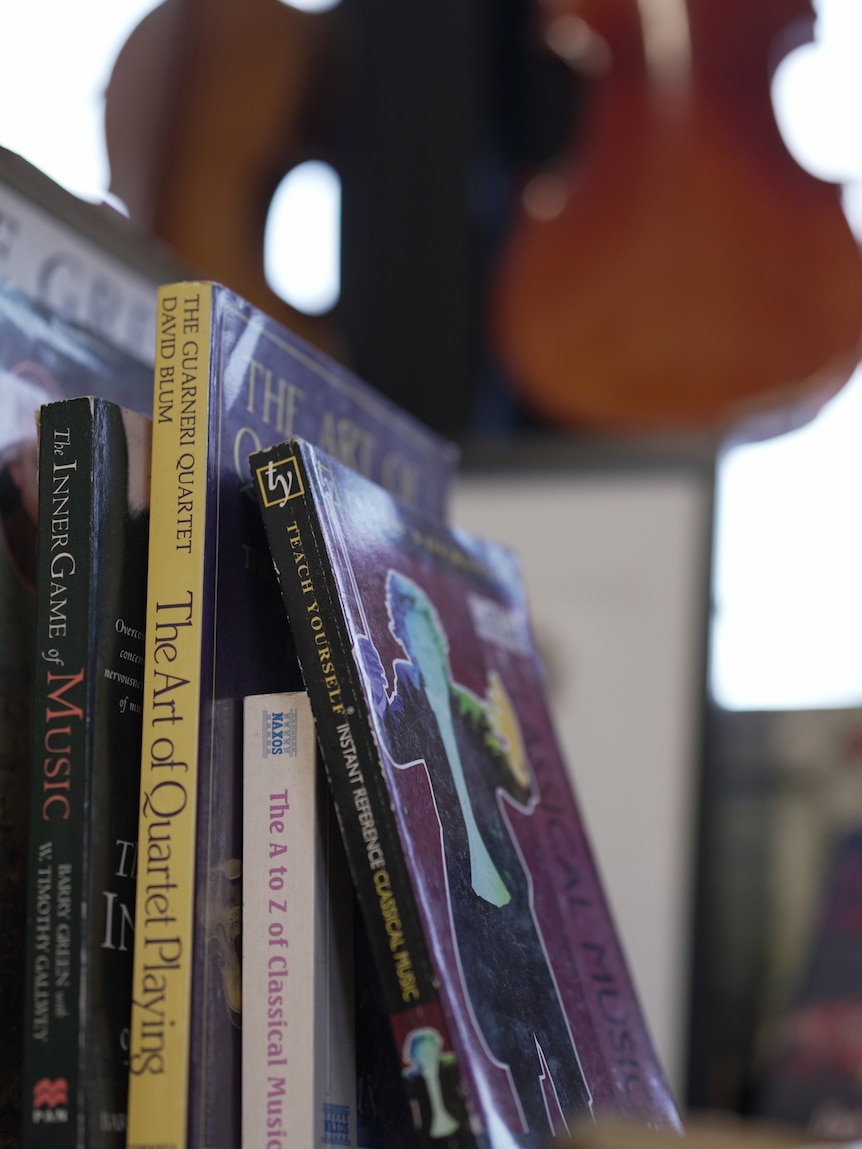
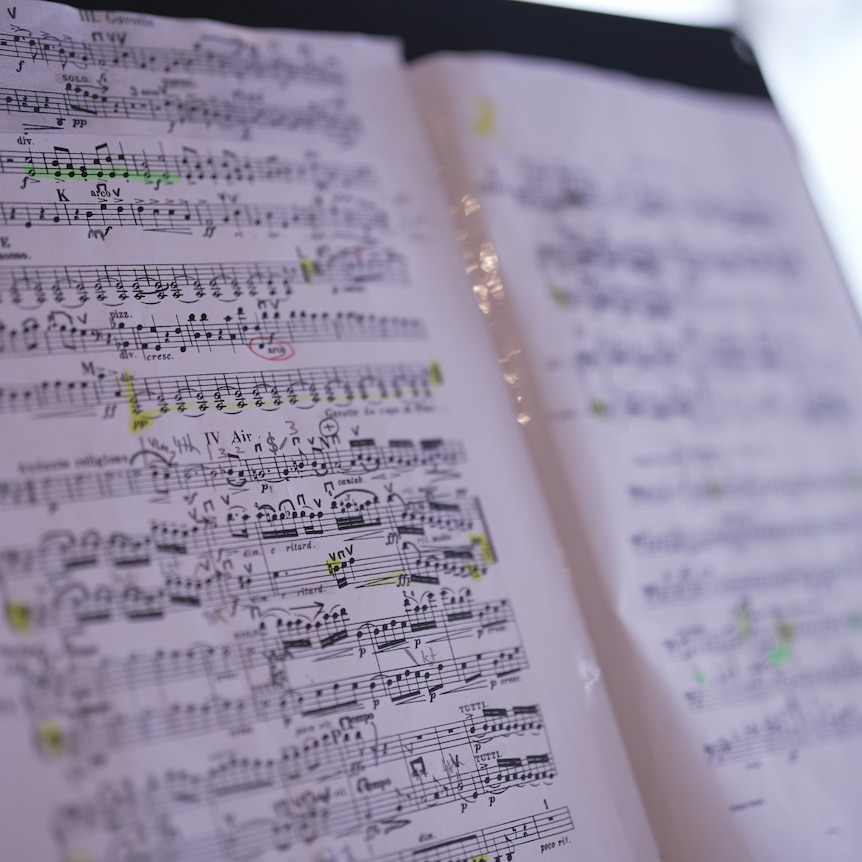
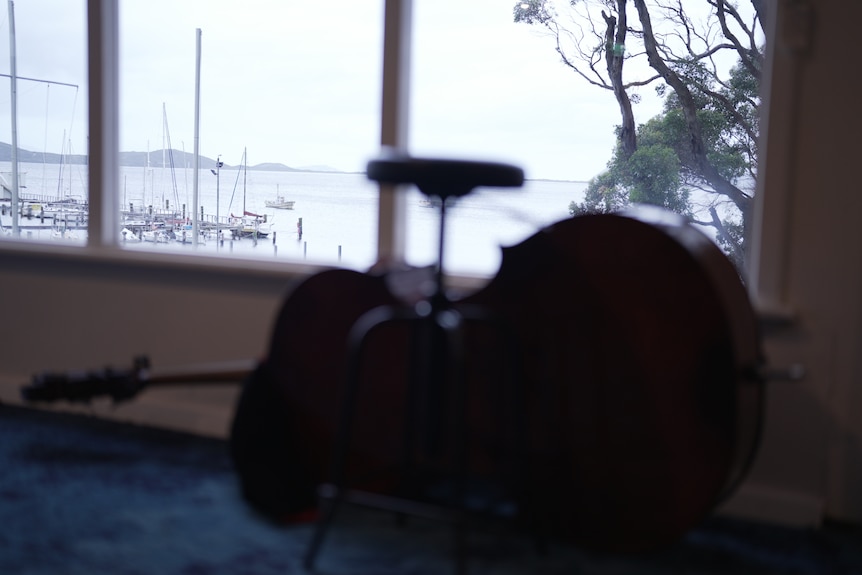
A generalist examiner, he notes, may not even be able to play the instrument they are supposed to be assessing.
“We all say our instrument is the hardest instrument,” Mr Hyder says.
“But unless you are a player, you really cannot understand what it takes to play at a high level on the violin.”
Mr Hyder is particularly aggrieved at the use of a generalist to examine some of his own students, something which he says has rocked their confidence.
He now wants a reassessment of their marks.
Mr Hyder says regional students still have to pay the full cost of an exam even though they might not get a specialist assessor.
And he says those costs are not immaterial to many families — amounting to almost $200 for a seventh-grade exam.
“It concerns me that there may be a double standard here,” he says.
Music board defiant
Gaby Gunders, the chief examiner for the AMEB in Western Australia, disputes any suggestion that generalist examiners are not up to the task of assessing students at higher levels.
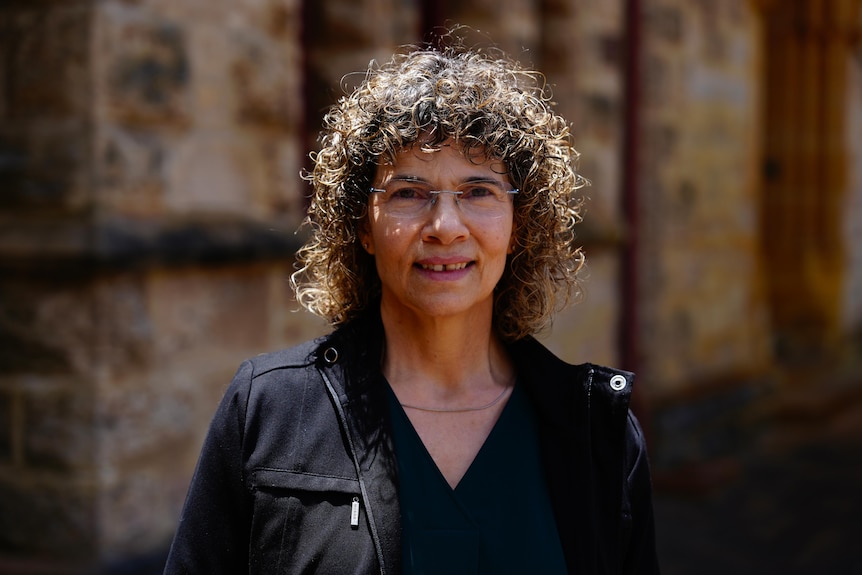
She argues generalist examiners are often among the board’s most capable operators who have had more extensive training.
“[Being] a generalist doesn’t make them lesser,” Dr Gunders says.
According to Dr Gunders, the board conducts about 5,000 exams in WA every year, and is the only branch of the organisation to send examiners to regional areas.
She says the AMEB has to weigh various factors, such as the number of students in each instrumental category, when deciding which examiner to send to a regional town.
“The only people that we would choose for that pool of regional exams are people who have got a cross-instrument experience,” she explains.
“Then they go through our cross-instrument training beyond that.”
Ultimately, however, Dr Gunders says the AMEB is limited in the services it can provide because sending multiple specialists to a regional town would cost too much money.
“If we had to send three examiners, that would regrettably be the end of our examining in that region, because we couldn’t do it,” she says.
“There’s no way that we could afford, as an organisation, to run and afford to send three examiners for a session because there are those higher grades.”A question of faith
Mr Hyder acknowledges the board faces practical constraints but argues it could do more to support higher-grade students in the regions.
He says the AMEB process is rightly held to be one of the most rigorous in the world.
Mr Hyder says good marks in the AMEB exams can be the difference between a student gaining entry into tertiary music education — and a possible career in the field — or not.
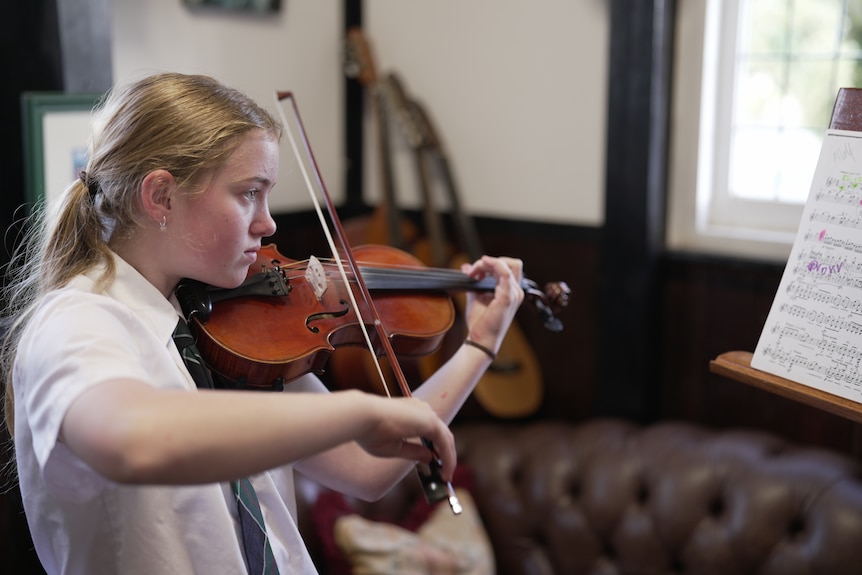
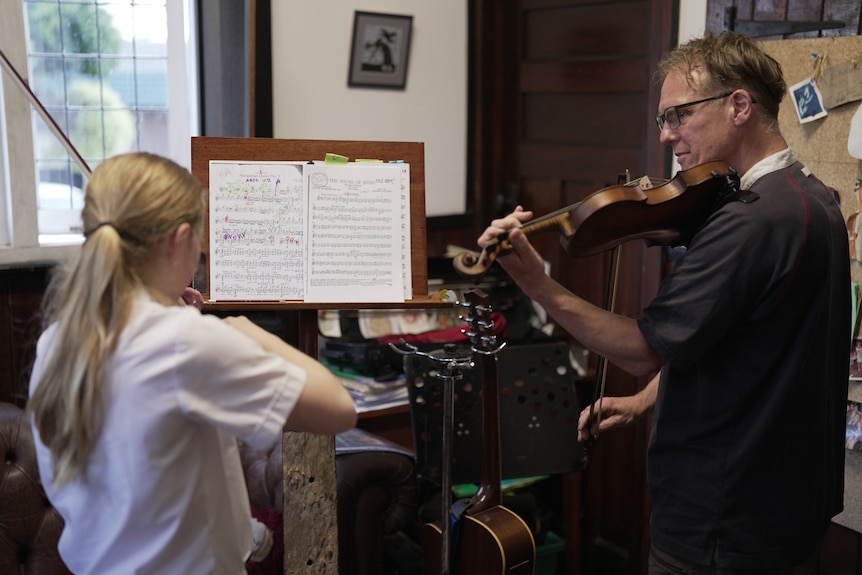

“It’s a very hard exam, but the kids really prosper if they do well in an AMEB exam,” Mr Hyder says.
Ms Milnes, whose daughter Evelyn recently sat the AMEB’s second-grade exam, agrees.
She wants her daughter to follow the path laid out by the board to achieve excellence in her instrument and all of the benefits of a lifetime of music.
In order for that goal to endure, however, Ms Milnes says their faith in the AMEB cannot be broken.
“I think that is the most important part,” Ms Milnes says.
“That you feel as though you can trust what the examination procedure is like.”