
For the longest time, I purchased Pixel phones for their excellent cameras and the clean Pixel UI.
Despite no major hardware upgrades in recent years, the Google Pixel 10 lineup is widely considered to have some of the best Android camera systems around.
However, I’ve realized that you should not be buying Pixel phones for their camera hardware — you’re missing the real story then. The Pixel’s best hardware feature isn’t the camera; it’s on-device AI.
Pixel cameras are impressive
But they are not the real stars
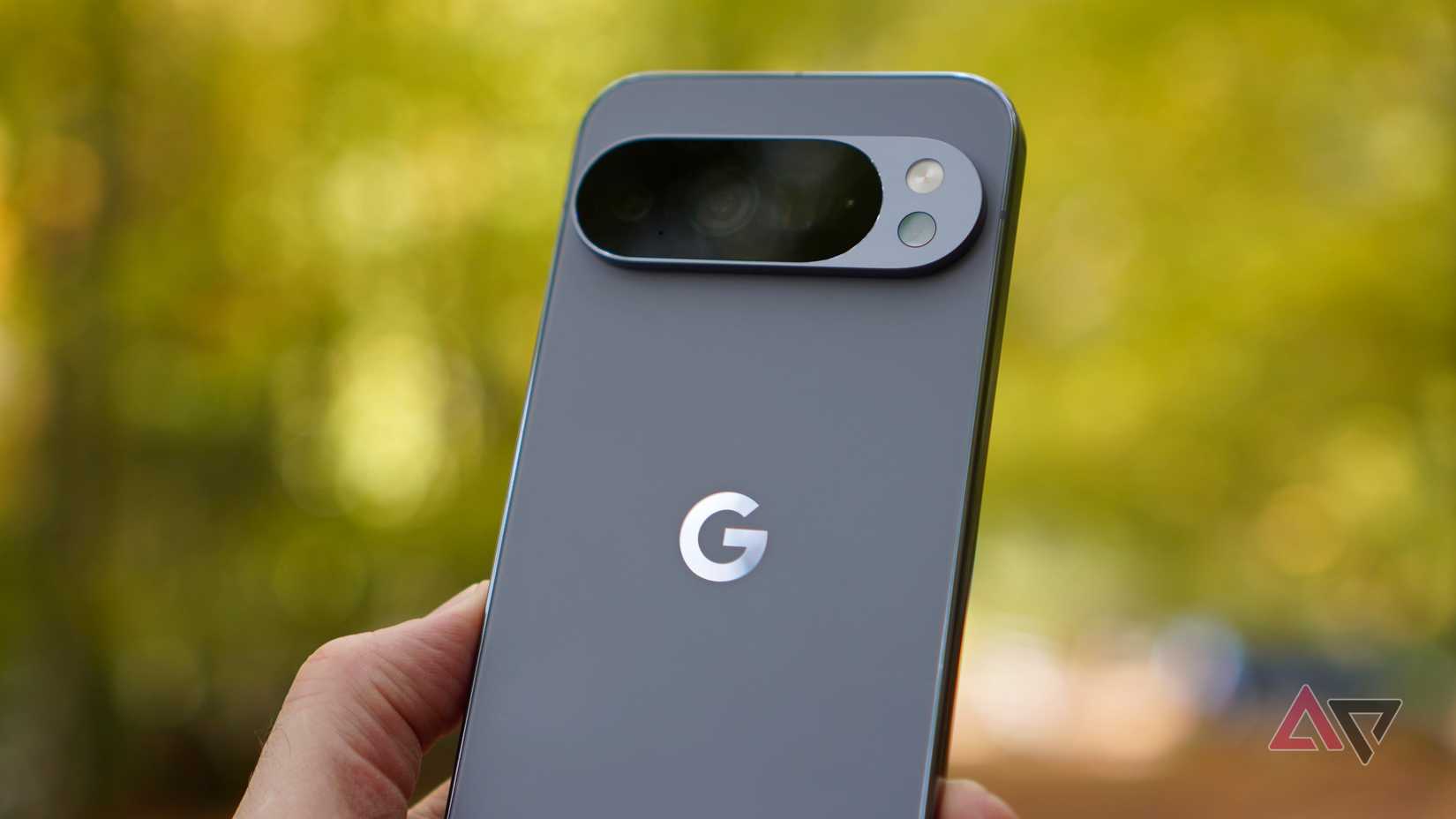
Google last gave its Pixel lineup a major camera overhaul with the 2021 Pixel 6. The switch to a bigger and higher-resolution 50MP primary sensor led to noticeable improvement in picture quality.
Since then, the company has made modest but still important upgrades to the camera system, including adding a 5x telephoto shooter for greater flexibility.
While there are plenty of Android phones with great cameras, Pixels are among the few to offer a reliable imaging experience.
With a Pixel, you know that pressing the shutter button will get you a great picture, irrespective of the lighting, situation, and subject. That’s not something you can say for most other Android phone cameras.
I always thought that the cameras were the real highlights of the Pixel phones; the reason to buy them over other Android phones, despite the inferior Tensor chipset.
However, after spending a couple of years away from the Pixel lineup, my perspective has changed. I’ve been using a Chinese Ultra-flagship with a 1-inch sensor and a 200MP telephoto camera — it trumps the Pixel’s cameras hands down.
It also made me realize something surprising: the Pixel’s best hardware feature isn’t its cameras at all. It’s its on-device AI processing.
What even is on-device AI processing?
And why it matters more than ever
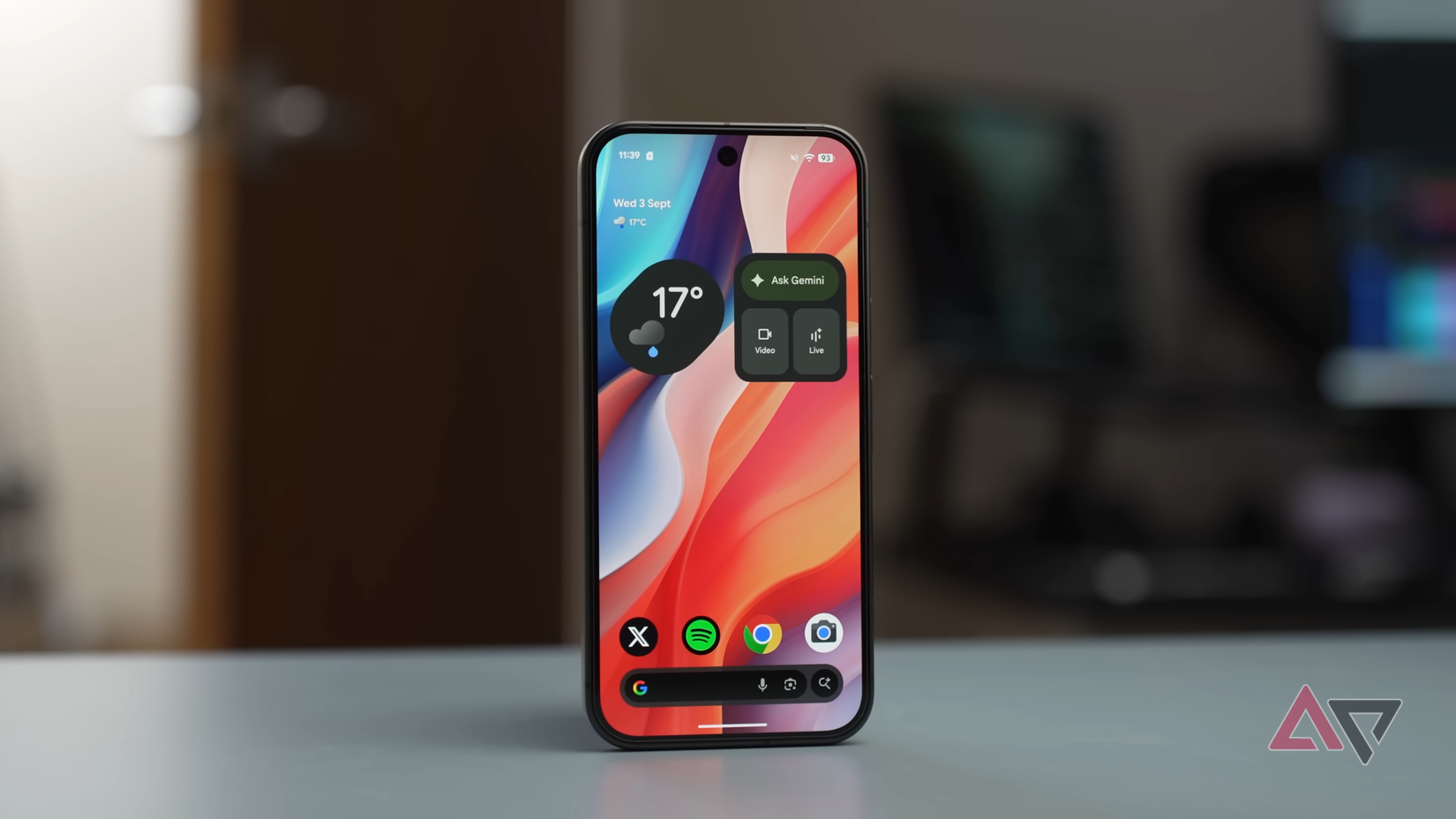
Like other Android phones, Pixels also come with several AI and ML-powered features. Most Android phones send your prompts and data to the cloud for processing.
Google takes a different approach with Pixels, leveraging its deep Tensor integration. It processes many of the AI features on-device. Gboard’s voice typing is the perfect example. On Pixels, it works almost instantly, turning speech into text so smoothly that it feels like magic.
As if that’s not already enough, on Pixel 9 and newer devices, Gboard supports advanced voice typing. So, you can use your voice commands to insert emoji and “delete” or “clear” text.
Voice typing on the Pixels is also smart enough to add punctuation automatically. And when you’re finished, tell Gboard to send the message, and it will handle the rest.
You really need to experience voice typing on a Pixel phone to understand how magical and convenient it feels to use in daily use.
It’s not just superior voice typing. Pixel 9 and newer also use on-device AI processing for Call Notes. This AI feature automatically transcribes your call and can generate summaries containing important points and the next steps you need to take.
Gemini Nano powers Call Notes, and it works on the Pixel because of on-device AI processing. Real-time transcription requires on-device processing; otherwise, your calls would have to be sent to the cloud. That raises privacy concerns and also adds latency.
Pixel’s Recorder app also takes advantage of on-device AI processing to deliver an unrivaled experience. It transcribes text in almost real-time, with speaker detection and automated labels only making things easier.
It’s another example of an on-device AI feature on the Pixel that, when you get used to it, feels impossible to give up.
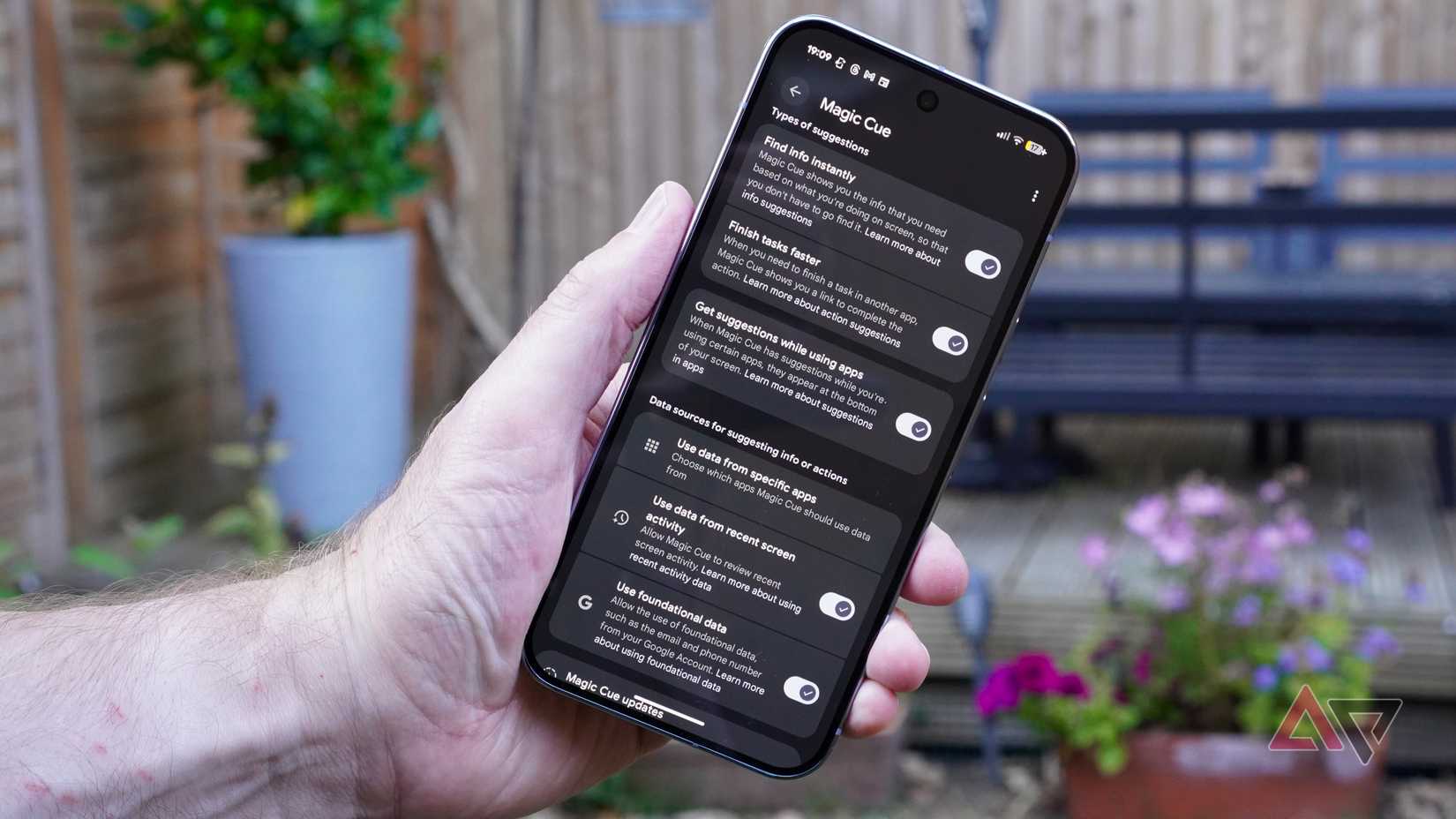
Another great showcase of what on-device AI processing can enable? Magic Cue. It uses on-device AI to pull up relevant information exactly when you need it, magically.
Talking to your airline’s support about an upcoming booking? Magic Cue will automatically pull up your flight booking details and show them right on the call screen.
Similarly, when chatting with your friends about a dinner plan, Magic Cue can automatically surface your upcoming reservation details.
Admittedly, Magic Cue on the Pixel 10 has not yet lived up to its promise. But, even in the limited cases that it works, it feels almost surreal and magical.
Still, this is another feature that’s only possible through on-device AI processing.
Several other Pixel-exclusive features rely on on-device AI processing, including Call Screening, Pixel Studio, Pixel Screenshot, Now Playing, Live Caption, Smart Reply, and more.
No wonder even after all these years, many of these features are still only available on Pixels.
While Samsung also uses on-device AI processing for some Galaxy AI features, its implementation is nowhere close to what Google offers on Pixel phones.
On-device AI will give Pixels a huge advantage
As Google integrates more AI features into Android, on-device processing will take on an even bigger role. Some features will need to work in real time to be effective, making cloud processing impractical.
And as on-device AI starts taking more importance, Pixel phones should fare much better because, unlike other Android companies, Google controls the full stack. And for once, Google’s Tensor chips could give it a real advantage.
SoC
Google Tensor G5
Display type
Super Actua
Display dimensions
6.3-inch
Display resolution
20:9
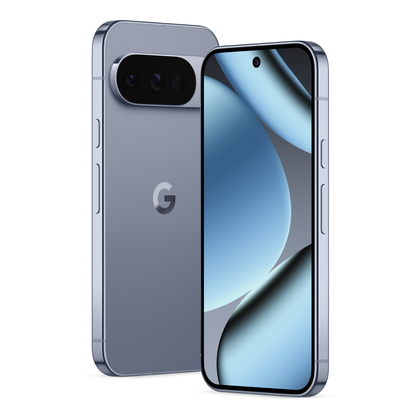
Google’s latest compact flagship Pixel packs all the features you want — a super-bright display, an efficient chipset, longer battery life, faster charging speeds, and a bunch of useful AI features.