
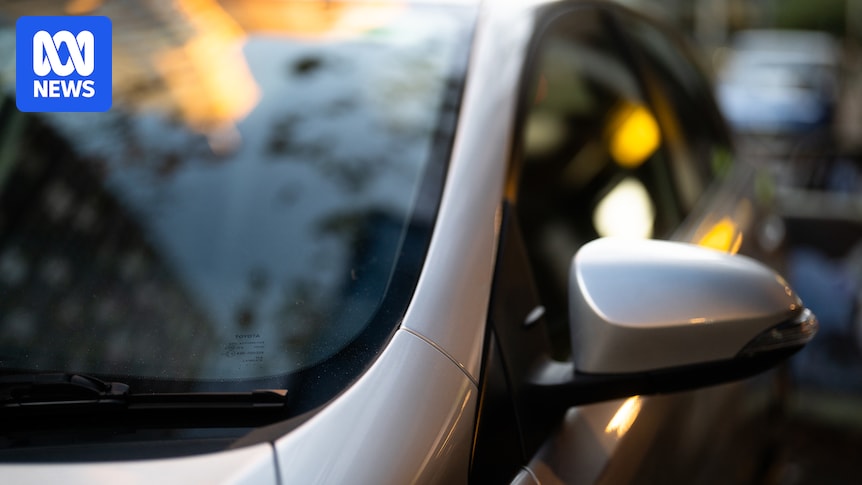
Internet-connected cars are being “weaponised” for abuse by perpetrators of family and domestic violence, prompting calls for manufacturers to embed more safety features in their systems.
There has been a surge in reports from frontline service providers in Australia of coercive control through “smart” cars linked to apps and cloud accounts that can show the vehicle’s location, start the engine, lock or unlock and send alerts.
There have been 400 calls to the eSafety Commission’s Technology-Facilitated Abuse Service and a further 20,000 instances of frontline workers and other people seeking information on behalf of others, accessing the online hub since its launch just over 12 months ago.
In response, a new online safety advisory has been issued outlining the patterns of abuse, warning signs and providing practical steps to assist potential victims across all devices and platforms.
The advice is applicable to conventional smart devices like phones, watches and home security, as well as cars, fridges, watering systems and even automated cat feeders.

Micaela Cronin says businesses need to take responsibility for “thinking through how their technology can be weaponised”. (ABC News: Che Chorley)
Domestic, family and sexual violence commissioner Micaela Cronin said technology was “moving very quickly” and services were struggling to keep up with how to support women and children who come to them for help.
“The problem with technology-facilitated abuse is that you don’t know it’s happening to you until you know, and then it’s often too late,” she said.
“We need mechanisms that are training up the workforce, that companies have a responsibility to be supporting, and we need to be listening to people about how they’re being harmed.”
Ms Cronin said technology companies must also adopt “safety by design principles”.
“One of the things that is critical … is for businesses to take responsibility for thinking through how their technology can be weaponised and to ensure that they are listening to the users of technology,” she said.
“What is it we can do to set things up from the outset, being mindful of safety as a critical factor and then responding and adapting as we hear about what’s happened.”
Reports about misuse of tech increasing
eSafety Commissioner Julie Inman Grant said increasingly more “pernicious and creative misuses of technology” were being reported to the help service.
“Like using a cat feeder to surveil your former partner or even remotely turning up the thermostat or locking the refrigerator to control when your former partner can eat or not,” she said.
Family and domestic violence support services:
If you need help immediately, call emergency services on Triple Zero.
Ms Inman Grant said her team was particularly concerned about the “advanced weaponry” of smart cars, which she described as “computers on four wheels”.
In one example several years ago, a woman’s car had a “kill switch” activated that prevented her driving beyond a 1-kilometre radius from her home.
“[The woman] basically had this very small environment where she could drop the kids off at school, go to the grocery store but couldn’t do much beyond it,” Ms Inman Grant said.
“So she kept going to the family mechanic, who happened to be a friend of her partner’s, and of course he had orchestrated it all and once she figured that out through a domestic and family violence service, she was able to get the issue addressed elsewhere.”
The new eSafety advisory warns a log of a car’s trip history could be used to discern a person’s routine, where they live, work, a child’s school or even the location of a person who has fled to a refuge.
Remote commands and alerts can be used to unlock doors, trigger lights and speakers, blast horns or start or stop engines, which can be used to “harass” or “intimidate” the person in the car.
Some smart cars can also be programmed to provide “geofence” alerts when a vehicle leaves a certain boundary on the map.
Advice issued to victims
Victims of technology-facilitated abuse are advised to call emergency services if they are worried about their safety and in general, not reveal steps they are taking on a smart device.
It is also important to reset or create a new account using a private email and phone number, update passwords and turn on two-factor authentication for everything, as well as to remove any extra users or shared keys.

Julie Inman Grant is particularly concerned about the “advanced weaponry” of smart cars. (ABC News: Craig Hansen)
Cars can be taken to retailers or dealerships for a reset of device links, the re-issue of digital keys and confirming no shared access to any accounts remain.
People can also consider collecting evidence to report tech-based abuse to police.
Social Services Minister Tanya Plibersek said Australians would be “shocked” to know how often convenient technology was being “weaponised against victims of domestic violence”.
“Our understanding of tech-facilitated abuse is something that’s really only taken off in the last five or so years, and it goes hand-in-hand with a better understanding of coercive control,” she said.
“A lot of this … is about following people, spying on them, controlling them, without their knowledge, and I really do think the tech companies could do a lot better.”