
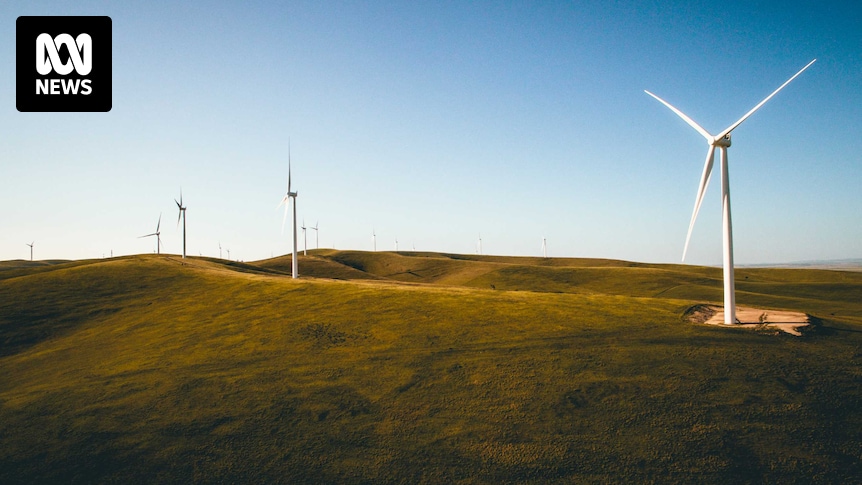
Councils are in a race to educate themselves about wind farms as more large-scale projects are set for Australian soil.
Plans for projects worth billions of dollars have been lodged in regional Western Australia, leaving local governments “working overtime” to understand what the future looks like for their communities.
One leader in the Wheatbelt said working to better understand renewables was taking up most of her time.
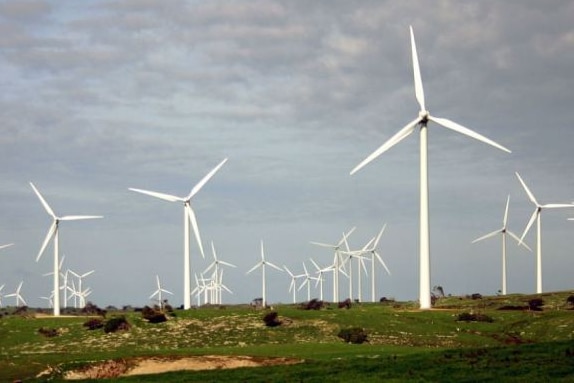
Regional councils are weighing up projects worth billions of dollars. (ABC: Stuart Stansfield)
WA ‘a number of years behind’
About 150 kilometres north east of Perth, the rural shire of Victoria Plains is home to 800 people.
Green Wind Renewables and Aula Energy are in the early stages of developing four large scale wind farms expected to cost about $5 billion, two of which are in the shire of Victoria Plains.
Recently, Victoria Plains shire president, Pauline Bantock, was part of a state government funded task force learning more about renewables at a regional leaders summit in New South Wales.
“We noticed the timeline of this [renewable energy] transition is different right across Australia … and WA does seem to be a number of years behind,” she said.
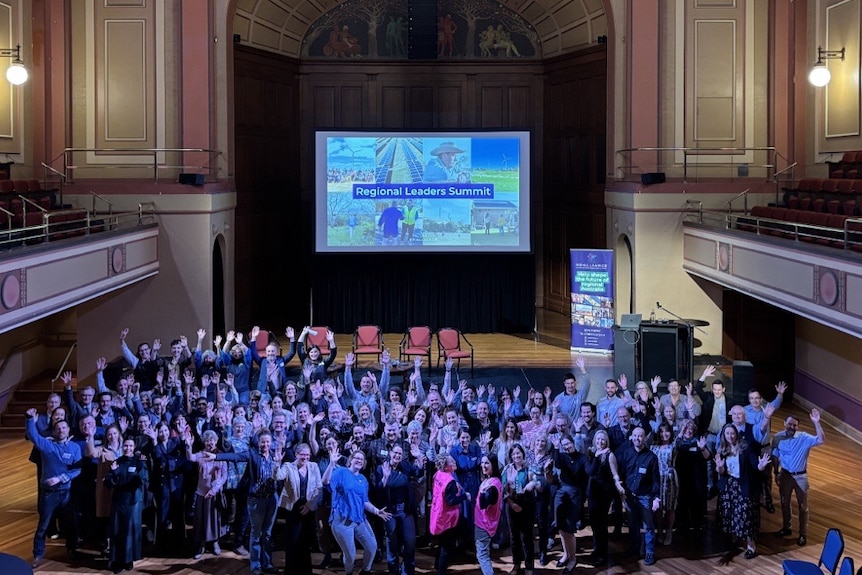
Pauline Bantock attended a Regional Leaders Summit in Newcastle as part of a state government funded taskforce. (Supplied: Pauline Bantock)
Ms Bantock said other state governments offered greater support to regional councils, such as ensuring shires had more staff for project developer liaison.
“[Our CEO] understands what’s ahead, but it is consuming a heck of a lot of time of our senior management,” she said.
“We’d like the state government to connect with the federal government … and resource the local governments so that we can help with this transition and end up in the best possible solution.
“It’s a daunting process. This is new, and when communities are faced with change, it often makes us all feel a bit nervous.”
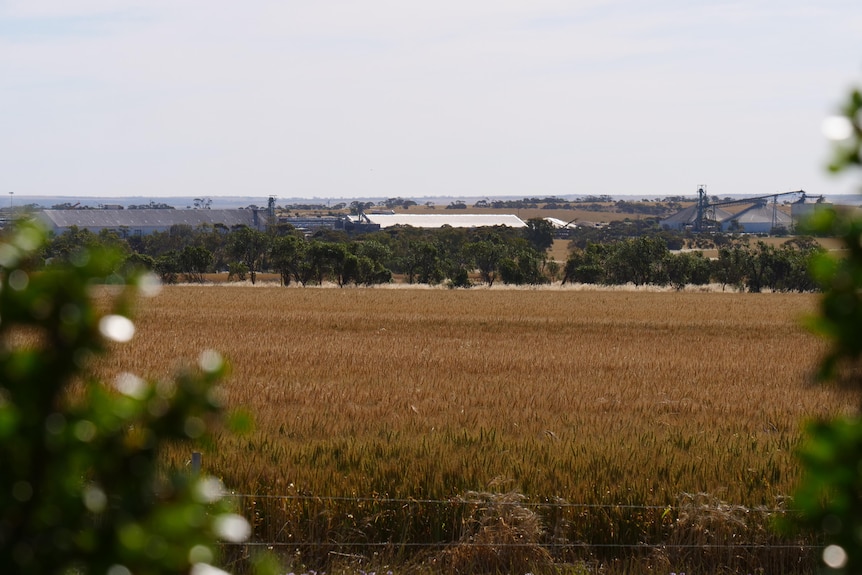
Carnamah in WA’s Midwest has been highlighted as an ideal spot for wind farms due to the wind quality. (ABC News: Chloe Henville)
‘Once in a lifetime reshaping’
The WA Local Government Association (WALGA) has worked with the state government and shires to draft a “Community Benefits Scheme” to create safeguards for councils.
WALGA president Karen Chappel said across WA, local governments were experiencing a “once in a lifetime reshaping” with many challenges to consider.
“There will be housing pressures, impacts on roads and infrastructure, and workforce challenges,” Ms Chappel said.
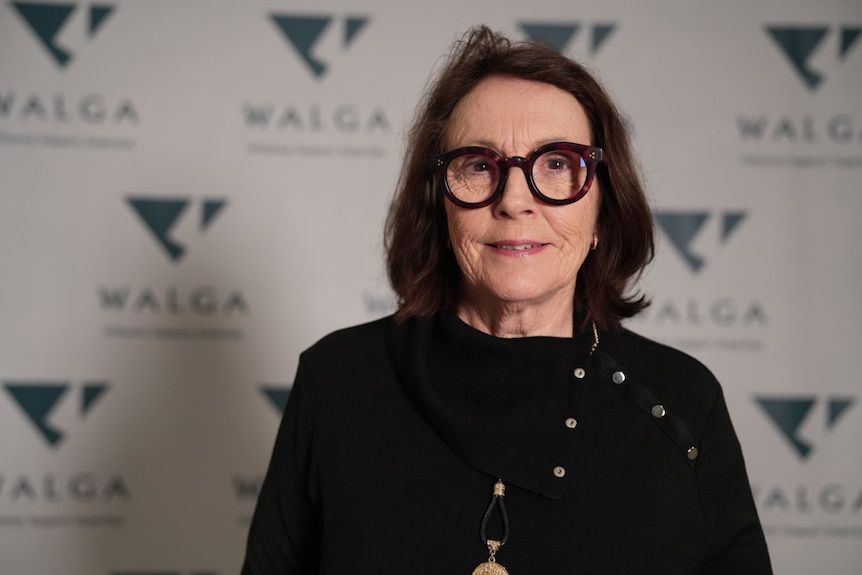
Karen Chappel says renewables has been a key focus this year. (ABC News: Jack Stevenson)
She said the state government’s final community benefits guideline, yet to be published, would hopefully document how proponents would give back to communities.
“We’re supporting a lot of local governments to ensure they have the right framework to know they’re following the right process in dealing with these applications,” Ms Chappel said.
The state government department Powering WA was also established to support councils with their needs throughout the transition.
Ms Chappel said renewable energy was a key focus of WALGA, and it would advocate for local governments to rate large-scale renewable energy facilities.
“Rating will enable local governments to cover the costs of impacts on road and infrastructure,” she said.
“It’s critical local government, industry and community all work together ensuring everyone comes along on this journey.”
Benefits for communities
The shire of Carnamah, about 285km north east of Perth, and home to 600 people, is the proposed site for what could become the state’s largest wind farm.
The $4.5 billion Tathra wind farm would see development of up to 140 turbines, with a capacity of about 1,000 megawatts.
Shire chief executive Stuart Taylor said it could boost the local economy and bring new workers to town.
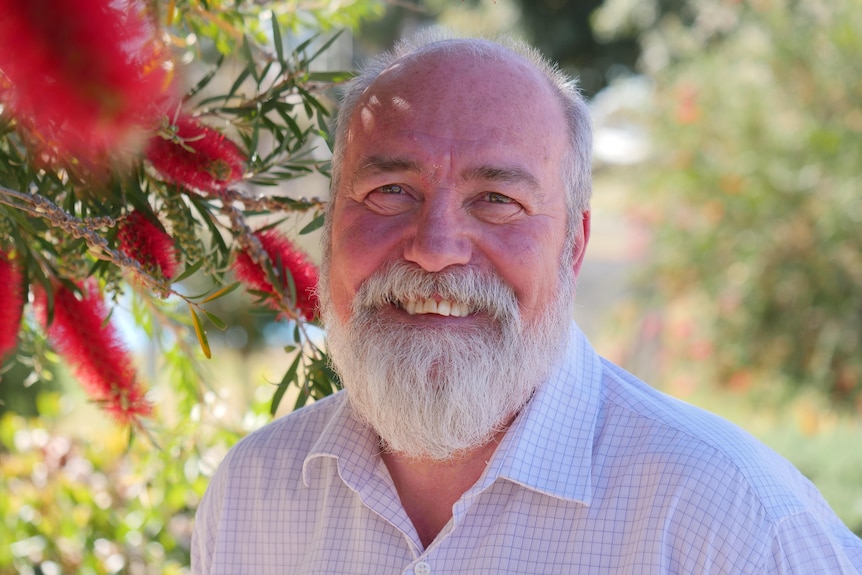
Stuart Taylor says most of the community is positive about the benefits large scale projects could bring. (ABC Midwest Wheatbelt: Piper Duffy)
“We could potentially have a thriving opportunity to develop businesses, and for families to come to Carnamah and be a support for the industry,” Mr Taylor said.
“There’s a really good opportunity for local government and community to set something up that benefits the whole community.”
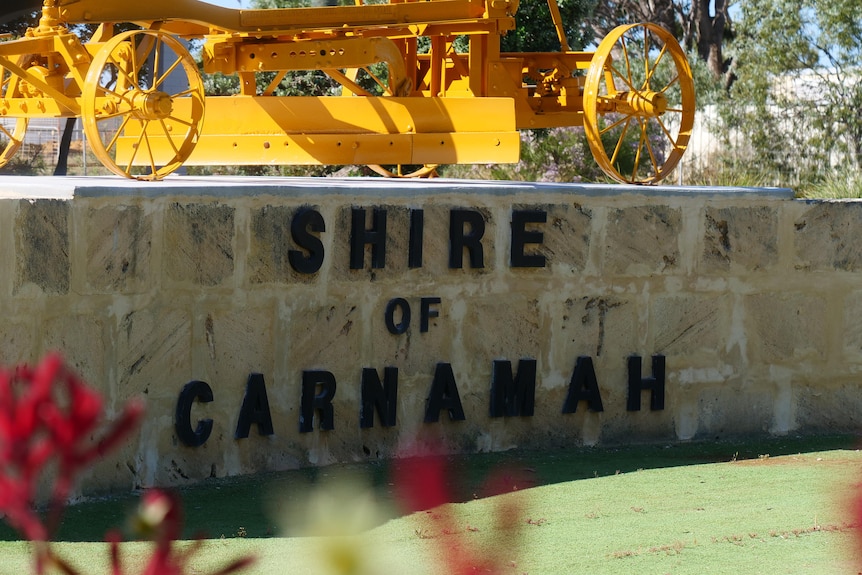
Small regional shires in WA are seeing a growing number of large scale proposals. (ABC Midwest Wheatbelt: Chloe Henville)