
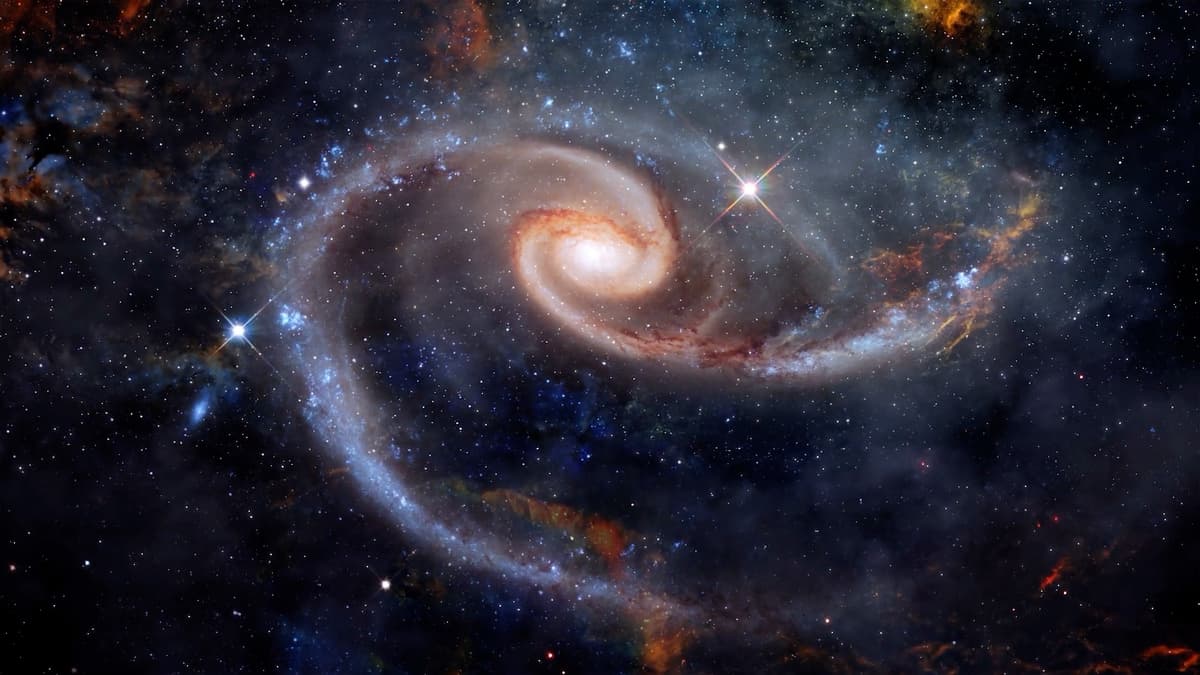
A WA team of astronomers have uncovered new information about how a galaxy’s “neighbourhood” influences its lifecycle.
The astronomers are based at the International Centre for Radio Astronomy Research (ICRAR), a cooperative venture between Curtin University and The University of Western Australia first founded in 2009.
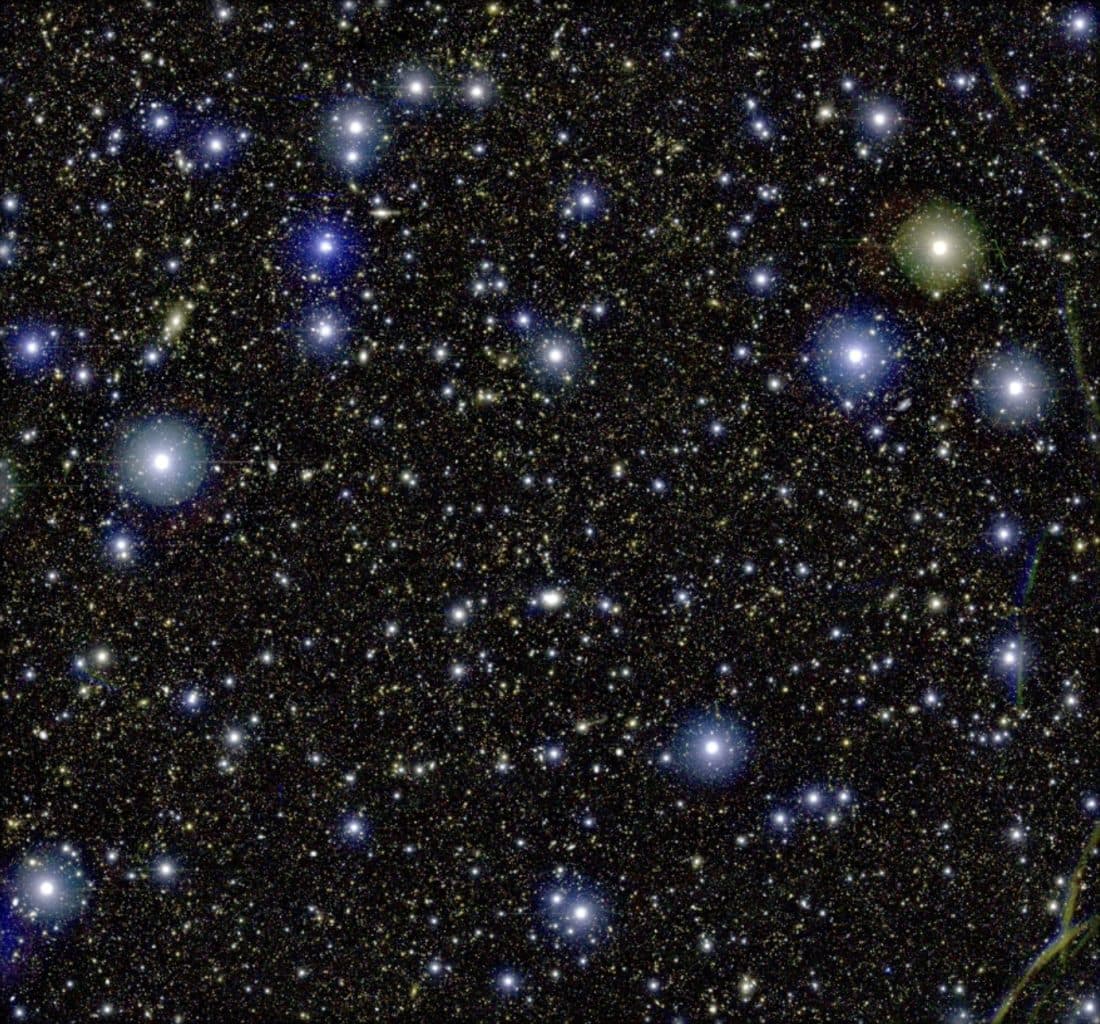
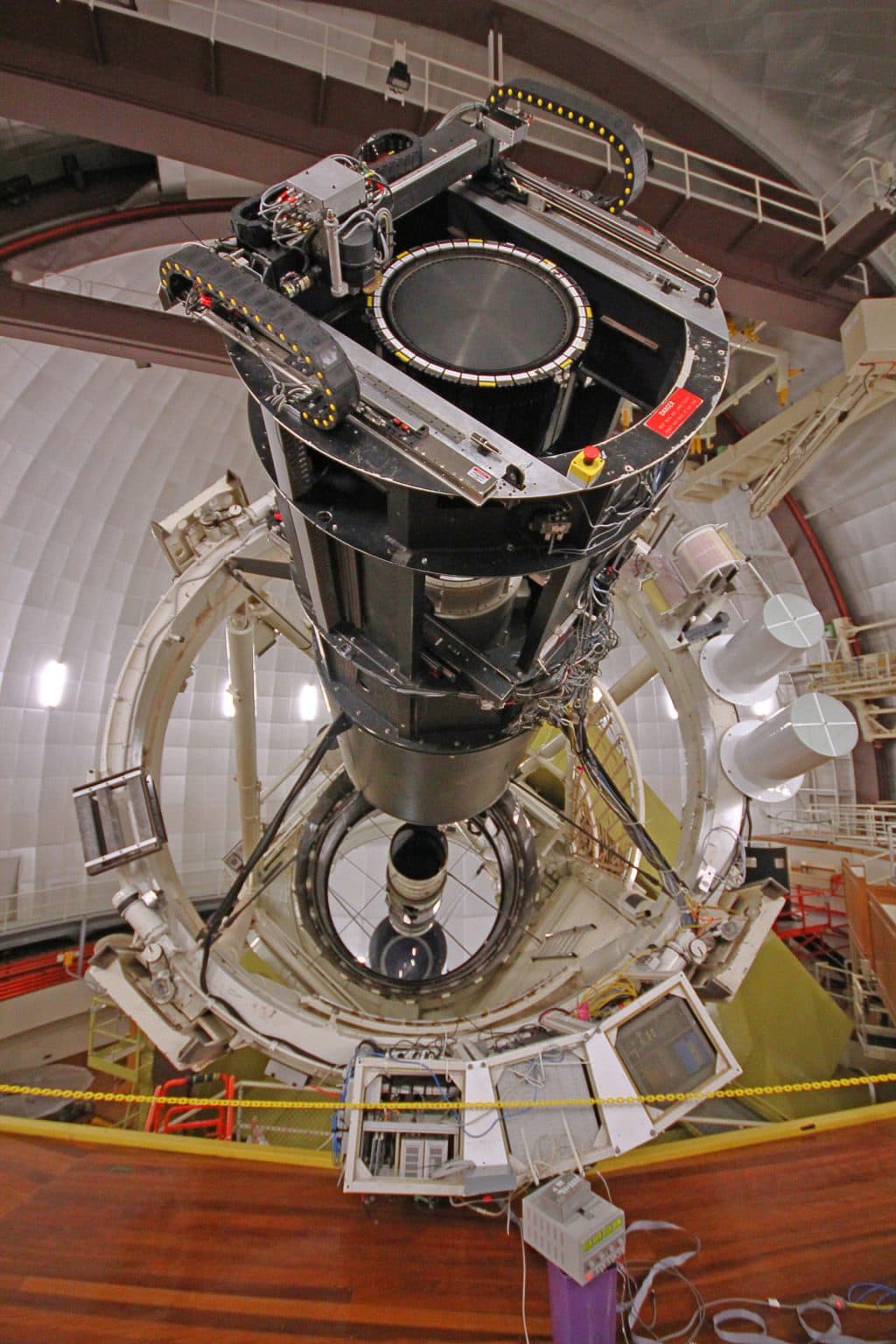
Combining over a decade of data from a series of international and space-based telescopes, the Deep Extragalactic Visible Legacy Survey (DEVILS) focuses on hundreds of thousands of galaxies that existed up to five billion years ago, comparing how the galaxies have evolved over time to the present day – finding that where a galaxy lives in the universe will strongly influence its shape, size and growth rate.
“Our upbringing and environment influence our identity,” said project lead, UWA Associate Professor Luke Davies.
“Someone who has lived their whole life in the city may have a very different personality compared to someone who lives remotely or in an isolated community. Galaxies are no different.”
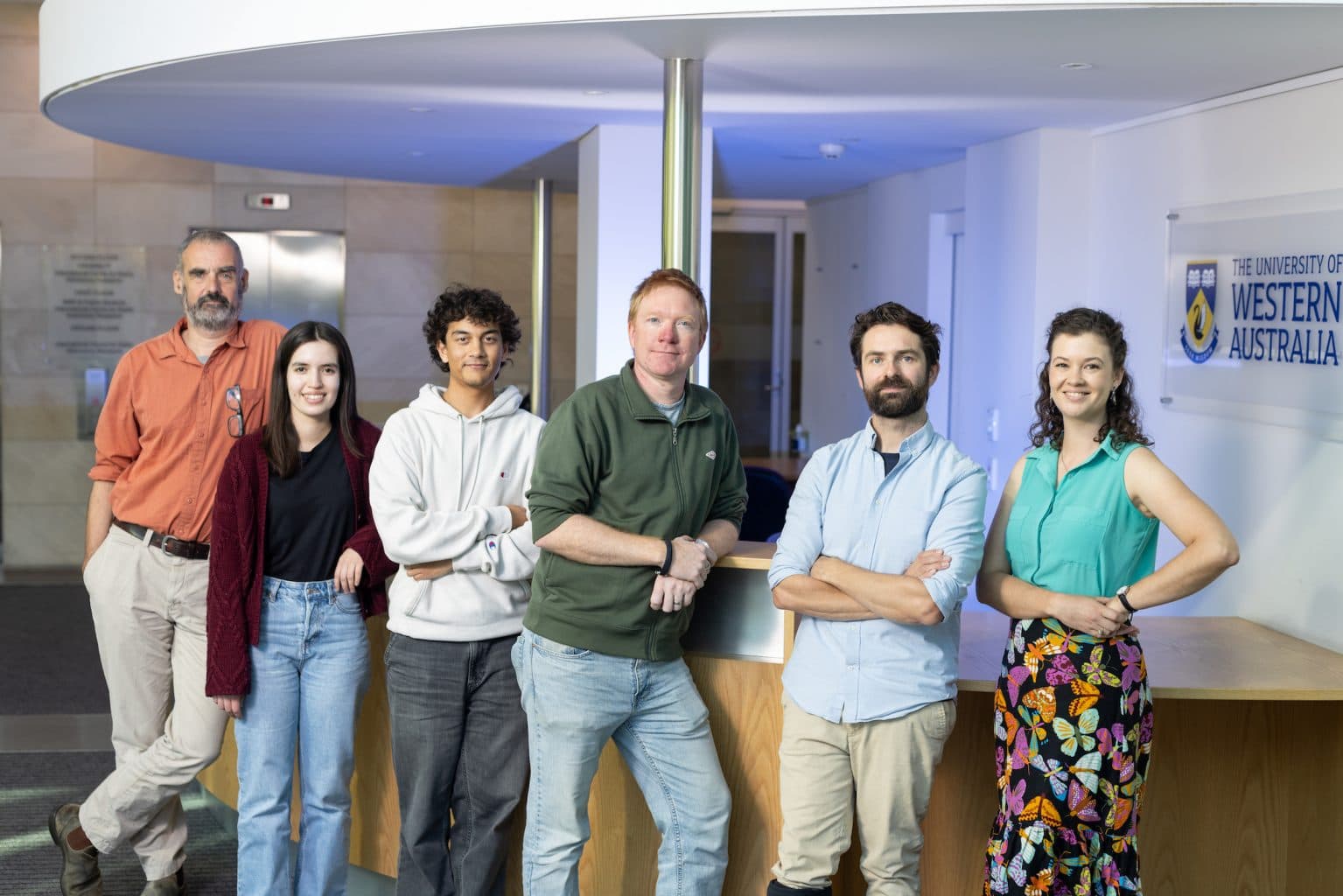
“Galaxies that are surrounded by lots of other galaxies – the bustling city centres of the cosmos – tend to grow more slowly and have very different structures compared to their isolated counterparts.”
Much like in other environments, higher population density means more competition for resources – and the true is same for galaxies, which have to compete for resources, such as gas, to form stars and grow. This can impact their evolution, or even cause star formation to slow down and cause galaxies to die earlier than otherwise expected.
“While previous surveys during this period of Universal history have explored the broad evolution of galaxy properties, they have inherently lacked the capacity to determine the fine details of the cosmic landscape,” he continued.
Subscribe to our free newsletter!
“In the DEVILS survey, we have been able to zoom in and focus on mapping out the small-scale environment of galaxies – such as mountains, hills, valleys and plateaus as compared to large-scale environments such as oceans or continents.”
The next phase of the team’s research is already in motion, with an expanded scope of galaxies up for study – and hopefully, the scientific community’s input on the research they’ve done so far.
“DEVILS forms the basis of our future plans in exploring this key area of astrophysics research.”
“DEVILS has given us a detailed picture of galaxy evolution and next year, we will start collecting data for WAVES (Wide Area VISTA Extragalactic Survey). WAVES will allow us to significantly expand the number of galaxies and environments we study, plus help us build an even clearer picture of how the Universe came to look the way it does today”.
“We have lots of researchers and post docs and students who have been working on DEVILS and we’ve been producing lots of science papers, but there are things we don’t even know about considering to do with that data, so by putting it out there into the community, someone might come up with some really interesting, cool idea that we’d never thought about – and I’d love to see someone do that.”