
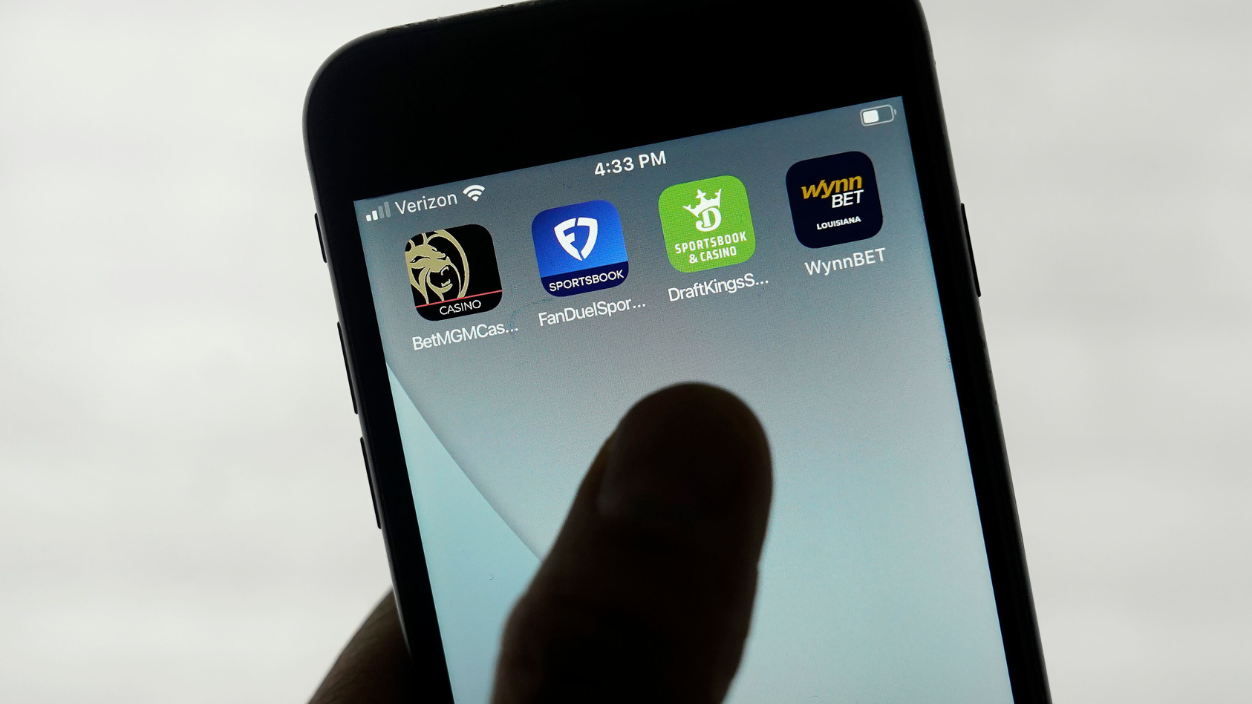
The president and CEO of Hôtel-Dieu Grace Healthcare (HDGH) is calling for more to be done to protect people from online gambling and sports betting advertising.
Bill Marra penned an op-ed in The Windsor Star stating responsibility to protect people appears to be overshadowed by the allure of profit and entertainment.
Marra said public figures and celebrity endorsements hold undeniable sway and they should use their influence to promote responsible play.
He said the legislation implemented in February 2024 — not allowing any active or retired athletes to be used in advertising and marketing for internet gaming in Ontario — hasn’t done enough.
“The market is saturated with constant messaging inviting people to be entertained by sports betting and gambling, yet, we don’t see in there the protection and the responsible approach reminding people that this is not just an opportunity for entertainment, that for some it’s very very risky,” said Marra while speaking on AM800’s Live and Local with guest host Kristen Siapas.
He said the number of people presenting for help at HDGH has doubled in the last five years and added that gambling and online gambling is a real crisis.
“We see people that are financially broke, they go bankrupt, they compromise all of their savings. More often than not it’s an event the family is not made aware of it until they get to a point of financial destruction. We’ve seen marriages fall apart. We’ve seen people engage in self-harm,” said Marra.
Marra said HDGH offers a counselling program dedicated to problem gambling and digital dependency.
“We have a residential program firstly in Windsor, it’s a three week residential program for individuals who need intense therapy and support. There’s one-on-one counselling and group counselling available,” he said.
“There’s also support that’s been made available to family members to assist them in their own mental health journey and their support of their loved ones if they’re still able to do that.”
More information on HDGH’s problem gambling and digital dependency program can be found here, or by calling (519) 254-2112.