
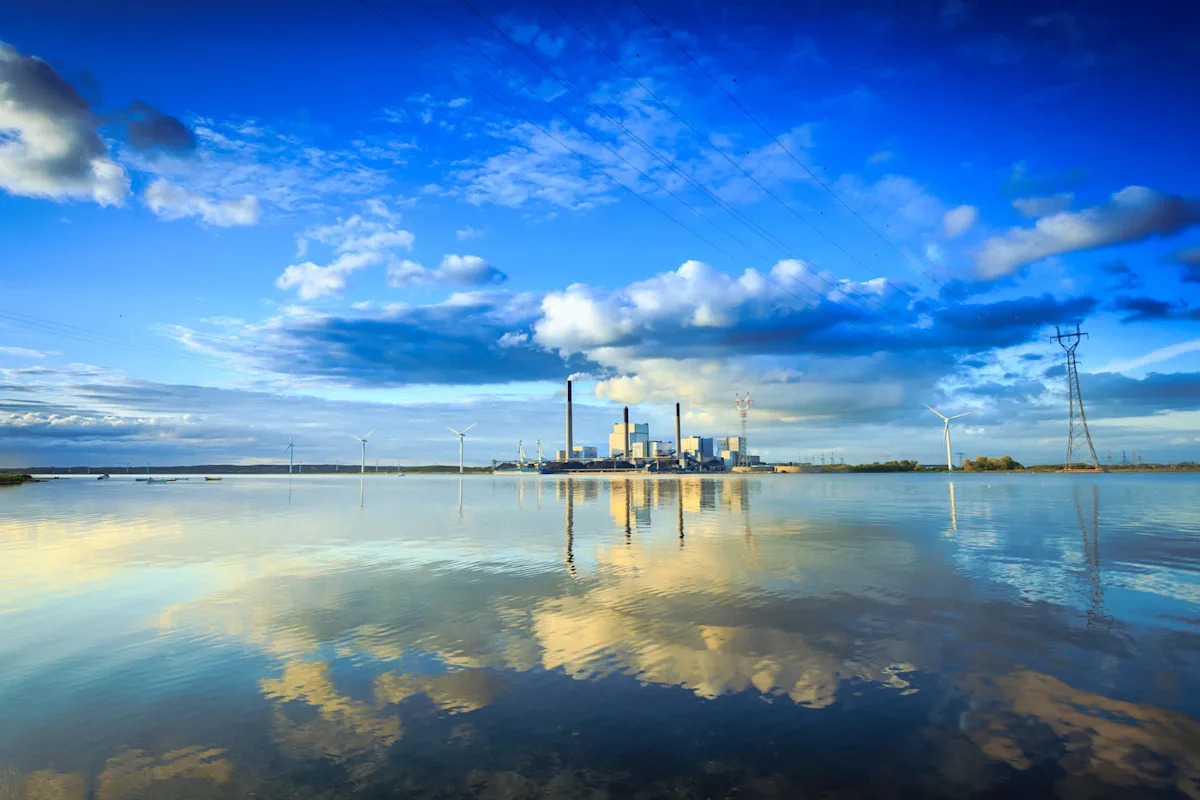
Researchers in China have made a breakthrough that tackles two of the world’s major problems at the same time.
According to Chemical & Engineering News, researchers at the University of Electronic Science and Technology of China and the Shenzhen Institute of Advanced Technology have captured carbon dioxide from ocean water and turned it into biodegradable plastic.
Direct air capture, which means capturing CO2 from the air, has been around for years. But direct ocean capture is relatively new to us.
The Commonwealth Science and Industrial Research Organisation has stated that the world’s oceans naturally absorb nearly a third of the CO2 in our air. Even when we’re not thinking about it, those big bodies of water are doing us a huge favor every day.
Removing CO2 from the atmosphere reduces the amount of planet-warming gases in our air. Those gases contribute to extreme weather that threatens lives and the global food supply. But that’s just the first part of the equation.
According to C&EN, the researchers turned the CO2 captured from the ocean into succinic acid. Succinic acid is a component in polybutylene succinate: a biodegradable plastic that can be used in everyday products like bottle caps, toys, and packaging.
Plastic often takes hundreds of years to degrade.
Besides the massive amounts of plastic waste in landfills, plastic pollution festers in oceans and other bodies of water. Some plastic waste also makes its way into solid waste incinerators, which have been linked to various health conditions, including asthma and lung cancer.
For the time being, it’s important to choose plastic-free options when possible and encourage businesses to create sustainable products. If this technology is scalable, however, it could be a huge step forward in curtailing plastic pollution and ocean acidification.
This doesn’t mean that we shouldn’t do anything about air pollution either. Solutions like this can mitigate some of CO2 and other dirty gases’ effects. But minimizing pollution will ultimately save us money and keep us healthier.
CX Xiang, a specialist in chemical physics and materials science at the California Institute of Technology, who wasn’t involved in this research, said, “This is the first demonstration that’s going from ocean carbon dioxide all the way to usable feedstock for bioplastic.”

��
Get TCD’s free newsletters for easy tips to save more, waste less, and make smarter choices — and earn up to $5,000 toward clean upgrades in TCD’s exclusive Rewards Club.