
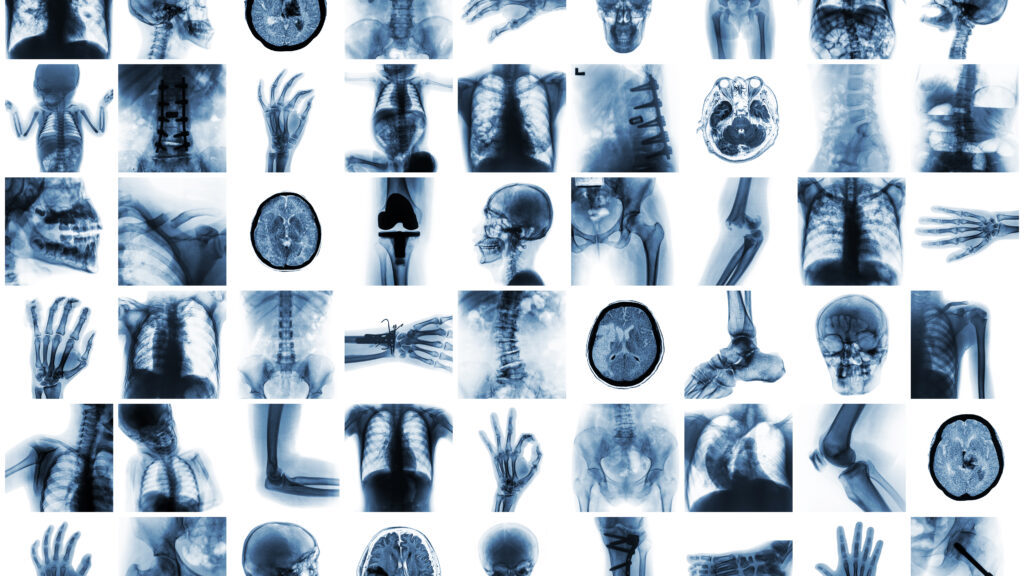
The biggest radiology practice in the United States is leaning even further into artificial intelligence. The tech arm of Nashville-based Radiology Partners, which includes more than 4,000 radiologists reading more than 55 million images every year, last month acquired a new AI company for $80 million: Cognita Imaging, a Stanford researcher-founded startup that’s hoping to win the race to capitalize on foundation models in radiology.
By training vision-language models on large numbers of radiological images and their written radiology reports, the hope is that AI will be able to read an X-ray or CT scan like a radiologist would: Not just by looking for a single, predetermined abnormality, but for any finding that looks important. Many existing and new radiology companies have launched themselves at that goal, despite concerns about whether such broadly-targeted technology can be validated and used safely.
Radiology Partners, which has long acted as a large-scale testing ground for AI in radiology, could uniquely accelerate that work. Over the last year, the company’s technology and AI division Mosaic Clinical Technologies has incorporated Cognita’s model into a tool called Mosaic Drafting, which analyzes X-rays and head CTs and spits out the text of a preliminary radiology report for a human radiologist to review, edit, and approve.
STAT+ Exclusive Story
Already have an account? Log in

This article is exclusive to STAT+ subscribers
Unlock this article — and get additional analysis of the technologies disrupting health care — by subscribing to STAT+.
Already have an account? Log in
Individual plans
Group plans
To read the rest of this story subscribe to STAT+.