
China has achieved a groundbreaking milestone in the field of space exploration, with the successful separation of its experimental Shijian-21 and Shijian-25 satellites in geosynchronous orbit (GEO). This operation follows months of low-profile on-orbit refueling tests and could potentially redefine how space missions are conducted in the future.
China’s Shijian Satellites: Pioneering a New Era in Space Refueling and Satellite Maintenance
The successful docking and subsequent separation of the Shijian-21 and Shijian-25 satellites in GEO represents a historic leap forward in space technology. For months, the two satellites operated in close proximity to each other, conducting what appeared to be tests for on-orbit refueling and orbital plane adjustment. These refueling tests are particularly significant because they represent a crucial step toward maintaining and extending the operational lifespan of satellites in GEO—home to essential assets like weather monitoring systems, communications satellites, and military reconnaissance tools. The ability to fuel or adjust the orbit of these satellites without the need for costly and complex ground-based operations could revolutionize satellite maintenance.
China’s Shijian satellites, developed by the Shanghai Academy of Spaceflight Technology (SAST), are pushing the boundaries of on-orbit servicing, which includes refueling, repositioning, and performing orbital adjustments. The success of this technology could drastically reduce the financial burden of launching new satellites or decommissioning aging ones. Furthermore, the potential to extend the life of expensive satellites would bring immense value to industries that rely on long-term satellite operations, from telecommunications to global navigation systems.
The Military and Civilian Implications of Refueling Technology
The lack of transparency from China’s space agencies regarding the details of these refueling tests has raised some concerns. As noted by SpaceNews, the technology’s dual-use nature—serving both civilian and military purposes—raises questions about the future of space governance and international security. On the one hand, on-orbit refueling could be used for peaceful purposes, such as maintaining weather monitoring satellites or enabling long-term scientific research in space. However, the inherent ability to rendezvous and manipulate objects in space has undeniable military implications, especially when considering the strategic importance of GEO satellites for missile defense, communications, and reconnaissance.
In this context, China’s successful demonstration of refueling capabilities is not just a technological advancement, but also a step toward reshaping the strategic balance in space. As China, the U.S., and Russia increasingly push the boundaries of their space capabilities, the presence of military satellites capable of refueling and repositioning could lead to more frequent interactions in orbit, potentially escalating tensions between space-faring nations. This growing capability underscores the importance of establishing clear international norms and agreements to regulate space activities and prevent conflicts in this new frontier.
Shijian-25: A Game Changer for Satellite Lifespan and Cost Efficiency
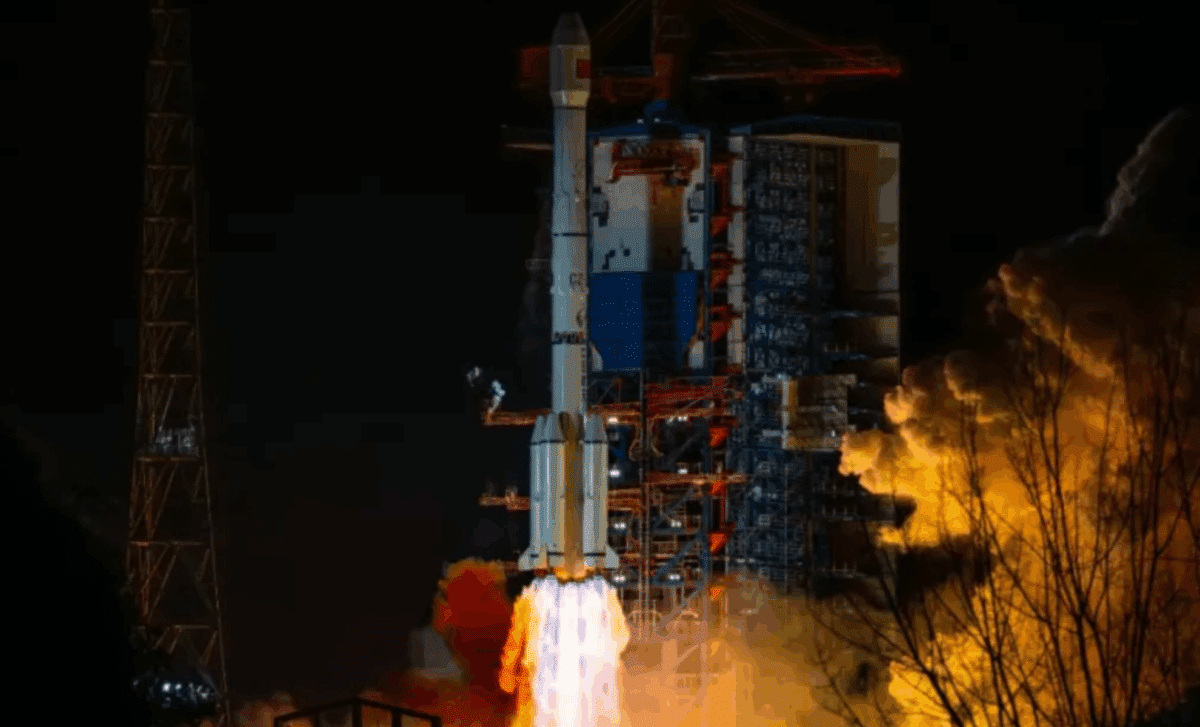
While the Shijian-21 mission was primarily focused on towing a defunct satellite to its designated graveyard orbit, the Shijian-25 mission carried out tests to evaluate on-orbit refueling and mission extension technologies. Launched in January 2025, Shijian-25 aimed to demonstrate how refueling could extend the operational life of satellites in GEO, significantly reducing the need for new launches. The cost savings alone could revolutionize the space industry, as maintaining aging satellites in orbit would become far more feasible and affordable than replacing them entirely.
The tests carried out by Shijian-25 could lay the groundwork for future commercial applications of satellite servicing technologies. If proven successful, such technologies could allow for the repurposing of older satellites, providing opportunities for innovation and the reallocation of space assets to new missions. The implications for satellite operators, especially in sectors such as communications and remote sensing, could be immense, opening up new opportunities for more sustainable space operations.
A Strategic Shift Towards On-Orbit Servicing and Military Power
China’s foray into on-orbit servicing technology goes beyond merely extending the life of satellites. The development of refueling and maintenance capabilities in space also enhances China’s strategic positioning in the ever-competitive space race. While the primary focus of these technologies has been on commercial and civilian space applications, there are broader military implications that cannot be ignored.
In recent years, China has been steadily developing its space capabilities with a focus on technologies that can be applied in both peacetime and wartime scenarios. The ability to service and maintain satellites in orbit could be a game-changer for China’s military satellites, allowing them to remain operational longer and be repositioned as needed. With the ongoing advancements in satellite refueling, China’s military space assets could become far more versatile, posing new challenges for global space security.