
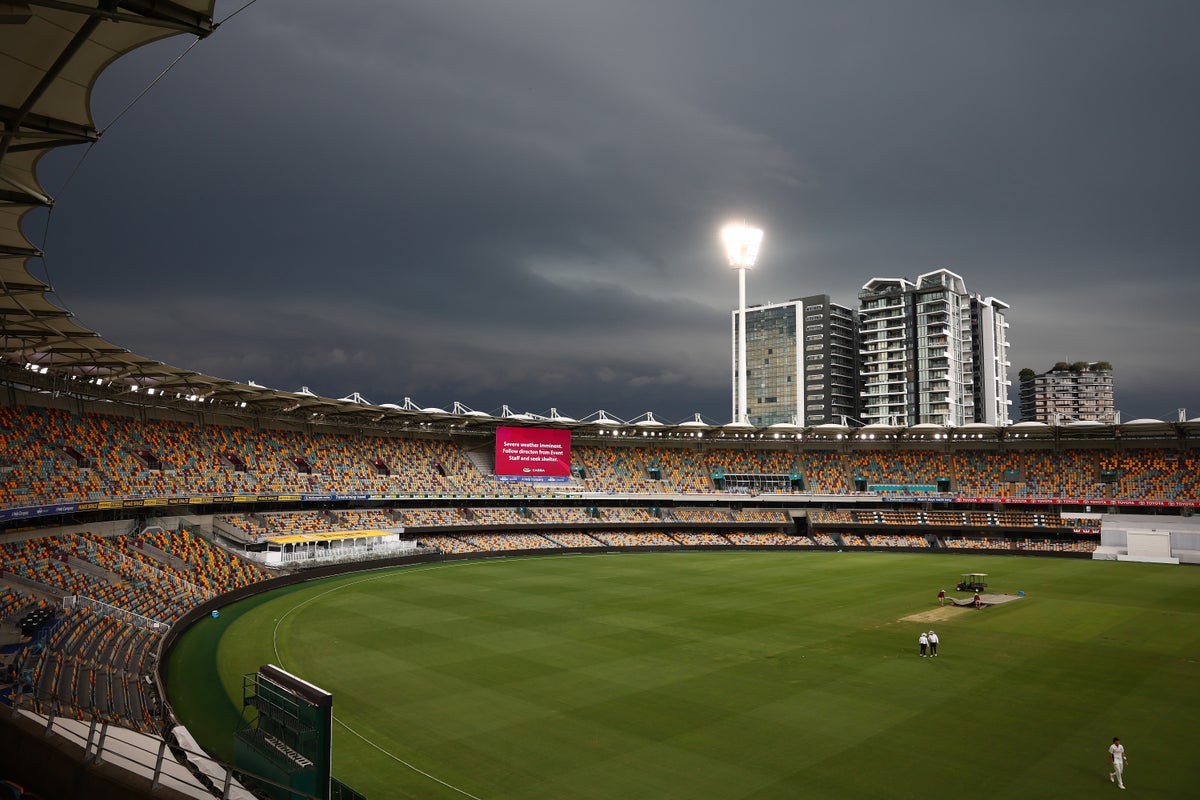
Tower of London, Edinburgh Castle, Agra Fort… The Gabba. A sporting fortress for Australian cricket to lean on, with England already playing catch-up in the Ashes.
“It’s the most uncomfortable I’ve been on a cricket field,” former England cricketer Mark Butcher said in 2017 of playing at the Gabbatoir. “It hurt your eyeballs. You couldn’t even blink properly.”
The venue is synonymous with Australian cricketing dominance, as the iconic series resumes following the stunning two-day blitz of Ben Stokes’s men in Perth. The shell-shocked tourists, who had the first Test in control at lunch on day two, only to capitulate and succumb to a violent, inspiring innings from Travis Head, face a daunting reintroduction to Ashes cricket. The multi-coloured seats to give an illusion of a full-house, heat hazes caused by the intense Queensland sun and 11 green baggys swarming and hollering as another wilting tourist plays an ill-judged shot. England have not won here since 1986. For 32 years, between 1989 and 2021, no one else won here at all. Just… those guys.
“Can’t wait to get you at The Gabba,” was former Aussie captain Tim Paine’s famous sledge to Ravichandran Ashwin in 2021. “Ooph, wait until you get to The Gabba.”
A week later and India had gone to the Gabba. And won. The hoodoo was lifted.
Australia’s least hospitable venue has, in recent years, plumped its cushions up a tad for those arriving. After a 31-match streak where the home team had won 24 and drawn seven, the last five matches have seen Australia lose twice and draw once. One of those victories came against England (uh, oh), and the other came in a two-day shootout against South Africa on a wicket Steve Smith described as “the most difficult wicket I’ve played on in Australia”.

open image in gallery
England badly need to win at the Gabba to have a chance of winning the Ashes (PA)
It is, admittedly, on such morsels that England pin their hopes. The weather in Brisbane this week has been bruising, the heat suffocating, and the thunderstorms sporadic but seasonal. The extreme nature of the location was a factor in why England skipped out on the Prime Minister’s XI match in chilly Canberra to let their bodies adapt to an environment Ben Stokes describes as closer to Sri Lanka than Perth.
“As soon as you step off the plane you get hit by that heat and humidity,” Stokes said to the press this week. “It’s a lot more sweaty, muggier, stickier. It’s going to be tough, it’s going to be hard, but that’s why it’s called Test cricket.”
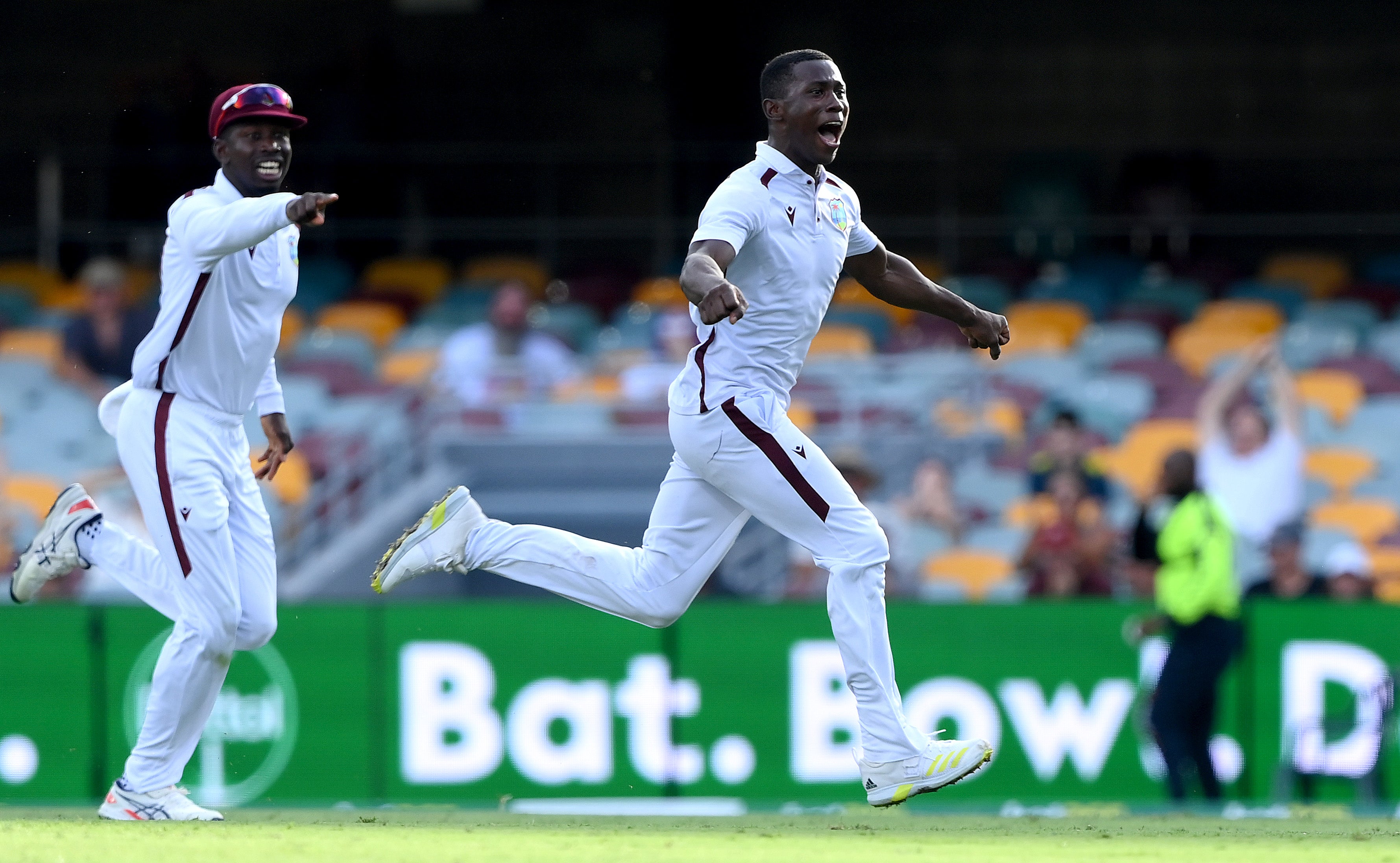
Australia’s two defeats here were at the hands of India in 2021 and the West Indies in 2024. Both were historic victories. For India, it secured them a series win after they chased 329 on the final day, thanks to Rishabh Pant’s 89 not out. While for the West Indies, it was their first win in Australia full stop since 1997 and was down to an inspired fast-bowling performance from Shamar Joseph. In the commentary box, West Indian legend Brian Lara was reduced to tears.
open image in gallery
The West Indies became only the second team to win at The Gabba since 1989 in 2024 (Getty)
“This West Indies team can stand tall today,” Lara said. “West Indies cricket can stand tall.”
The good news for England is that it shows that it is possible; the bad news is that both results are landmarks in Indian and West Indian cricket history, such is the scale of the achievement. None of the current team were even born the last time England won here. Since 1986, England have played nine matches, lost seven and drawn two.
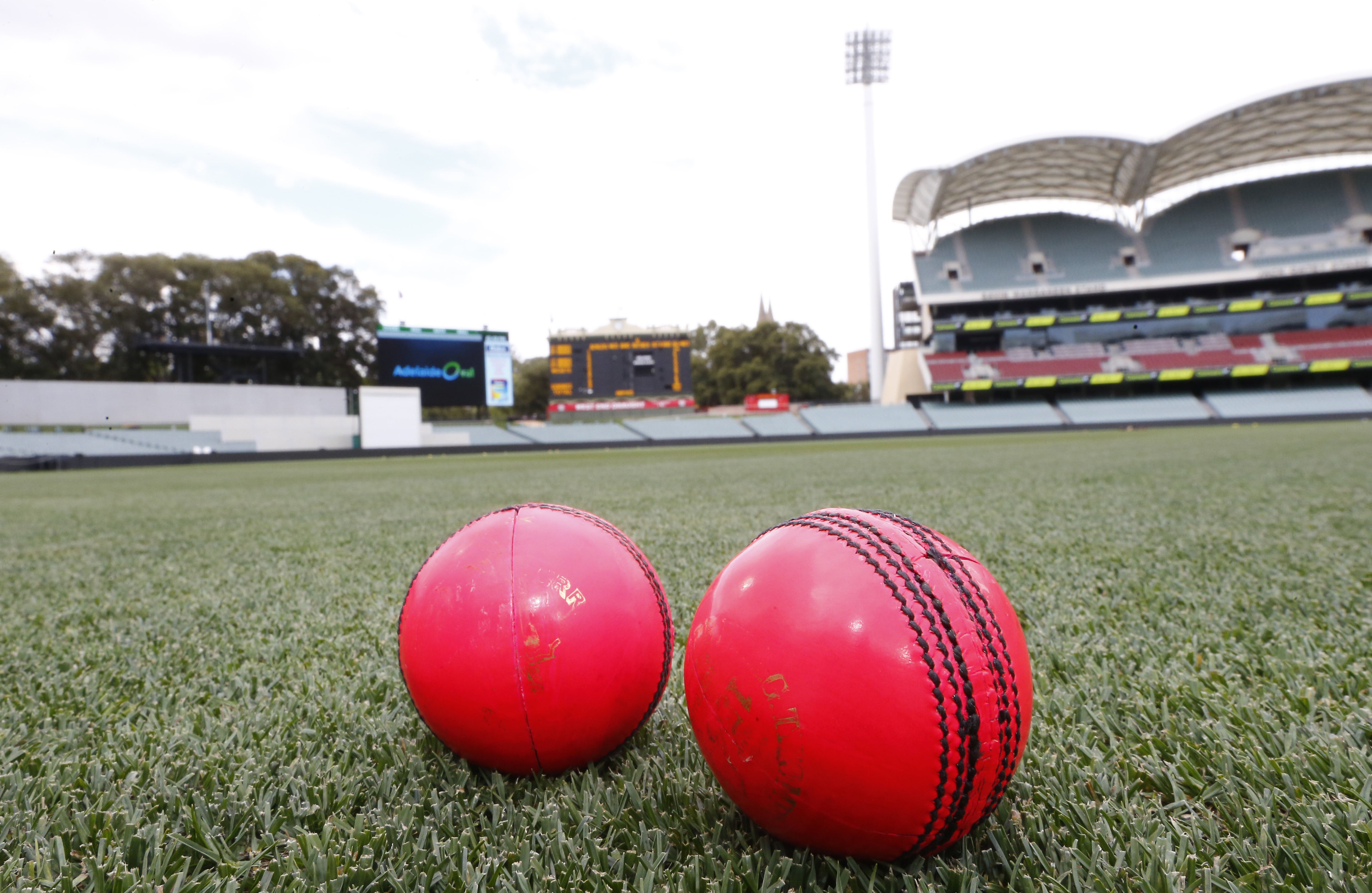
What’s more, there is a further factor at play that England are coming up against. The pink ball.
open image in gallery
The pink ball is a further factor at play in the day-night Test (PA)
Australia have played 14 day-night Tests, winning 13, with the West Indies defeat last year their only slip up. By contrast, England have played seven and only won twice.
The day-night Test has become a staple of the Australian summer. Carrying its own intricacies, the Aussies have got better at it, while for the most part, everyone else’s practice session is when they come to play Australia at their own game.
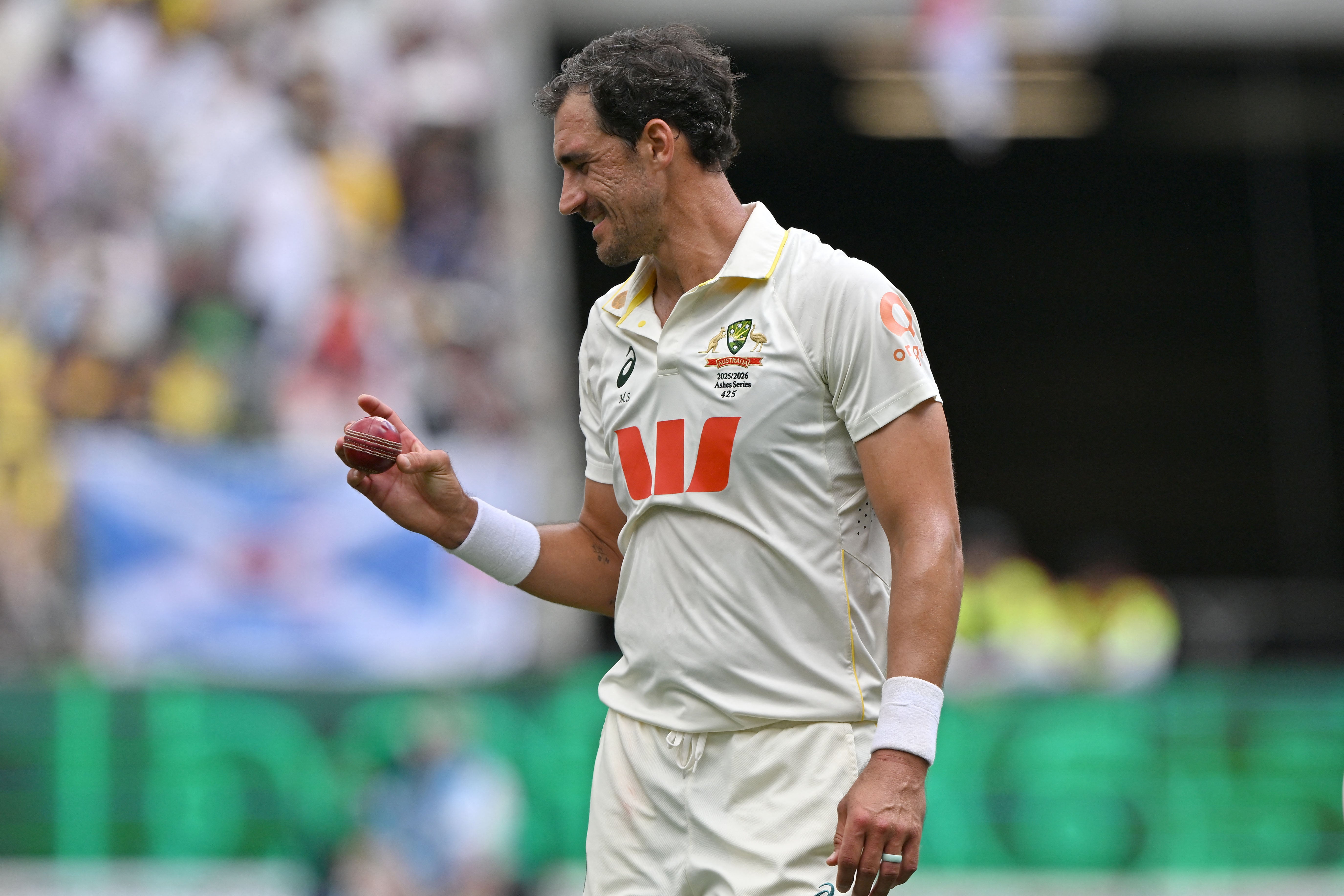
Time management becomes a factor, with matches pivoting in the moments where bowlers get a new ball in their hand as twilight comes in. Mitchell Starc, who ran through England in Perth, is the world’s best in such conditions. In all, he has 81 pink ball wickets. Pat Cummins and Nathan Lyon are joint second with a distant 43.
open image in gallery
Mitchell Starc is the world’s best bowler in day-night games (AFP via Getty)
“It’s his high pace, it’s late swing,” said teammate Marnus Labuschagne, three days out from the start of the Test. “And you combine them, and in the right conditions at the right time, the pink ball just does swing more, or it swings later and more inconsistently, which makes it hard to line up. I think it’s a combination of being a left-hander, swinging it at high pace and swinging it late, that’s probably what makes him so dangerous.”
It makes people do funny things, including Aussie batter Steve Smith, who, to counteract the unique glare on the wicket that occurs just as the sun drops and the floodlights take over, has been experimenting with NFL-style black eye strips that sit on the cheekbones.
“The pink ball in general is a completely different game,” Smith has said previously. “Personally, I find it quite tricky just picking the ball up at certain times of the day and things like that, and the way it behaves is completely different to a red one.”
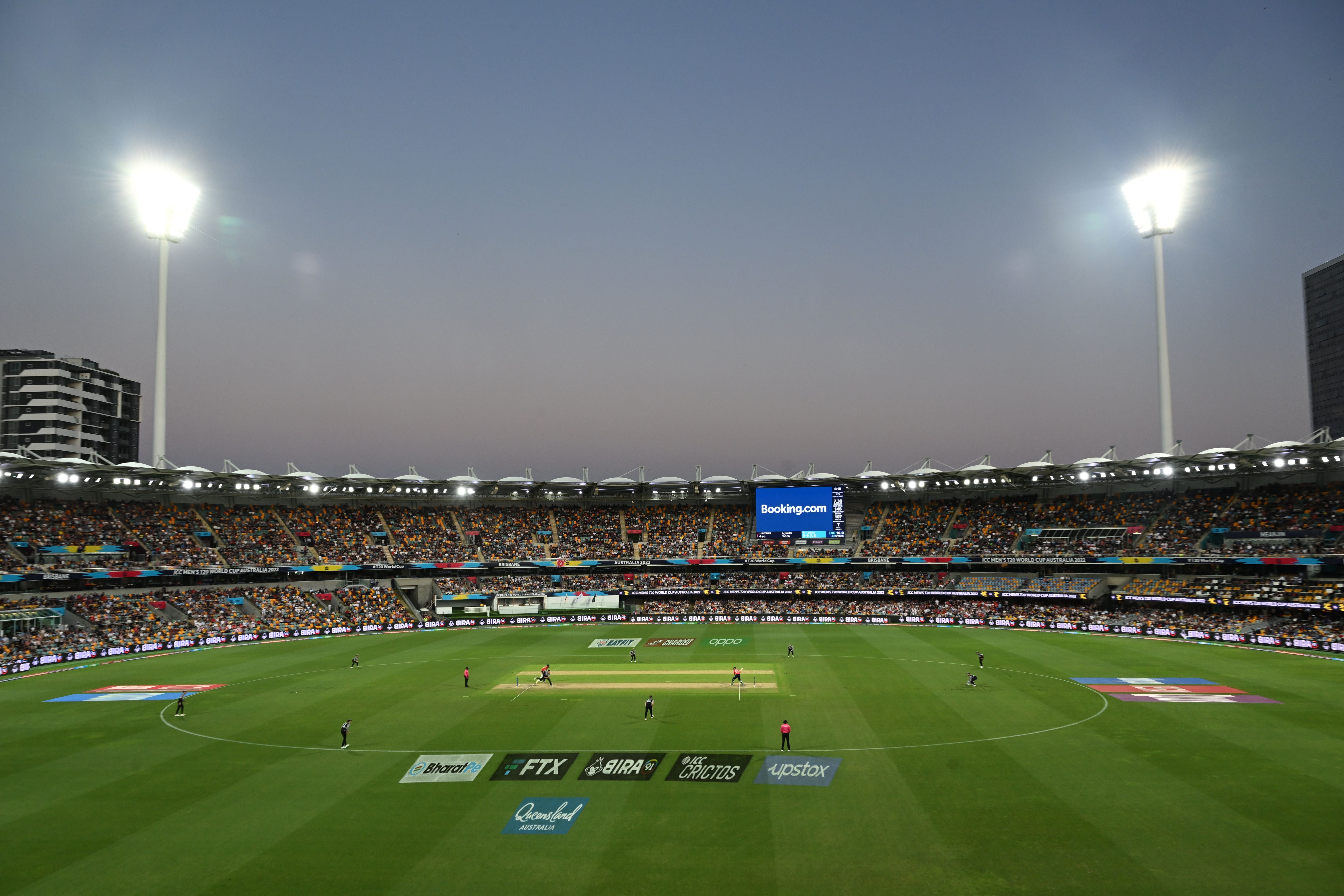
The final disadvantage England face is the time of year. Both of Australia’s recent defeats here came in January, later in the summer when the wicket is older, more tired and slower as a result. The defeat to India in particular had several Australian players complaining off the record that “this isn’t the Gabba”. For years, Australia traditionally started their Test summer in Brisbane to hit their opponents with pace, heat and bounce. England will face, pace, heat, bounce and the pink ball.
open image in gallery
England will face pace, heat, bounce and the pink ball at The Gabba (PA)
The legend of the Gabba was built over the years through a combination of facts and feelings. Rumours of its demise are based purely on the latter.
After Rishabh Pant scored the winning runs against Australia in 2021, India celebrated, and Pant’s captain Rohit Sharma pulled him to the side.
“You don’t know what you have done,” Sharma said to him. “When you leave cricket, you will realise.”
England go into the second Test facing the same pressure, but with an even greater reward waiting.