
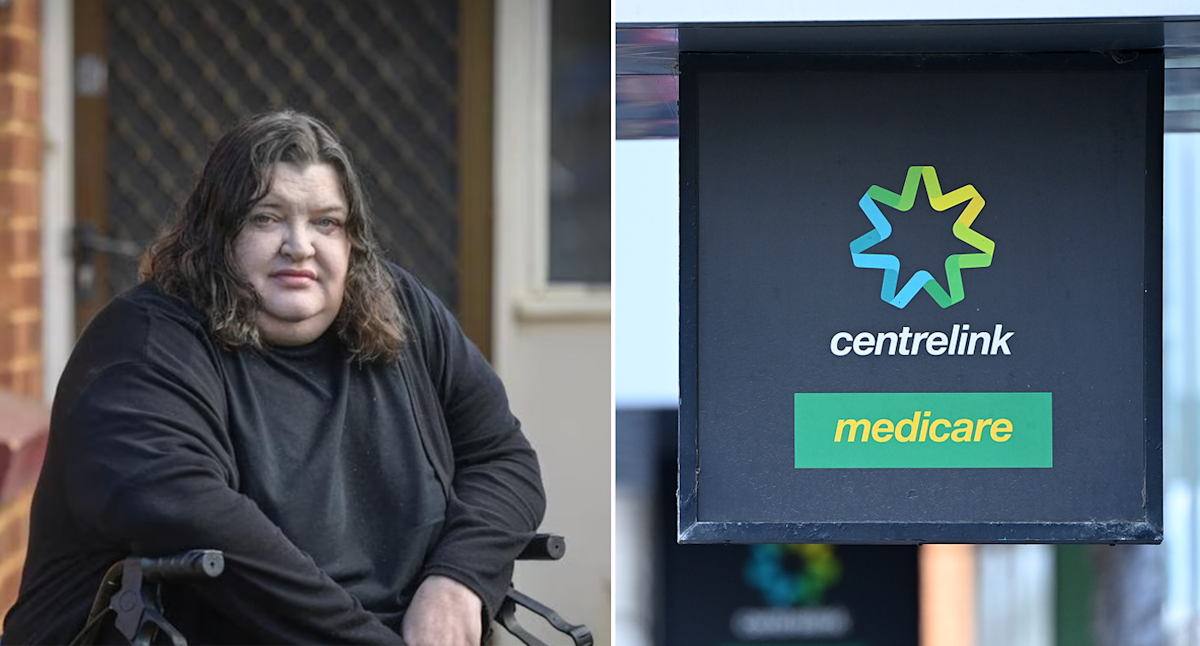
 Mel Fisher has to pay her ever growing energy debt with her Centrelink Jobseeker payment. (Source: NCA Newswire/Getty)
Public housing tenant Mel Fisher is one of the many Australians in energy debt. She is $6,000 in the hole and expects it will only keep getting deeper.
“It’s not getting better,” she told Yahoo Finance. “I am absolutely dreading the summer because I know that debt is going to get higher and higher.”
The 43-year-old has built up the $6,000 debt over a period of about six years and has to chip away at it by using her Centrelink payment each fortnight.
The Adelaide resident is one of the growing number of Aussies facing debt repayments after falling behind on their energy bills – something nearly one in 30 households are facing.
RELATED
“I’m on a payment plan. I pay $120 out of my JobSeeker every fortnight,” Fisher told Yahoo Finance.
Her energy provider, ENGIE (which used to be called Simply Energy) has put her on a lenient payment plan. While she isn’t paying interest on the debt, she is only able to chip away at it during winter when she declines to use the heater.
“In summer I have a skin condition that requires me to keep cool so I have to run my air conditioning,” she said. So during that period her repayments are drowned out by the next quarterly bill.
“Every year I’m just going deeper and deeper into debt.”
While she is happy with the payment plan, she feels trapped in the situation because she can’t switch to another provider if she really wanted to.
“I can’t change providers because then I’d have to pay a new provider and pay off this debt, which would put me even further behind,” she said.
According to new data from the Australian Energy Regulator, released as part of its annual market report this week, some 336,615 Aussie households were in energy debt last year. That is up 1.4 per cent on the previous year.
While government rebates boosted affordability for many, more customers ended the year with energy debt, lamented AER Board Member Jarrod Ball.
“While two-thirds of customers in energy debt were receiving support from their retailer through a payment plan or hardship program this year, one-third were not,” he said.
From December 2026, retailers must ensure that hardship customers pay no more than their deemed better offer, if available, preventing these customers from incurring more debt or expenses than necessary. (Source: Getty/Yahoo Finance)
“I strongly encourage customers struggling with payments to contact their energy retailer as soon as possible to receive the assistance they’re entitled to under national energy laws.”
At the end of June 2025 average energy debt was $1,367 compared to $1,148 at the same time in 2024.
Ball also noted that new rules to take effect in July next year will mean retailers are required to provide more information about concessions and rebates to customers more frequently, prompting them to consider if they’re eligible for financial support.
Advocates such as the Antipoverty Centre are calling for energy companies to consider debt relief for the customers who are struggling the most, arguing that despite falling wholesale prices driven by renewable energy generation, the country’s largest energy retailers have posted significant profit increases across the latest financial year.
Meanwhile nearly half of the Australians it surveyed pointed to profit-seeking by energy companies as the main driver of rising prices.
Last week, Treasurer Jim Chalmers left the door open for an energy rebate to potentially be renewed for 2026.
The subsidy is part of Labor’s Energy Bill Relief Fund extension and most Australian households and small businesses are eligible until the offer expires at the end of this year.
Prime Minister Anthony Albanese has said the $150 subsidy could not continue forever but did not rule out its extension.
Australians have admitted to cutting back on their energy usage, with Fisher admitting she’s far from alone when it comes to her energy bill anxiety.
“Even my elderly neighbours won’t runt their air conditioning anymore. It’s just ridiculous,” she said.
According to previous Finder research, nearly three in four Aussie households surveyed said they were cutting back on heating due to cost-of-living pressures.
Get the latest Yahoo Finance news – follow us on Facebook, LinkedIn and Instagram.