
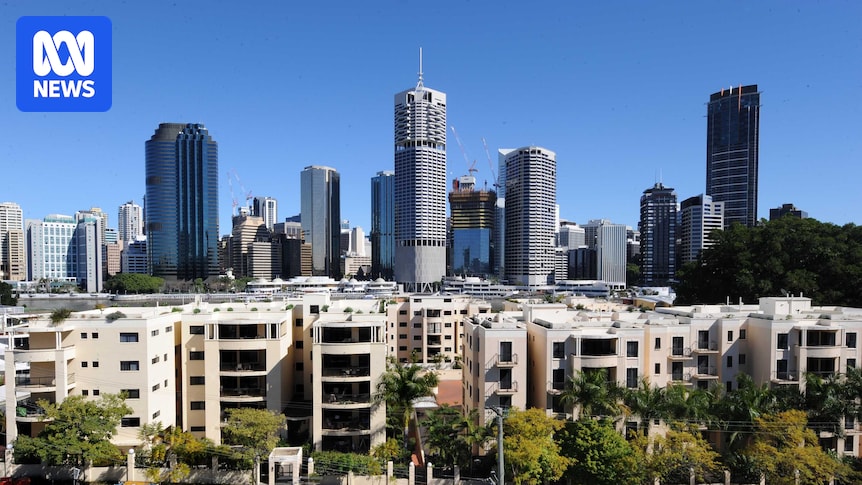
Block sizes and car parking requirements would be slashed and building heights increased across Brisbane under a plan the council says will “boost” housing supply.
In May, Brisbane City Council launched a review into low-to-medium density residential zoning, which makes up about 14 per cent of Brisbane.
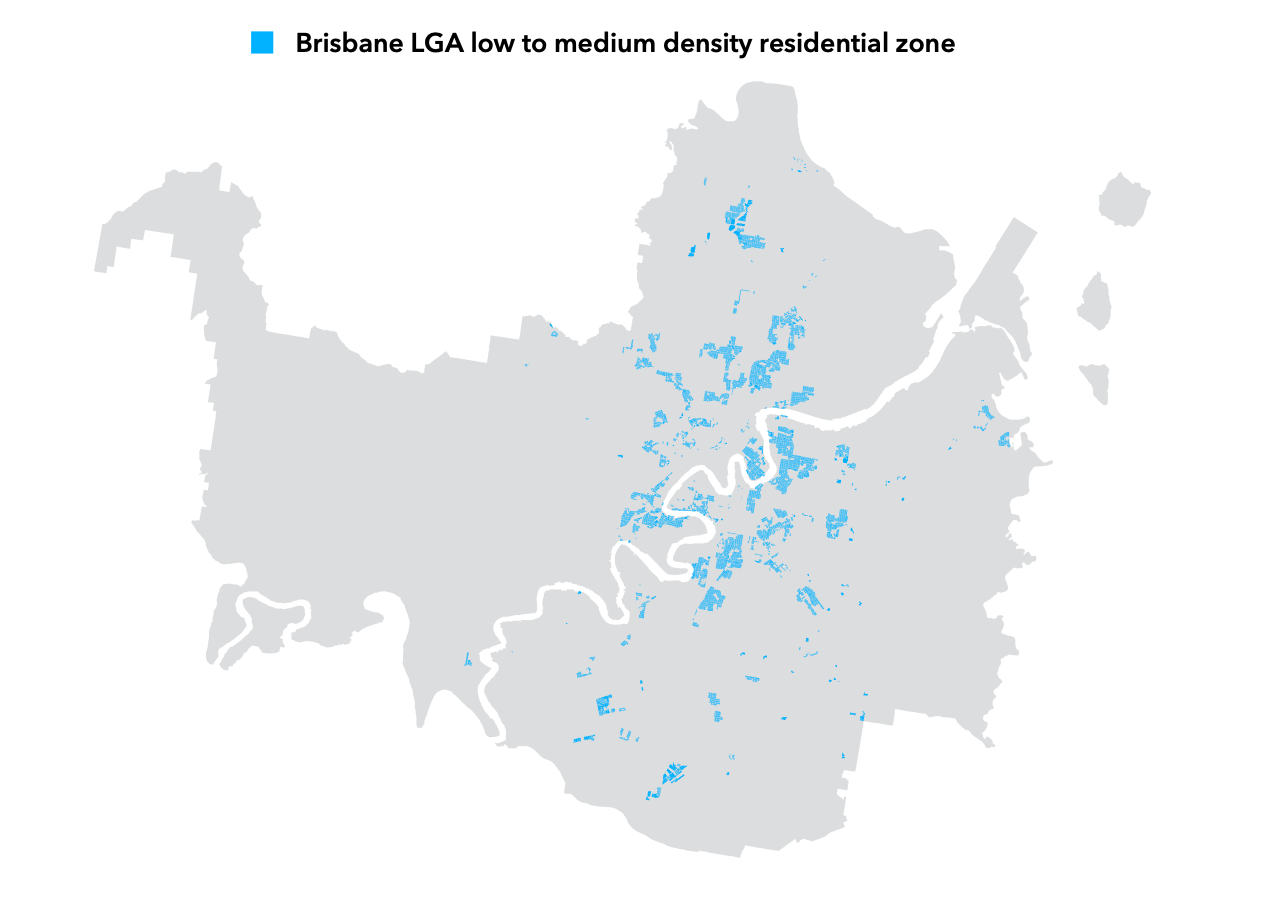
About 14 per cent of Brisbane is zoned low-to-medium residential. (Supplied: Brisbane City Council)
Lord Mayor Adrian Schrinner said the proposed plan was part of the LNP council’s “anti-sprawl” approach to increase housing availability.
“Brisbane is growing fast and all levels of government need to act decisively to boost housing supply,” Cr Schrinner said.
Brisbane City Council said the changes could allow for an additional 6,000 homes to be built by 2032.
Push for more small homes
Minimum block sizes would be reduced to 120 square metres under the new plan — less than half the current required minimum block size of 260 square metres.
According to the council, the zoning change proposal is expected to allow for more approvals and the construction of smaller dwellings, such as units and townhouses.
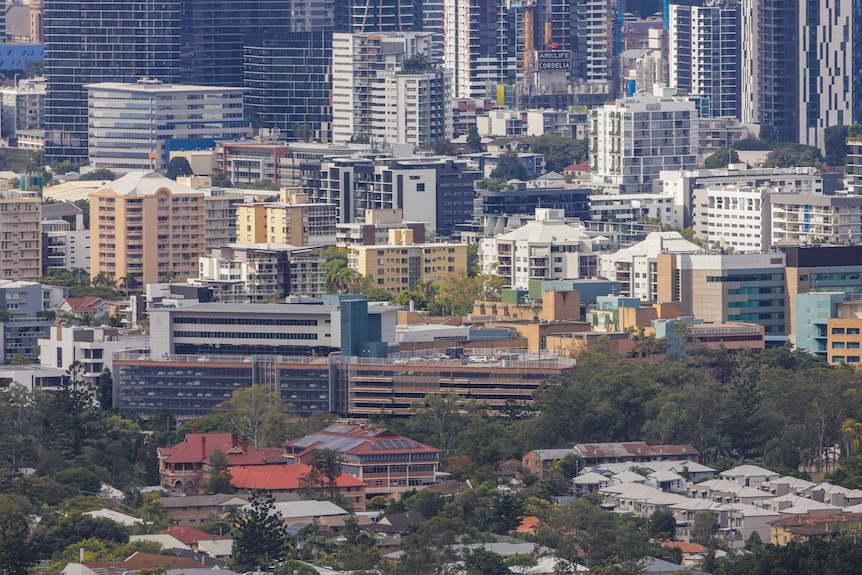
The changes would apply to the 14 per cent of Brisbane zoned low-to-medium density residential. (ABC News: Christopher Gillette)
It said more than half of all households in the city were either a single person or couple, but more than 70 per cent have at least three bedrooms.
“Our changes will help relieve construction cost pressures and make it easier for younger people and downsizers to find a home in well-serviced middle-ring suburbs,” Cr Schrinner said.
“If we want young people to have a real chance at owning a home then we need to do things differently.”Parking spaces reduced under plan
The proposed changes would also see allowable building heights increased from two to three storeys to three storeys, with up to four storeys allowed in some areas near transport or shopping.
Properties would be able to subdivide into 300 square metre lots if they are within 300 metres of a shopping centre — up from 200 metres under current regulations.
YIMBYs vs NIMBYs in the battle for your backyard
Parking space requirements would also be reduced, with the council saying mandating second spaces can add up to $82,000 to the cost of a new build.
The Labor opposition said it supported the council’s “anti-sprawl” approach, but wanted to ensure there was enough affordable housing.
“Supply is a big part of the solution, but it’s clear we need more and diverse housing options, not just luxury apartments locals cannot afford,” Labor council opposition leader Jared Cassidy said.
Cr Cassidy said the council should pursue an “equitable housing market” where people have access to public transport and social amenities, and urged the council to lobby the Queensland government.
“We also need council to be a loud advocate to the state government to support affordable housing targets in their [Priority Development Areas] and invest in supportive housing models which provide the only pathway out of homelessness for many people,” he said.
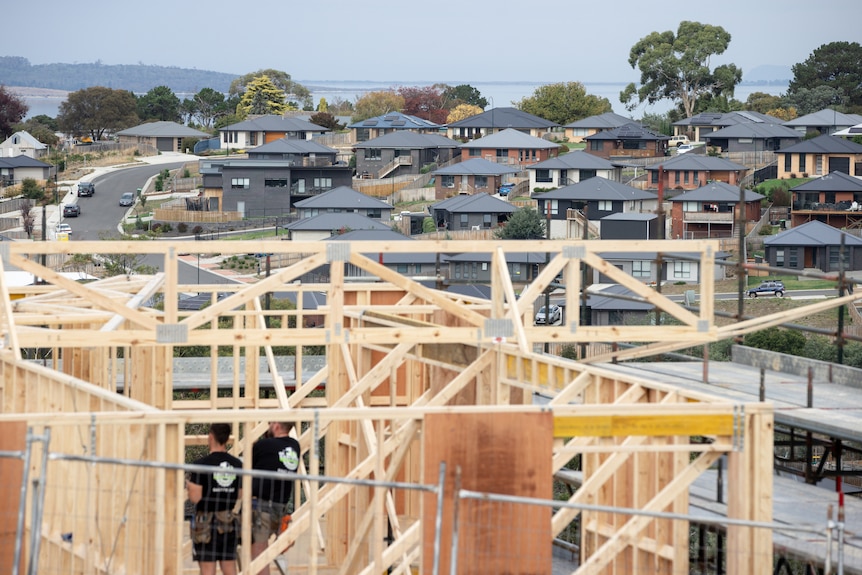
Maximum building heights in affected areas would increase to three storeys, or four if close to a shopping centre. (ABC News: Luke Bowden)
‘The target has been set in Queensland’
Paul Bidwell from Master Builders Queensland welcomed the proposed changes, pointing to state and national targets for housing.
“It’s all those areas where we will see significant, but not dramatic increase in density,” Mr Bidwell said.
“The target has been set in Queensland, 50,000 new homes each and every year. Nationally there’s a target of 1.2 million homes [over five years].”
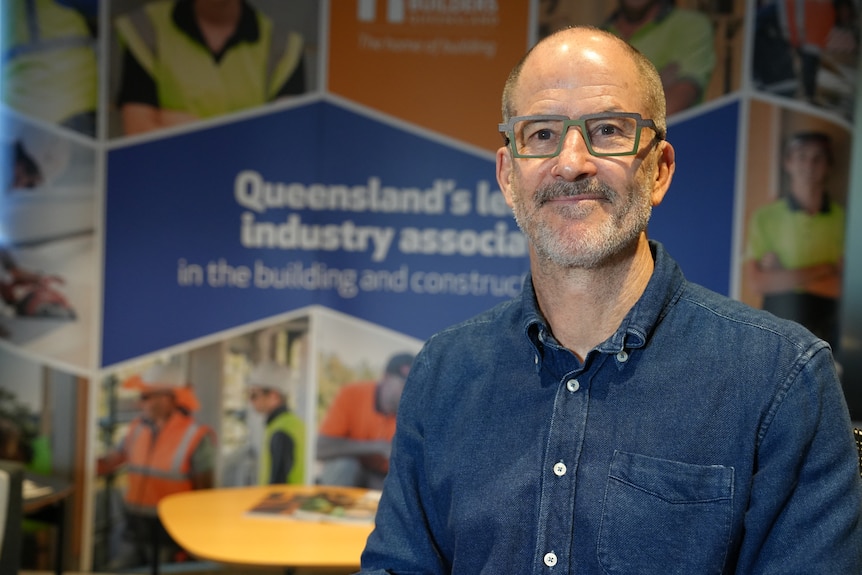
Paul Bidwell says the answer to the housing crisis lies in increasing supply. (ABC News: Glen Armstrong)
The council’s plan would also include streamlining the approvals process, which Mr Bidwell said would help to relieve construction pressure.
Describing the estimate of 6,000 new homes by 2032 as “ambitious”, he said the proposed changes would not add significant construction times onto new builds.
“I think it’s more an incremental change that can be accommodated within the existing workforce,” he said.
Formal consultation on the proposed changes will begin early next year.