
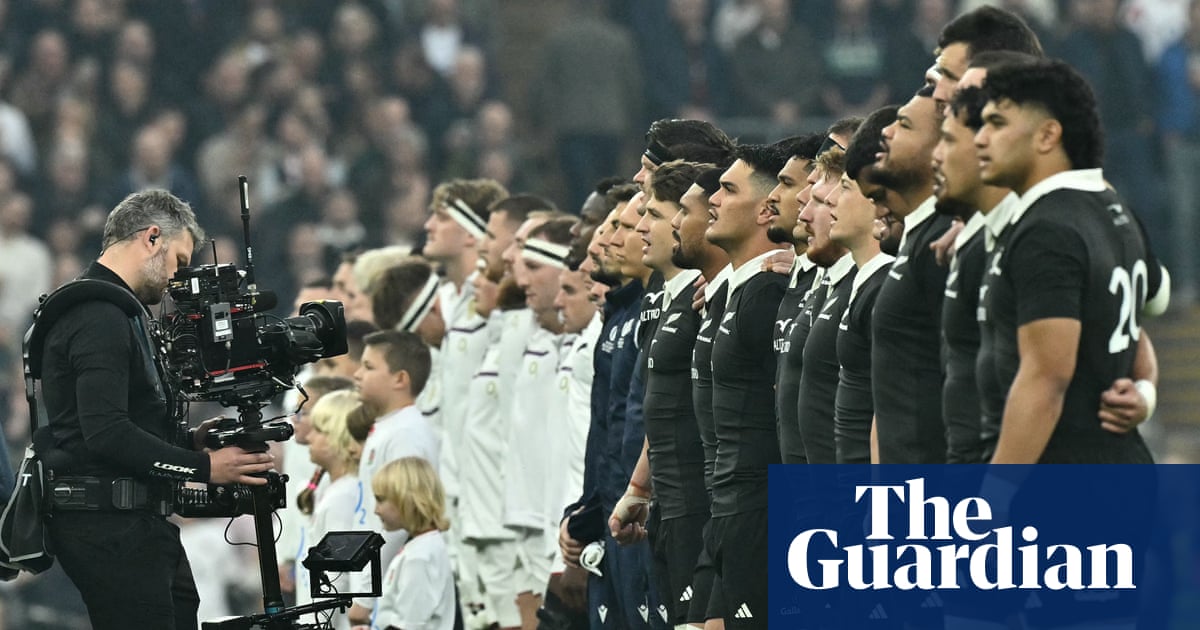
It has been a tough couple of weeks for TNT Sports, with the loss of three days of Ashes cricket due to England’s two-day defeat in Perth following on from some bruising rights negotiations.
On the eve of the first Test, the Guardian revealed TNT had lost UK rights to the Champions League to Paramount+, with Sky Sports picking up the decent consolation prize of Europa League rights, while this week it emerged that TNT has also lost the rights to international rugby union with ITV having paid £80m for the inaugural Nations Championship.
Senior figures at TNT are open about being “absolutely gutted” at losing the Champions League, which has been its biggest property since its predecessor BT Sport first bought the rights in 2013, but they do not regret the level of its bid, which was gazumped by Paramount. The value of the UK rights has increased from £1.2bn to £2.2bn, albeit over four years rather than three, with Paramount paying the lion’s share in a joint deal that gives Amazon Prime the first pick of one exclusive match per round.
“We have a clear business model, and in rights negotiations there is only a certain level we will go to,” a TNT source said. “BT Sport built an incredible business, but their losses were huge and we could not continue to operate in that way.”
A look at TNT’s finances demonstrates why, with the company formed by the merger of Warner Bros Discovery (WBD) and the BT Group in 2022 still losing significant sums. Accounts for TNT Sports Broadcasting Limited submitted to Companies House this year show losses to July 2024 of £148m, although that figure is understood to include numerous exceptional items and start-up costs for the joint venture, which is projected to break even soon.
The long-term future for TNT is also unclear, as Warner Bros. Discovery is the subject of a takeover battle that has seen it attract bids from Paramount Skydance, Netflix and Comcast, the owners of Sky Sports.
Ironically the loss of the Champions League could help TNT break even in the short term, as offsetting about £1bn of rights fees will present opportunities. While TNT accepts it will inevitably lose subscribers, it is already planning to mitigate that process by buying other rights, and is even considering dropping the price, which was increased to £30.99 per month last summer after the WBD-owned Eurosport ceased operating as a standalone broadcaster with its content added to the TNT platform.
The loss of Champions League rights could help TNT break even in the short term. Photograph: Julian Finney/UEFA/Getty Images
TNT has also taken some consolation from the fact that BT Sport did not lose any subscribers when Amazon broke up its exclusive offering by winning the first-pick package of Champions League games for the first time in 2018, since when the breadth of the channel’s coverage has increased considerably.
TNT’s strategy since the WBD/BT merger has been to acquire a broader portfolio of content, snapping up international cricket, English club rugby and the FA Cup for the first time this season to supplement Eurosport’s existing offering of the French and Australian Open tennis, World Tour cycling and the Olympics.
“It’s not as if there is a fire drill happening,” another TNT source said. “We’ve got 18 months to really think about other opportunities regarding pricing, packaging and buying other rights. We’ve already got a broader portfolio of content than ever before, and the FA Cup seems like a very timely acquisition now.”
While losing the Champions League was a shock, TNT walked away from the Nations Championship auction without making a bid, having broadcast the autumn internationals for the last two years. TNT is understood to have regarded that contract as a test of whether international rugby would drive sufficient subscribers to justify a long-term investment, and concluded that it did not.
Too many casual rugby fans cancelled immediately after the tournament, with TNT’s year-round offering of the Prem not deemed attractive enough to retain them. As a result, TNT would have wanted a discount on its existing fees to buy the Nations Championship, and with ITV willing to pay £80m for two tournaments the free-to-air broadcaster won the auction unopposed.
TNT’s difficulties are not new for companies seeking to take on Sky, who have dominated the UK sports broadcasting market since buying exclusive rights for the first Premier League season in 1992.
While BT fared better than most of Sky’s rivals, the cost was stratospheric. Around £200m of annual losses in its sports business was justified on the grounds that it succeeded in driving football fans to buy BT’s broadband services, but with TNT aiming to obtain profitability, it faces an even greater challenge.