
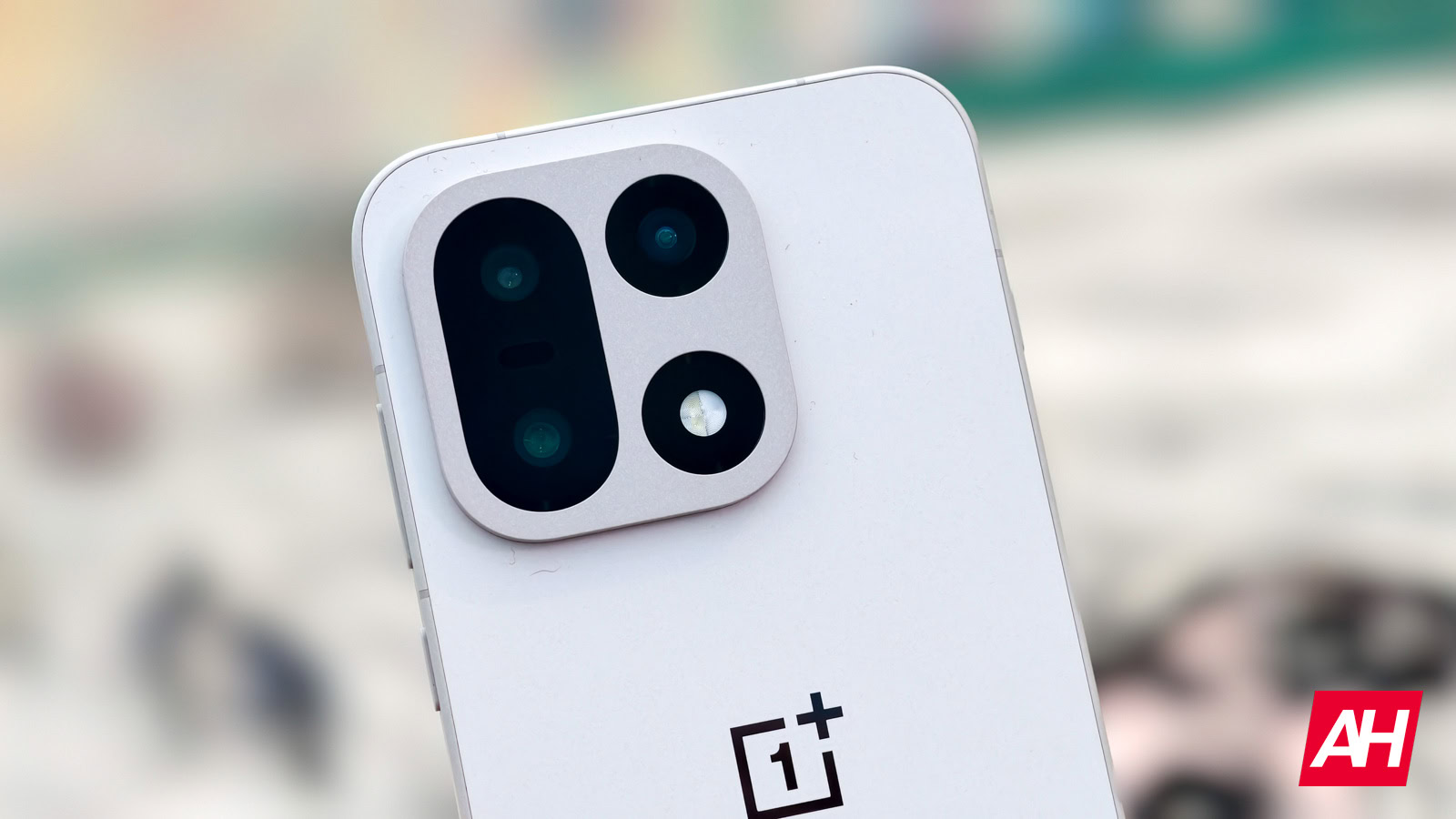
OnePlus recently launched its flagship device, the OnePlus 15, to global markets. The company heavily promoted the AI capabilities available within the latest OxygenOS 16. They are not available exclusively on the latest device, though, as several other handsets will get them with Android 16. However, the excitement around this tool could soon be overshadowed by an emerging controversy. According to some reports, the OnePlus AI assistant is showing Chinese-level political censorship even on global devices.
Some recent reports from users, predominantly based in India, claim that the OnePlus AI features—including the writing assistant within the Notes app—malfunctions or completely refuses to generate output when prompted with specific, politically sensitive terms for China.
OnePlus AI reportedly blocks prompts about Taiwan and the Dalai Lama: Chinese Censorship?
Users reporting the issue found that mentioning specific terms related to contentious regions or political figures causes the AI service to abruptly fail. For instance, attempts to use the AI to discuss the Dalai Lama trigger an immediate block. Referencing Arunachal Pradesh as a part of India leads to the same result. Similarly, asking the AI about Taiwan, even in a neutral context, can render the service unavailable.
According to reports, the AI would begin to process a request—such as a prompt about certain Chinese leadership figures—but would immediately scrub the attempted output or simply crash the service, preventing the user from receiving any response at all. The system otherwise works perfectly well when dealing with non-political or local subjects. This may be confirming that the blocks are topic-specific.
The source of the concern
The conclusion drawn by affected users is that the OnePlus AI assistant must be relying on a Large Language Model (LLM) that is hosted in China. Another possibility is that it is strictly subject to the content regulations imposed by the Chinese government. These regulations rigidly govern the mention of topics deemed sensitive or contrary to the government’s official stance.
The core issue for global consumers is the application of these censorship rules. Devices sold outside of mainland China should not be showing this behavior. For Indian users, the refusal of their phone‘s AI system to acknowledge Indian territory, like Arunachal Pradesh, could be a source of frustration and anger. This situation presents a greater transparency issue, leading consumers to demand clear answers. Users want clarification on which specific AI model powers the system and whether that model is hosted under Chinese jurisdiction.
As these reports start surfacing, the pressure is mounting on OnePlus. The company should clarify the origin of its AI technology soon to quell the controversy. It should also commit to implementing a neutral, globally compliant model for all international versions of its software. Let’s hope for an official response—and a solution—to this reported problem soon.