
Mark NormanBBC South East health correspondent
 Getty Images

NHS data for 30 November saw 462 patients in Kent and Medway ready for discharge, 118 in Surrey and 614 in Sussex
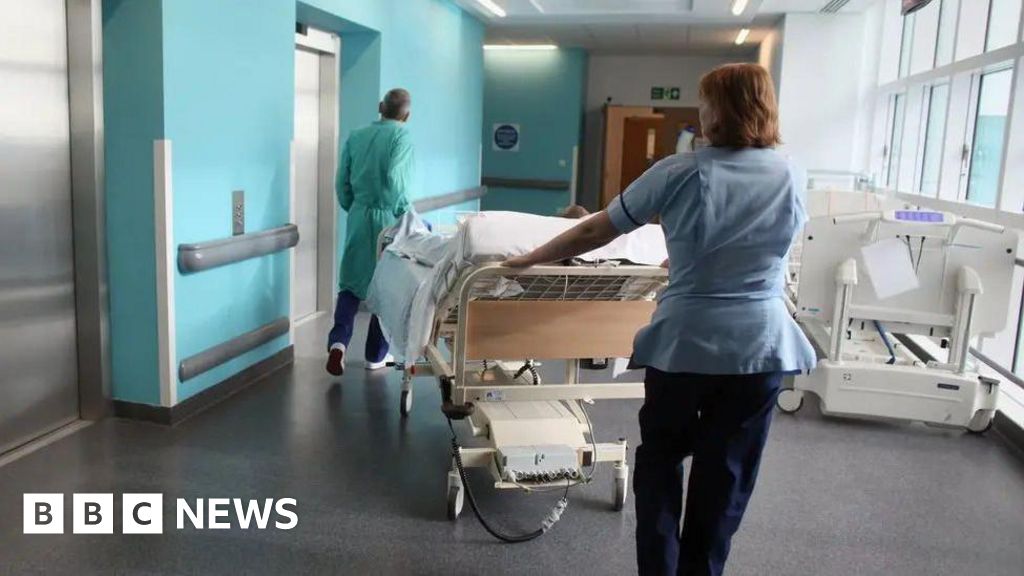
More than 1,000 patients across Kent, Sussex and Surrey are occupying hospital beds despite being medically fit to leave, according to the latest NHS figures.
Bed blocking affects the availability of space for incoming patients, which leads to delays in A&E departments and delayed ambulance handovers.
On 30 November, NHS data showed 462 patients in Kent and Medway, 118 in Surrey and 614 in Sussex were ready for discharge.
The NHS said patients who wait longer to leave often have “complex” health and care needs. Kent and Sussex branches said they work with trusts and partners to find the right support.
Patients can be delayed for a range of reasons, including shortages of social care staff to provide home care and a lack of beds in nursing or residential homes.
Other factors include delays in assessments and funding, and difficulties arranging home adaptations for those returning to their own homes.
University Hospitals Sussex NHS Trust which runs the Royal Sussex County Hospital in Brighton, the Princess Royal in Haywards Heath, and the hospitals in Worthing and Chichester had 352 patients medically fit for discharge and who no longer met the criteria to reside.
That represents a little over 20% of their bed capacity.
Medway Maritime Hospital in Gillingham, Kent had 113 patients unable to leave hospital on that date which is approximately 19% of its bed capacity.
East Kent Hospitals operates three large hospitals in Margate, Canterbury and Ashford and had more than 18% of its beds occupied by patients ready to leave.
The Health Foundation – which says it aims to bring about better health and care – has said patients who stay in hospital when they are ready to be discharged are “at higher risk of hospital-acquired infections and of losing mobility and independence”.
“Delays in discharging patients also impacts on the availability of hospital beds, leading to delays in ambulance handovers and in admitting patients from A&E,” the charity said.
A spokesperson for NHS Kent and Medway said: “Many patients leave hospital every day when they are well enough to go home, thanks to the hard work and dedication of NHS and social care staff.
“Supporting patients to return to their own home, where possible, is better.”
Dr Amy Dissanyake, interim chief medical officer at NHS Sussex, said partners work “closely together to make sure that people who are well enough can return home, or move on to the care and support that is right for them”.
She added: “Although the number of people waiting to leave hospital is lower than at this point last year, it is still higher than we would want it to be, and our teams are doing everything they can to support safe and timely discharge during this busy winter period.”