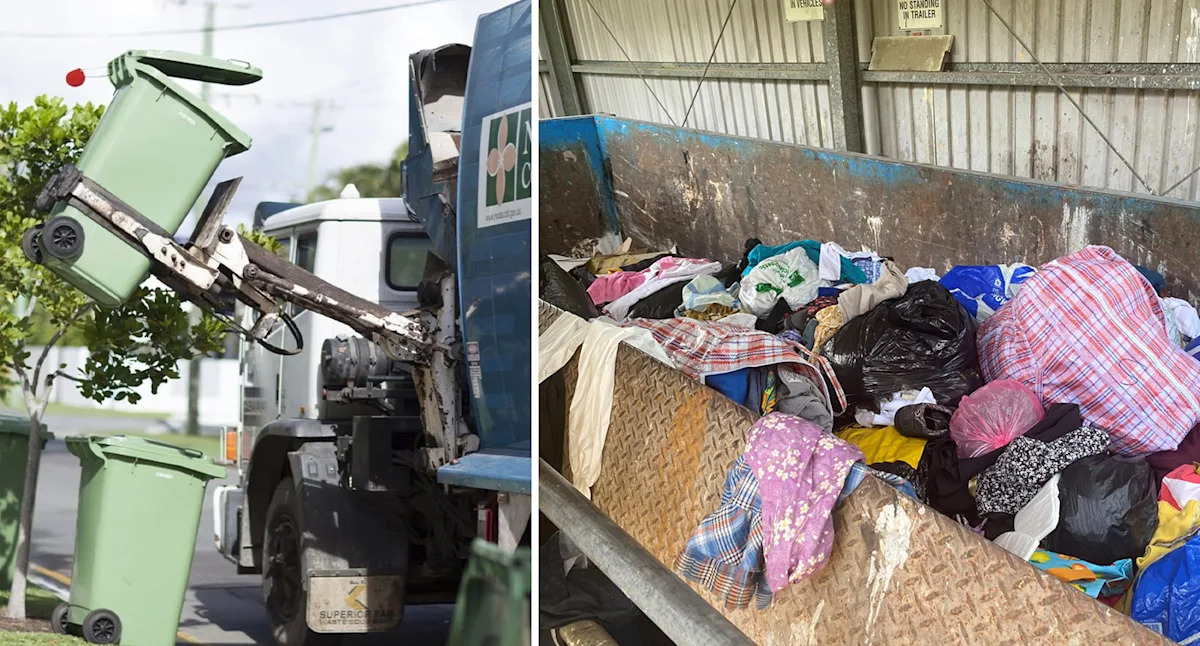
An Aussie council is urging shoppers to pause and think before they snap up a spur-of-the-moment present for Christmas. The plea comes after authorities in Noosa, a popular tourist spot in Queensland, revealed the local tip is seeing two tonnes of clothing dumped every single week.
One in every three garments ends up in landfills across Australia within a year of being purchased, and it’s taking a massive toll on the beachside town’s resources, the council warned locals online this month.
The amount of clothing being dumped at its Waste and Resource Recovery Centre has increased in recent years, manager Kyrone Dodd told Yahoo News Australia.
“Currently we’re receiving more than two tonnes each and every week, not only from residents but op shops overwhelmed with stock they’re unable to sell,” he said.
And the problem will only get worse if people don’t start slowing down their shopping habits.
“Even though we are recycling more than ever before, the high volume of textile waste arriving each year threatens to prematurely fill our finite landfill space,” Kyrone explained.
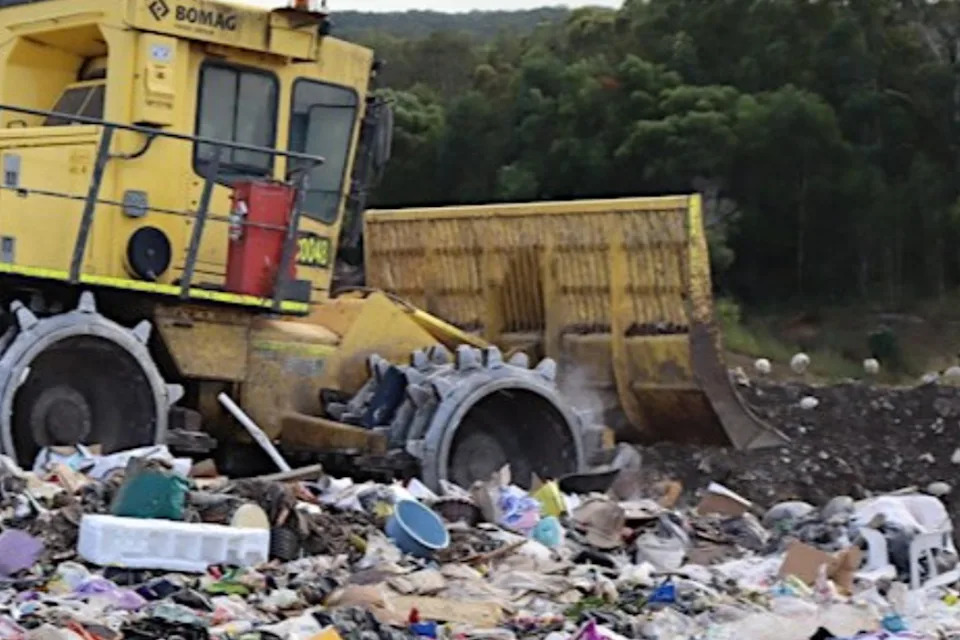
The high volume of textile waste arriving at Noosa’s Waste and Recovery Centre each year threatens to prematurely fill the landfill space. Source: Noosa Council/Facebook
Shoppers should think twice before buying gifts this Christmas
Before whipping out their wallet this silly season, Aussies should carefully consider whether the gift they’ve chosen is wanted to needed, the waste centre manager continued.
“In Australia, 76 million tonnes of waste is produced every year, and this amount can increase by a significant 30 per cent over the Christmas period.”
Noosa Council has urged shoppers who spot something they want to wait 24 hours before hitting “buy now”.
It could not only make a huge difference to their bank account, but the planet itself.
Globally, fashion is the third largest polluting industry, after fossil fuels and agriculture, creating 10 per cent of the world’s greenhouse gas emissions.
“With an estimated $900 billion worth of presents set to go to waste, consider buying people an experience, rather than an item, such as a voucher for a restaurant meal, massage or movie screening,” Kyrone told Yahoo News.
“Encouraging loved ones to shop for second hand gifts, plants or baked goods is another great way to minimise waste this Christmas.”
Aussies’ obsession with fast fashion grows
Australia is the world’s second-biggest consumer of textiles per person per year, behind the United States.
Each resident disposes of a whopping 23 kilos of clothes annually, roughly the weight of a school-aged child.
According to environmental group Clean Up, each of us purchases almost 60 garments every year — most of which are made from non-sustainable, non-durable materials.
This has led to unsightly piles of abandoned clothes and broken household goods becoming a familiar sight outside charity shops and donation bins.
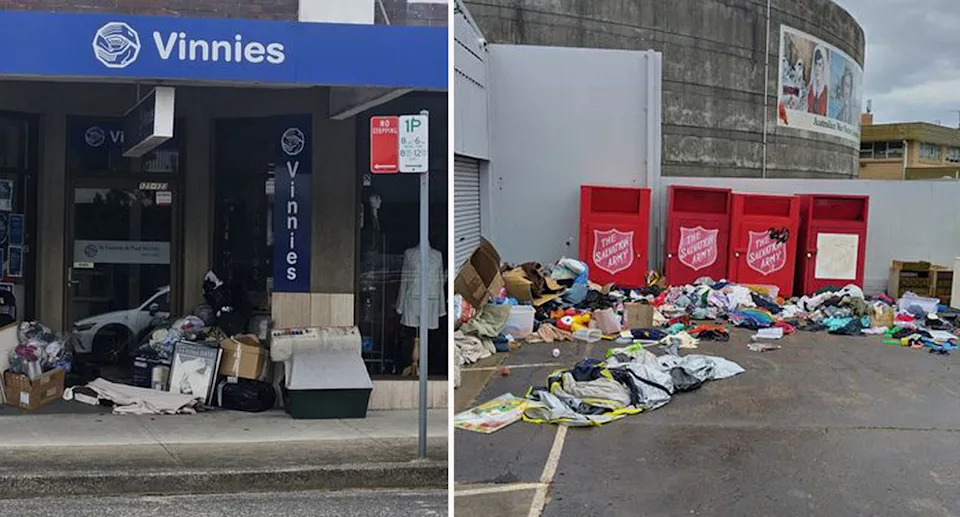
Often people just dump donations that cannot be used. Source: Facebook
The organisations say the sheer volume of fast fashion they’re receiving is overwhelming.
Anuja Mukim from the St Vincent de Paul Society (Vinnies) told SBS this week that some of the items they receive are stained, damaged or soiled.
They are unable to be sold and therefore end up in the landfill.
While others haven’t even been worn.
“We’re seeing a lot of fast-fashion brands come through new with the price tag still on,” she said, noting they make up 30 per cent of all donations.
“People are buying on impulse and then not wearing it.”
Because of this, the quality of donations has been impacted.
“Fourteen per cent of clothing donations end up in landfill, and it’s mostly because of fast fashion. Fast fashion isn’t made to last,” Anuja said.
“It rarely survives a second life. It’s made for us to just keep consuming and moving on.”
Do you have a story tip? Email: newsroomau@yahoonews.com.
You can also follow us on Facebook, Instagram, TikTok, Twitter and YouTube.