
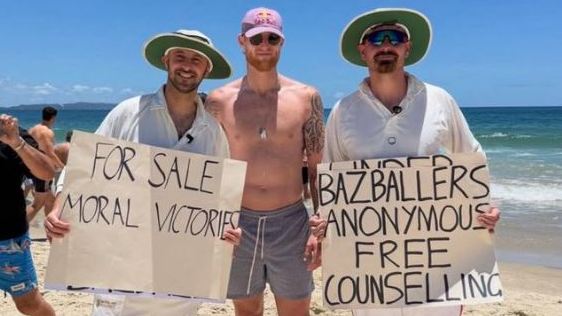
The defining image of the 2021-22 Ashes is often taken to be the final wicket of Ollie Robinson backing so far away that he was off the cut strip when bowled — a measure of England’s final collapse and surrender. For the players on that tour, though, it might have been the inadvertent team photograph taken of them huddling under the wing of their plane on the tarmac at Sydney airport.
They had landed in Sydney for the fourth Test in their Covid-secure plane and disembarked on to a waiting bus, which they had assumed to be their transport to the team hotel. In fact, the bus belonged to the air crew and, it turned out, no one had ordered any onward transport for the touring party, so they gathered together under the only shade they could find — the wing of the plane — and waited on the tarmac for about an hour.
It is not hard to imagine the GIFs doing the rounds on the players’ WhatsApp group at that stage. Variations on “the wheels are off” looped endlessly, although by this stage on a disastrous tour in which they were 3-0 down, with only Sydney and Hobart to come, the wheels had long gone careering by the wayside. The Covid Ashes tour to 2021-22, was memorable for all the wrong reasons.
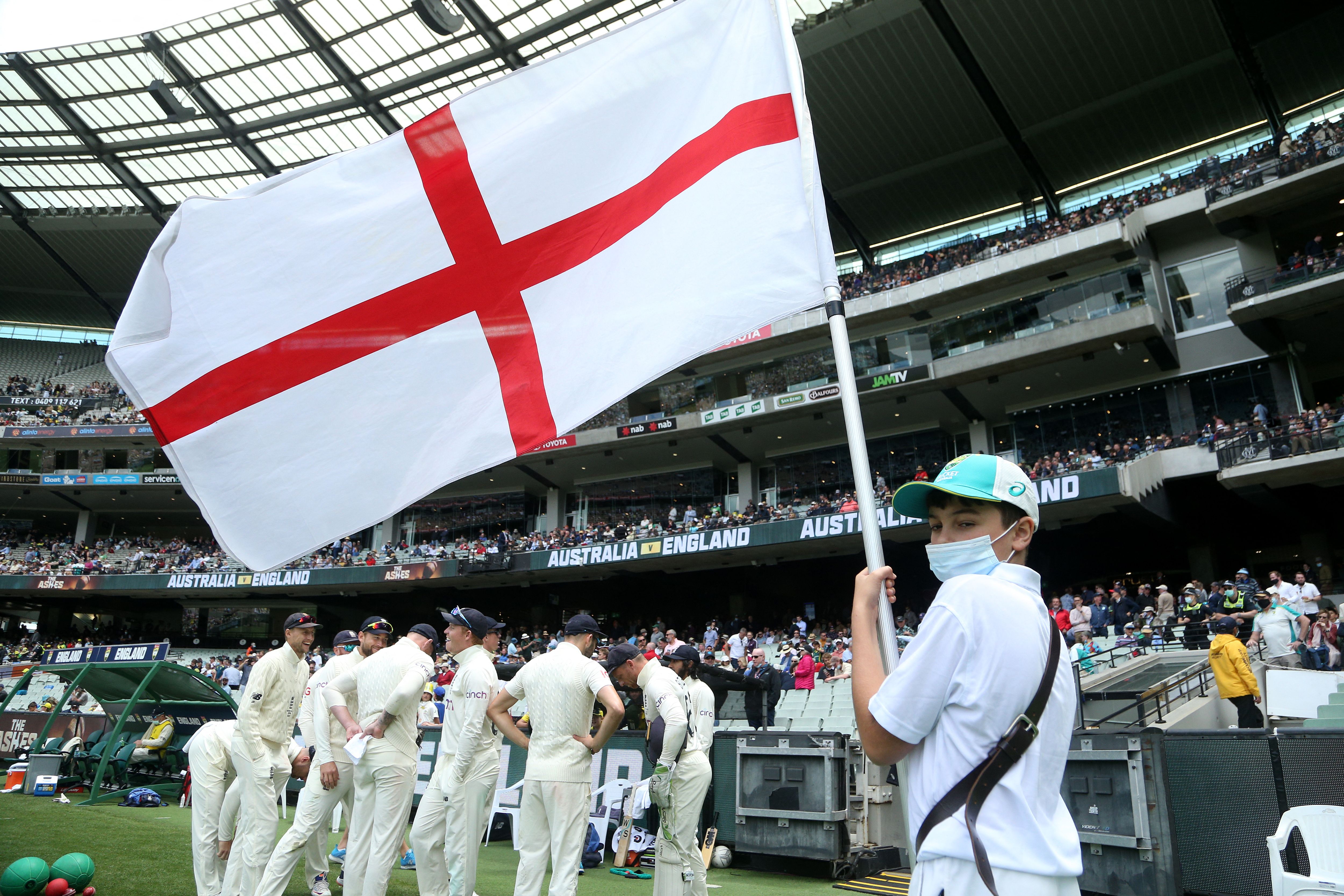
The England players were under numerous restrictions during the Covid 2021-22 tour
HAMISH BLAIR/AFP/GETTY IMAGES
There have been many theories put forward to explain Bazball. Among the most coherent came from Mike Brearley, who wondered whether the initial vivid expressiveness of the cricket under Ben Stokes was a response to his — Stokes’s — well-documented struggles with his mental health. It is also true to say that the players were very willing participants, having travelled extensively under Covid restrictions, of which that Ashes was the final straw.
Between January 30, 2020, when the World Health Organisation announced a health emergency, and the end of the Hobart Test on January 16, 2021, England played 23 Tests, 11 of them on the road (Australia played nine in that time, none away from home). For all that Joe Root’s captaincy had run out of road by then, it was an Ashes tour that imposed intense demands and paved the way for the liberation to follow under Brendon McCullum and Stokes.
Arriving in South Australia this week was something of a trigger point for those of us who came here four years ago. It was here that the need to comply with strict local regulations — each state had variations on the theme — chafed against inadequate infrastructure. Entrants had to take a Covid Test within 24 hours of arrival, for example, which led to some extraordinary night-time queues at the few testing centres.
It was here where Pat Cummins, now restored to the squad for the next Test after injury, was forced to stand down from the Test, being deemed a close contact to a confirmed case. South Australia had some draconian policies for those infected, so when a member of the press box was found to be Covid-positive, many journalists decamped to Melbourne immediately for fear of a fortnight’s isolation over Christmas.
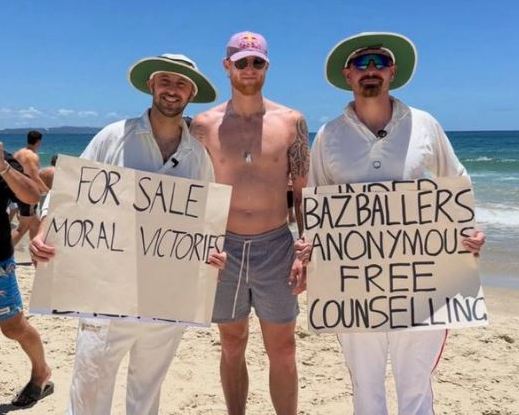
Stokes saw the funny side when some Australia fans prodded him on the beach as they took a break in Noosa
The players from that tour would have a story to tell from each state they visited, from the initial quarantine on the Gold Coast to the shambolic end in Hobart. There were many self-inflicted wounds as a result of poor cricketing decisions, of course, but it was also a tour that none of the participants remember with relish because of the Covid restrictions.
England’s attitude to their time off on this tour, and their present long-planned three-day sojourn to Noosa on the Sunshine Coast, can be understood partly in this context. Stokes touched on this (as did Root on landing in Perth) when he spoke at Allan Border Field before the second Test. He has been true to his word since, despite the shocking performance at the Gabba.
When asked about the local media’s desire to film them on the golf course, the beach or when out for lunch, he said. “If they think it is going to stop us enjoying this country when we have time off, then it is not going to do that. Australia is the best country to tour away from cricket. It is one of the important things on tour, when under pressure, to go out, free your mind and enjoy yourself.”
Pictures of England players enjoying themselves on the beach or at lunch has, no doubt, irritated supporters, especially after McCullum’s assertion that England had “over-prepared” for Brisbane, but the alternative of shutting themselves away in their room, eating bread and drinking water out of penitence, and doom-scrolling on social media is far worse. Had they done that, then accusations of a siege mentality, already bubbling up bizarrely after the first few days of the tour, would have surely followed.
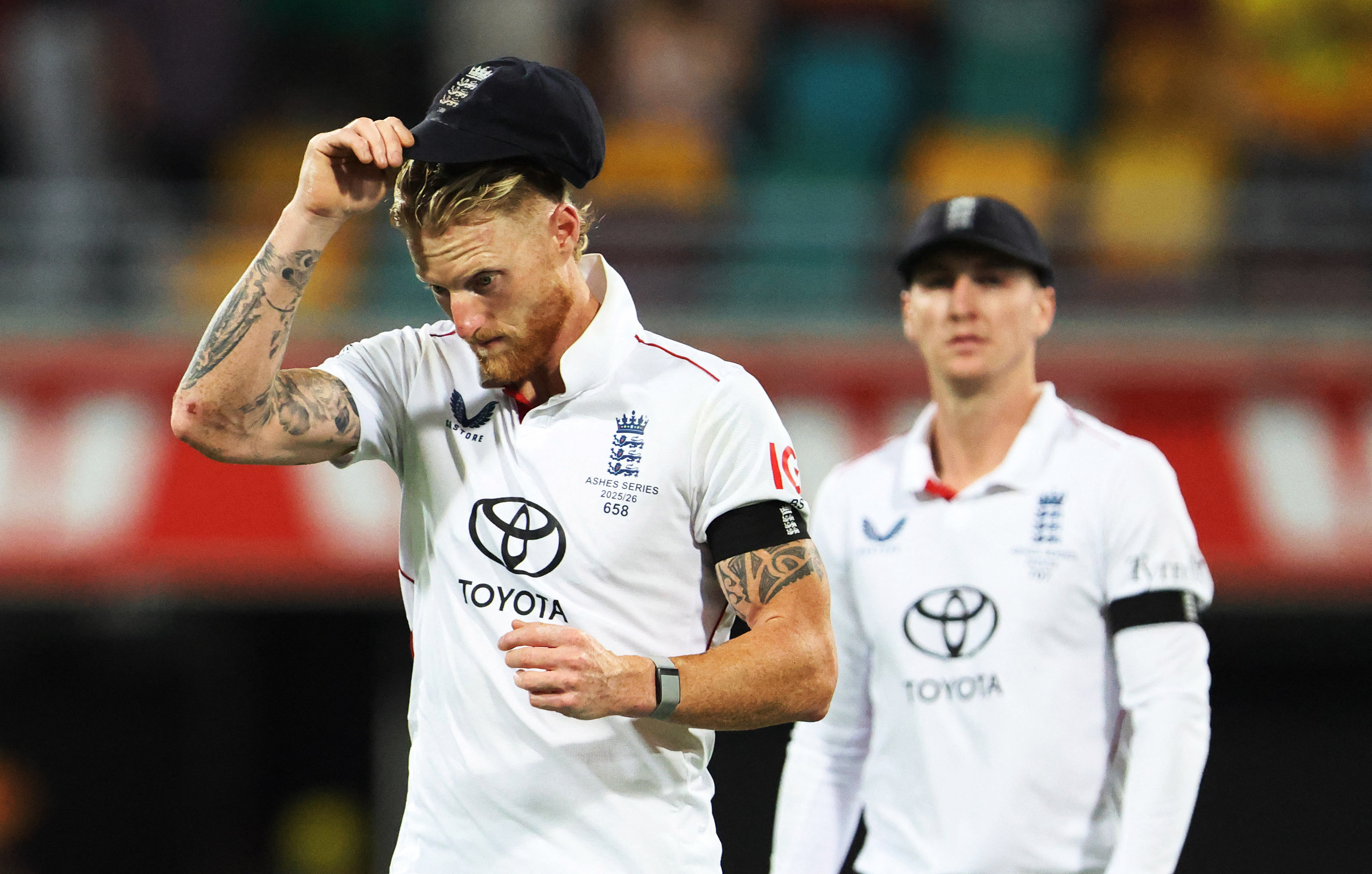
It is important for Stokes and his team to unwind during what can be a gruelling few months
HOLLIE ADAMS/REUTERS
I’ve been there, 2-0 down with a testing month to come, taking flak from all sides. While the natural response is to shut yourself away, it does no good, as your mind goes into overtime and plays its tricks. It actually takes strength of character to get out there, as Stokes did when collared for a selfie on the beach with local radio hosts carrying “humorous” signs designed to provoke a reaction, with paparazzi roaming around and the local media having a field day at your expense.
As someone who has often been critical of the present players’ incurious attitude to touring — ground to hotel and back again, rinse and repeat for two months — it would be hypocritical to change tack now. To repeat, the mistakes have not been the disinclination to play the two-day game in Canberra after Perth, or do naughty boy nets after the Gabba instead of hitting the beach at Noosa, but the wholly inadequate preparation at Lilac Hill before the first Test. It is too late to correct that now and has left them playing catch up.
McCullum’s view is that three days of nets before the Adelaide Test is sufficient, and that the extra two days of practice before Brisbane, organised after the Perth fiasco, was counterproductive, as too many nets can dull the competitive edge. So England arrive in the City of Churches on Saturday and get down to it again on Sunday, with reputations and jobs on the line. For all Noosa’s restorative powers, there is, ultimately, no hiding place.