


Image: Reuters
Once upon a time, radio news bulletins were the catalyst to our day. Radio delivered news on the hour, every hour. That was the way we discovered what was happening in the world.
Radio required us to make an appointment, and still does. Miss that appointed time, and you miss the news until the next hour.
And that is completely at odds with today’s expectations.
Who is going to wait 55 minutes to find out the latest update on the big news story of the day?
As the Bondi shooting tragedy has demonstrated, and as Senior Psychology Lecturer Evita March notes – today’s news audience is anything but passive:
“On social media platforms, we’re active consumers,” she says. “We sculpt and cultivate our news through immediate feedback, such as reacts or shares.”
The news cycle has always been a relentless, non-stop flow of information but now – driven by digital and social media platforms – everybody has access. Radio is no longer equipped to be the prime source of breaking news.
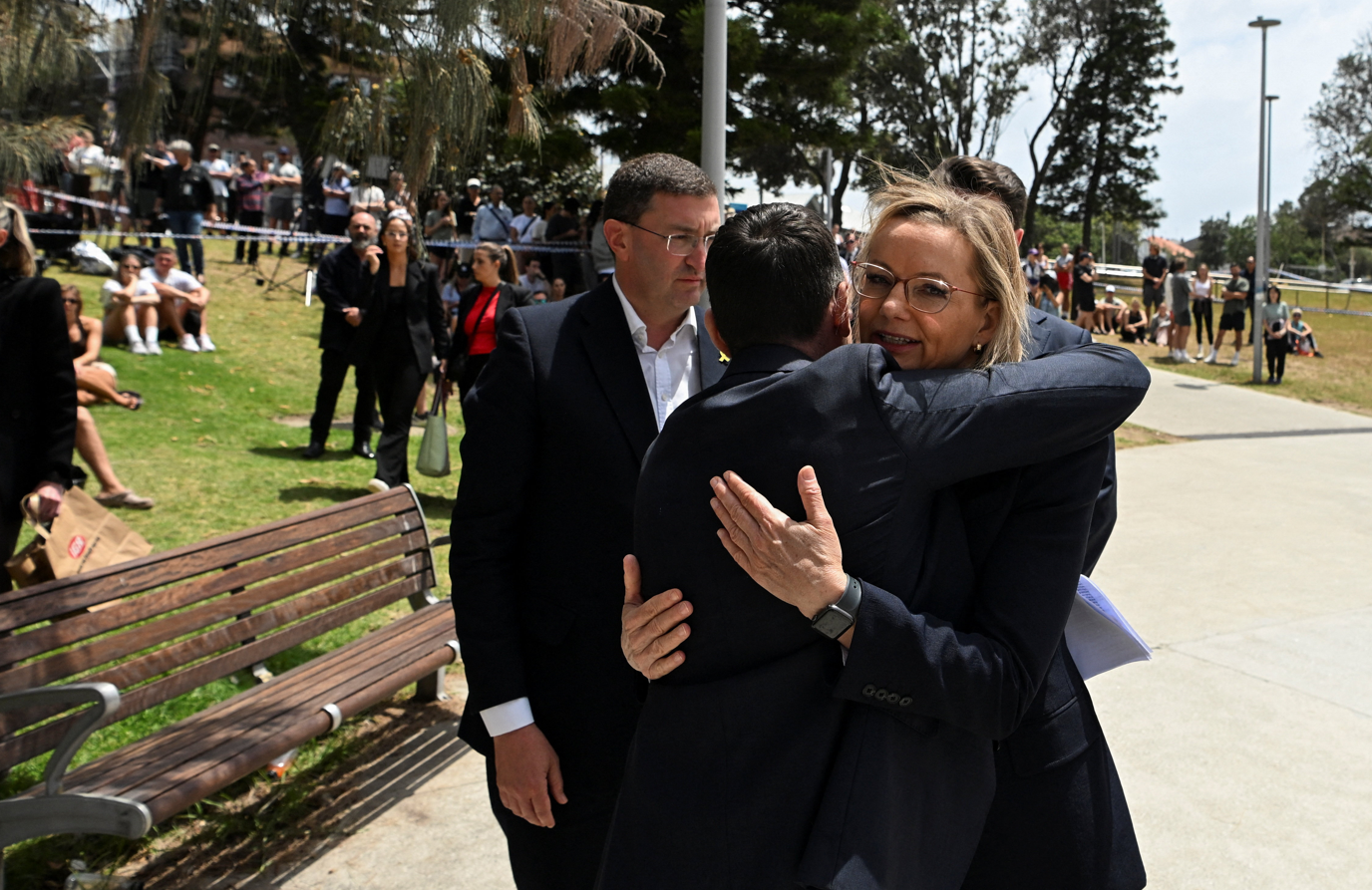
It, too, relies upon the on-the-spot social media sources to cover stories like the Bondi shooting tragedy as they are unfolding.
This being the case, why hasn’t radio kept pace? The days of big radio newsrooms is long gone. News is an expensive business, and you certainly don’t need an economics degree to work out the balance sheet.
Isn’t it time to reconsider when, how – and even if – radio news bulletins go to air?
There’s a reason why ABC News Top Stories consistently ranks among the nation’s top ten podcasts. It enables us to consume the latest breaking news at a time of our own choosing.
Social media platforms like Instagram and TikTok have now become a primary news source, especially for younger generations.
Radio news bulletins typically run on the hour – and in Breakfast, also on the half hour – because that’s what listeners have come to expect. This type of scheduling is also generally the least disruptive to programming.
That, at least, has been the long-held belief and justification of the strategy.
Keeping people informed is a vital and necessary part of any communications platform, and that includes radio.
Adapting the way that information is delivered is paramount to connecting to the audience.
Our appetite for news and information has never been stronger, and the available sources are endless.
Instead of reversing from the information super highway, radio needs to throw out the old newsroom thinking, strap itself in, and start delivering news and information in a way that not only reflects the needs of its audience, but also plays to radio’s strengths in being instantaneous, flexible, local … and personal.
Images: Reuters
This article is brought to you by Radio Release
