
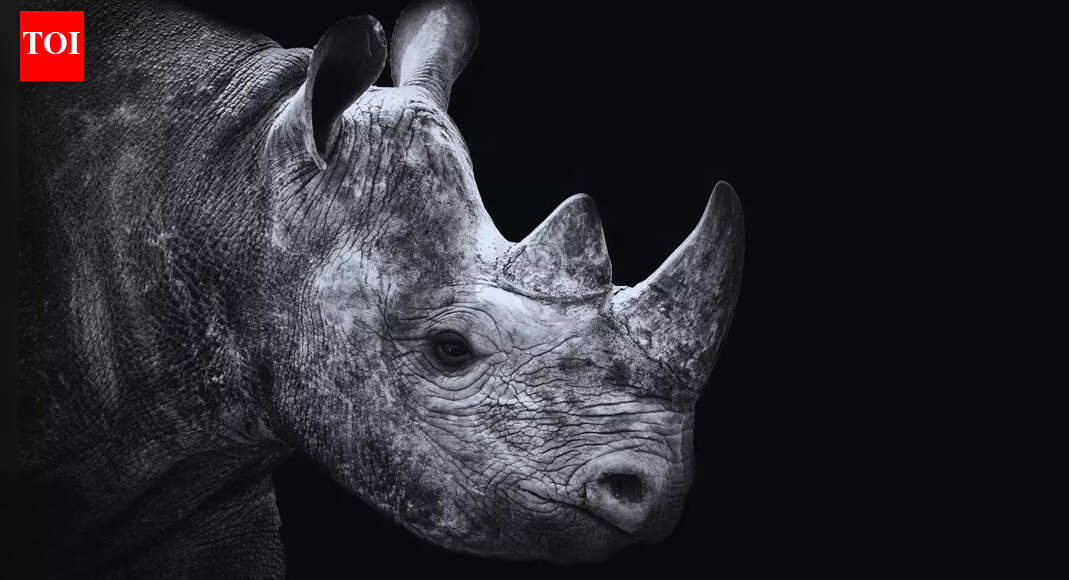
 A black and white image of a rhino Yes, you read that right. Animals that are no longer found in Indian jungles…it’s sad but true. India’s rich natural heritage has always been defined by its astonishing range of wildlife. From the Himalayan slopes to the Gangetic plains and the Western Ghats, the subcontinent once supported a mosaic of ecosystems that nurtured countless species. However, this incredible biodiversity has steadily eroded over the centuries. Hunting traditions, colonial sport-shooting, widespread deforestation, changes in land use and population growth dramatically reduced wildlife populations. Many species managed to survive in shrinking pockets, but a few vanished from India’s natural landscapes altogether. Let’s look at some of these animals that Indian forests had to say goodbye to.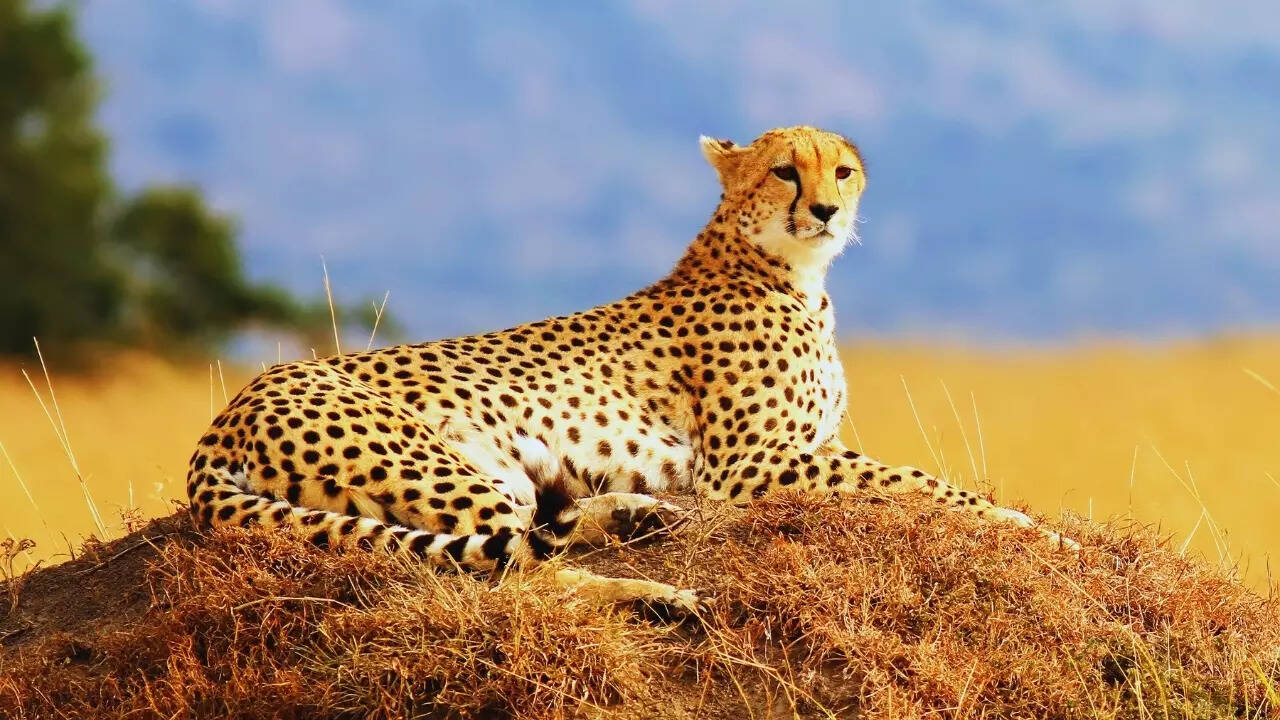
Indian Cheetah (Asiatic Cheetah)
Indian Cheetah (Asiatic Cheetah)
The Indian or Asiatic cheetah once dominated the country’s open grasslands and scrub forests. Historical evidence shows they roamed across Rajasthan, Madhya Pradesh, Uttar Pradesh and parts of the Deccan plateau. The Mughal emperors maintained thousands of tamed cheetahs for hunting blackbucks, and paintings from the era clearly depict the animal as a familiar presence in royal courts. The decline began long before the British arrived, but colonial rule accelerated the extinction dramatically. Cheetahs were shot for sport, their habitats were converted into agricultural fields and many were captured for coursing, a form of hunting where cheetahs chased down antelopes. By the 1940s, sightings had become rare. Sadly, the last three Asiatic cheetahs were shot and killed in 1948 by Maharaja Ramanuj Pratap Singh Deo of Surguja (present-day Chhattisgarh), and in 1952 the Indian government officially declared the cheetah extinct within national borders.But wait, the cheetah story is not over yet. The African cheetahs were introduced to Kuno National Park under the recent reintroduction programme. But they belong to a different sub-species and cannot replace the vanished Indian population. 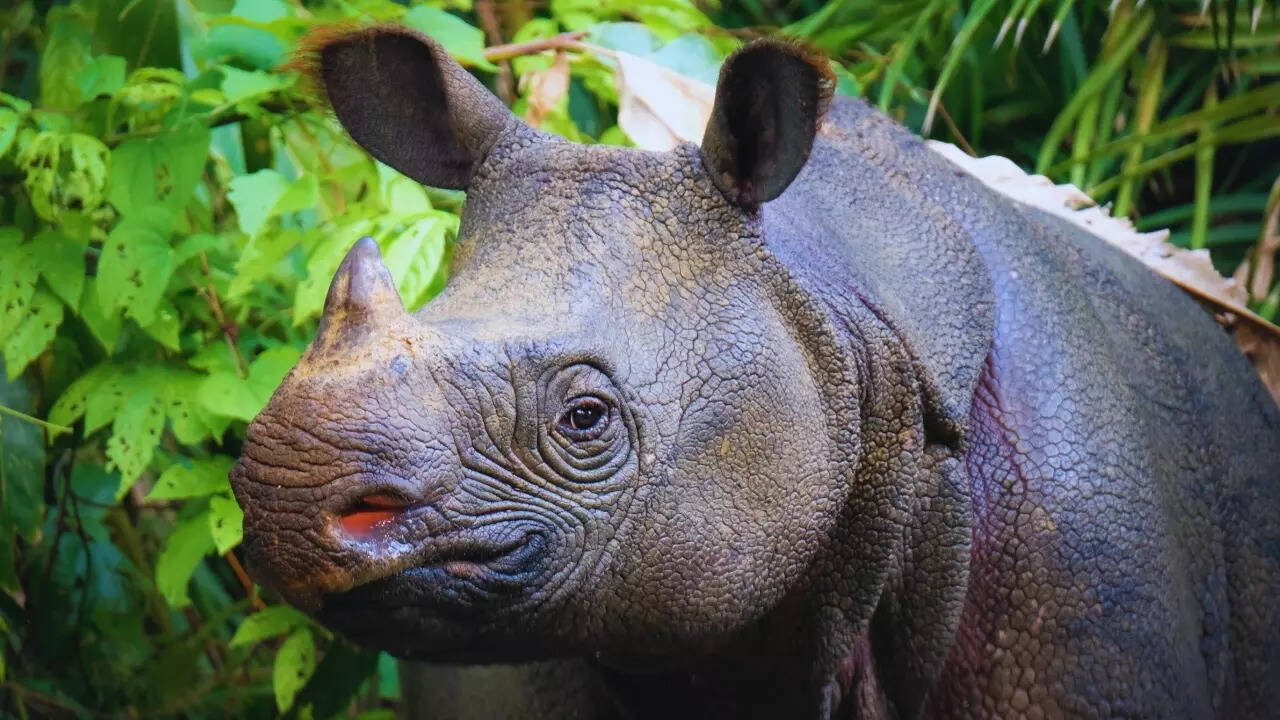
Javan rhinoceros
Javan rhinoceros
It may come as a surprise that the Javan rhinoceros, now one of the rarest large mammals on Earth, once roamed India’s northeastern wetlands—not just the island of Java in Indonesia. Historical records and early British accounts indicate that the species inhabited the floodplains of Bengal and Assam, where dense vegetation and marshy landscapes offered suitable habitat. By the early 20th century, the Javan rhino had disappeared from India altogether. Globally, the species has fared only marginally better: fewer than 80 individuals remain today, all restricted to a single protected area—Ujung Kulon National Park in Indonesia.
Northern brown wolf
The northern brown wolf is among the least-known animals to have vanished from India. This subspecies once ranged across the northern edges of the subcontinent, with fossil and historical records pointing to its presence in Himalayan border regions and the high-altitude steppes.Unlike the Indian wolf, which continues to survive in parts of central and western India, the northern brown wolf had a harsher fate. Habitat loss, human encroachment and direct persecution contributed to its decline. Since the species was naturally sparse and required vast open habitats, even modest landscape changes dramatically impacted its survival. Today, the northern brown wolf is considered locally extinct in India.
Himalayan quail
It’s been 149 years since anyone last saw the Himalayan quail…Few birds carry as much mystery as this one. This elusive species was last reliably recorded in 1876 near Nainital in Uttarakhand. Since then, not a single confirmed sighting has been documented. It’s not that there were no search operations, in fact, several extensive search operations were conducted over decades, resulting in nothing. It was believed that the quail inhabited steep grassy slopes and shrubby high-altitude regions. Maybe habitat degradation due to grazing, forest fires, predation by domestic animals and natural changes caused their state? We’ll never know for sure.
Pink-headed duck
The pink-headed duck, once a striking and unusual presence in the wetlands of the Gangetic plains and northeast India, is another species that has virtually disappeared. These ducks were known for their distinctive rose-coloured head and dark plumage, the duck was a prized sight for birdwatchers and naturalists before the mid-20th century. However, no one has seen them since the 1940s. Most experts now believe the species is globally extinct or extremely close to vanishing forever.