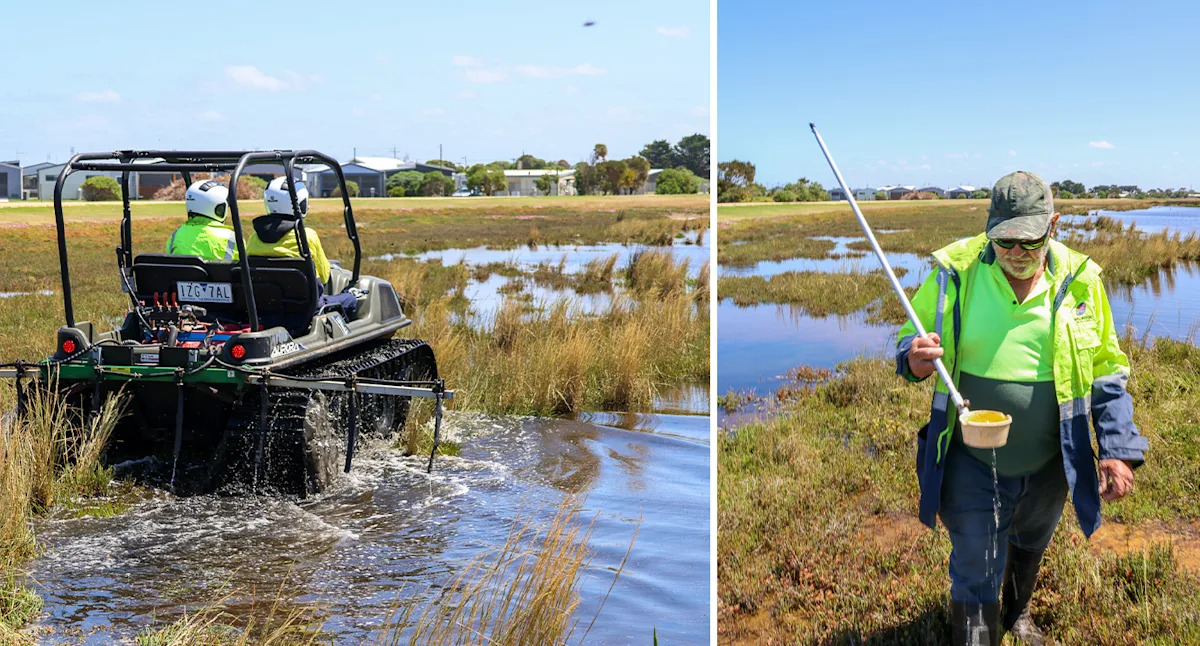
A worrying find in a coastal region popular among travellers has prompted an urgent summer warning. The plea comes after authorities in eastern Victoria conducted a routine check on a mosquito trap in Loch Sport, situated on Ninety Mile Beach, last week.
A sample from the area was revealed to contain Ross River virus (RRV) — a potentially serious and debilitating illness. The virus, which can trigger a fever, rashes, headaches, and joint pain and swelling, is not fatal but can impact some people for weeks or months.
A spokesperson for the Wellington Shire Council, which oversees the coastal region in question, told Yahoo News Australia it “operates a network of mosquito traps across key locations” every November to April, when temperatures begin to sizzle and “conditions are most favourable for mosquito breeding and virus transmission”.
“During this period, we conduct regular trapping, testing, and control activities,” the spokesperson explained.
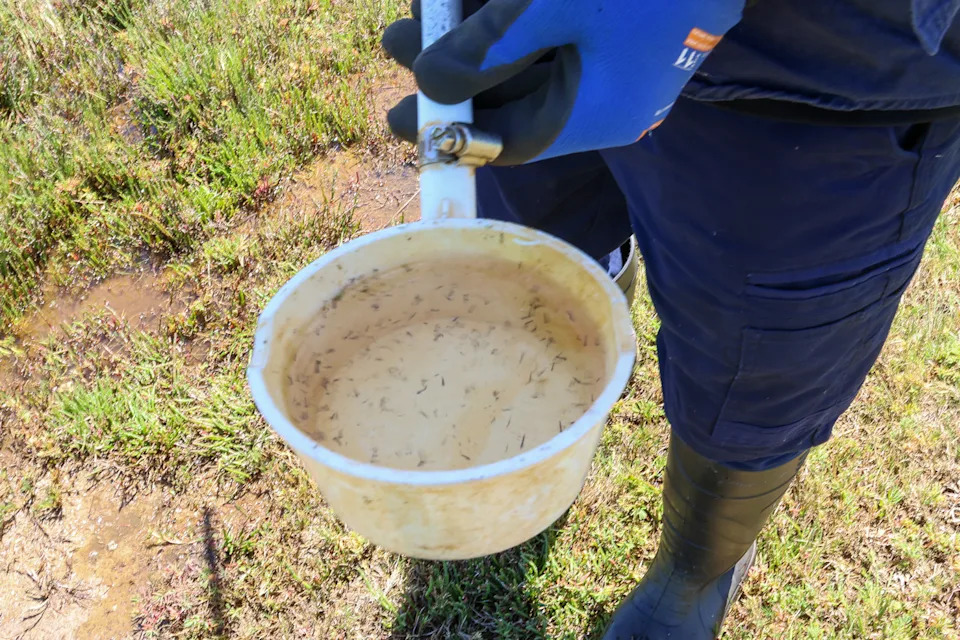
Authorities will continue to monitor mosquito traps for RRV. Source: Wellington Shire Council
While mosquito numbers appear to be average for this time of year, recent rain has led stagnant pools of water to form, creating an ideal environment for the annoying insects.
“Ross River virus is detected periodically in our region, particularly during warmer months,” the spokesperson continued.
“While detections vary from year to year, it is not unusual for positive samples to occur during summer following periods of rain.”
Authorities will continue to monitor and test all trap sites for RRV and Barmah Forest Virus, on top of larvae control work in wetlands and coastal areas.
However, with warmer weather and more rainfall on the way, everyone can “play a part in reducing the risk of mosquito-borne disease”, the council urged residents.
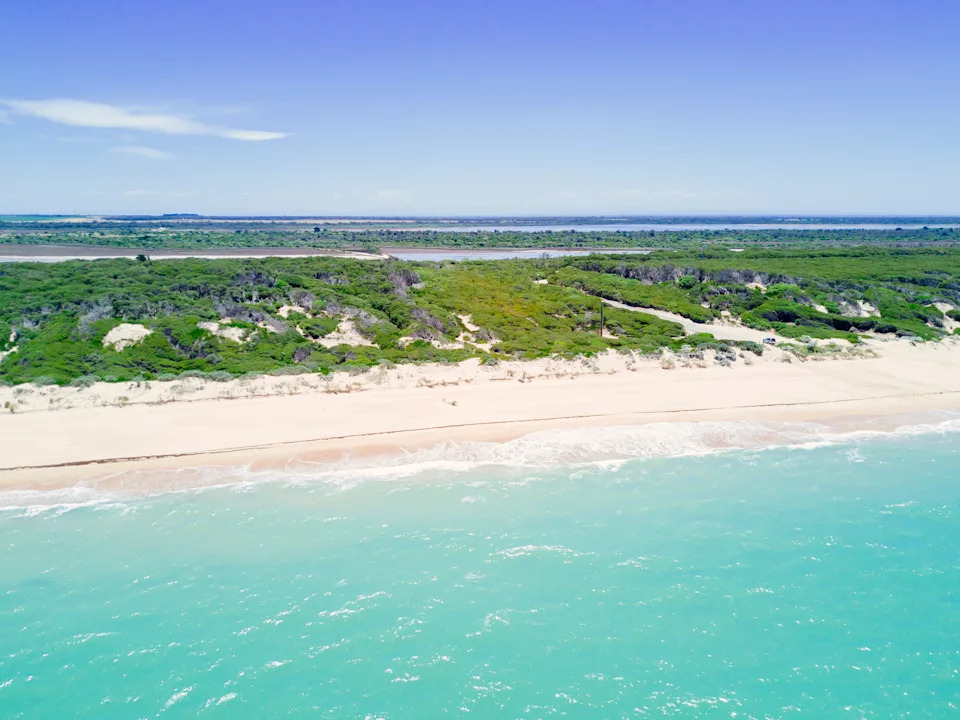
Ninety Mile Beach is a popular summer destination for travellers. Source: Getty
What is Ross River virus?
People can become infected with RRV in most regions of the country, with epidemics brought on from time to time by heavy rainfall, floods, high tides and temperatures.
University of Sydney associate professor Cameron Webb previously told Yahoo News that while most people who do contract the illness don’t feel unwell, it does vary from person to person.
“Many people suffer mild illness but others can experience fever, rash, joint pain, and fatigue. In some cases, the disease can impact them for many weeks or months,” he said.
“There are more than 5,000 cases of disease reported every year from across Australia, but there are likely many more people who suffer mild illness and never make the official statistics.”
According to Victoria’s Department of Health, it’s suspected mosquitoes pick up the virus from kangaroos, other marsupials, and wild rodents.
It’s then transferred to people when they are bitten by an insect carrying the illness.
Most people recover completely within three to six months.
There is no preventive vaccine available, so the best way to avoid the disease is by removing potential breeding sites from around the home, and covering up when heading outside.
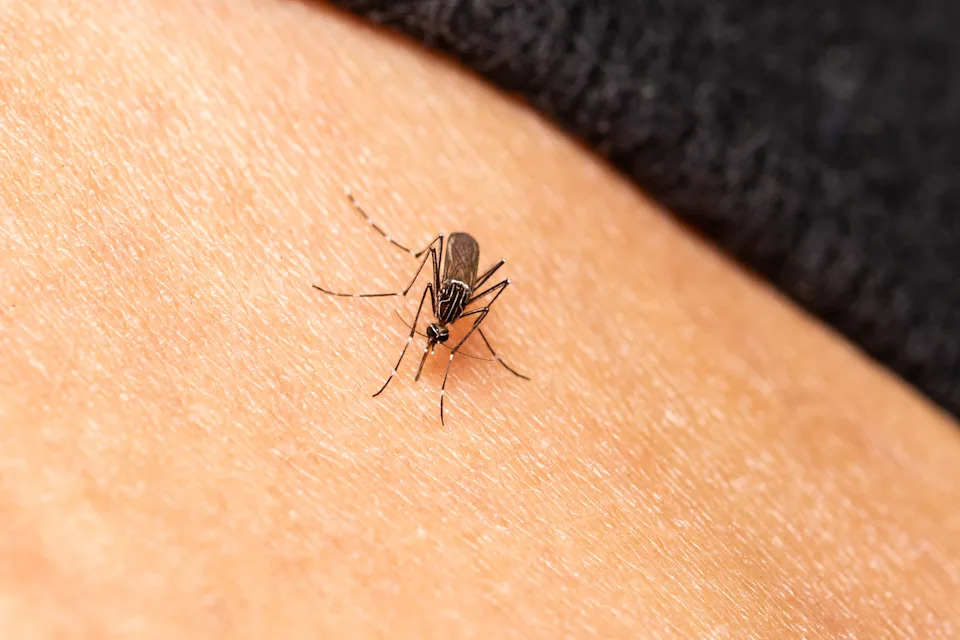
Aussies have been urged to keep themselves safe by covering up with light-coloured and loose-fitting clothing. Source: Getty
How can I avoid RRV?
The best protection is to avoid being bitten altogether. The Wellington Shire Council recommends doing the following:
Wear long, loose-fitting, light-coloured clothing, especially at dawn and dusk.
Apply insect repellent containing DEET or Picaridin to exposed skin and clothing.
Ensure windows and doors have intact fly screens; use mosquito nets when camping.
Remove stagnant water around your home (buckets, pot plant trays, tyres).
Change water in pet bowls, bird baths, and vases weekly; check rainwater tanks for proper screening.
Concerning health alert ahead of summer
While Australia is generally free from globally important mosquito-borne diseases such as dengue and malaria, there are some rare but very serious pathogens spread by the insect in some parts of the country.
They include the potentially deadly Japanese encephalitis virus and Murray Valley encephalitis virus, Professor Webb, who also works as a scientist for NSW Health Pathology, said.
Earlier this month, health experts issued a warning to residents in Victoria after Japanese encephalitis was detected in a mosquito trap in Horsham.
It’s the first recorded report of the mosquito-borne virus for the 2025-2026 season.
Since the first detection, the virus has been identified in NSW, with authorities confirming 60 local government areas were now considered higher risk of having the potentially deadly disease.
Another mosquito-borne virus, Kunjin, was detected in Cowra in Western NSW on November 20 during a routine health check through a sentinel chicken blood sample.
With NCA NewsWire
Do you have a story tip? Email: newsroomau@yahoonews.com.
You can also follow us on Facebook, Instagram, TikTok, Twitter and YouTube.