
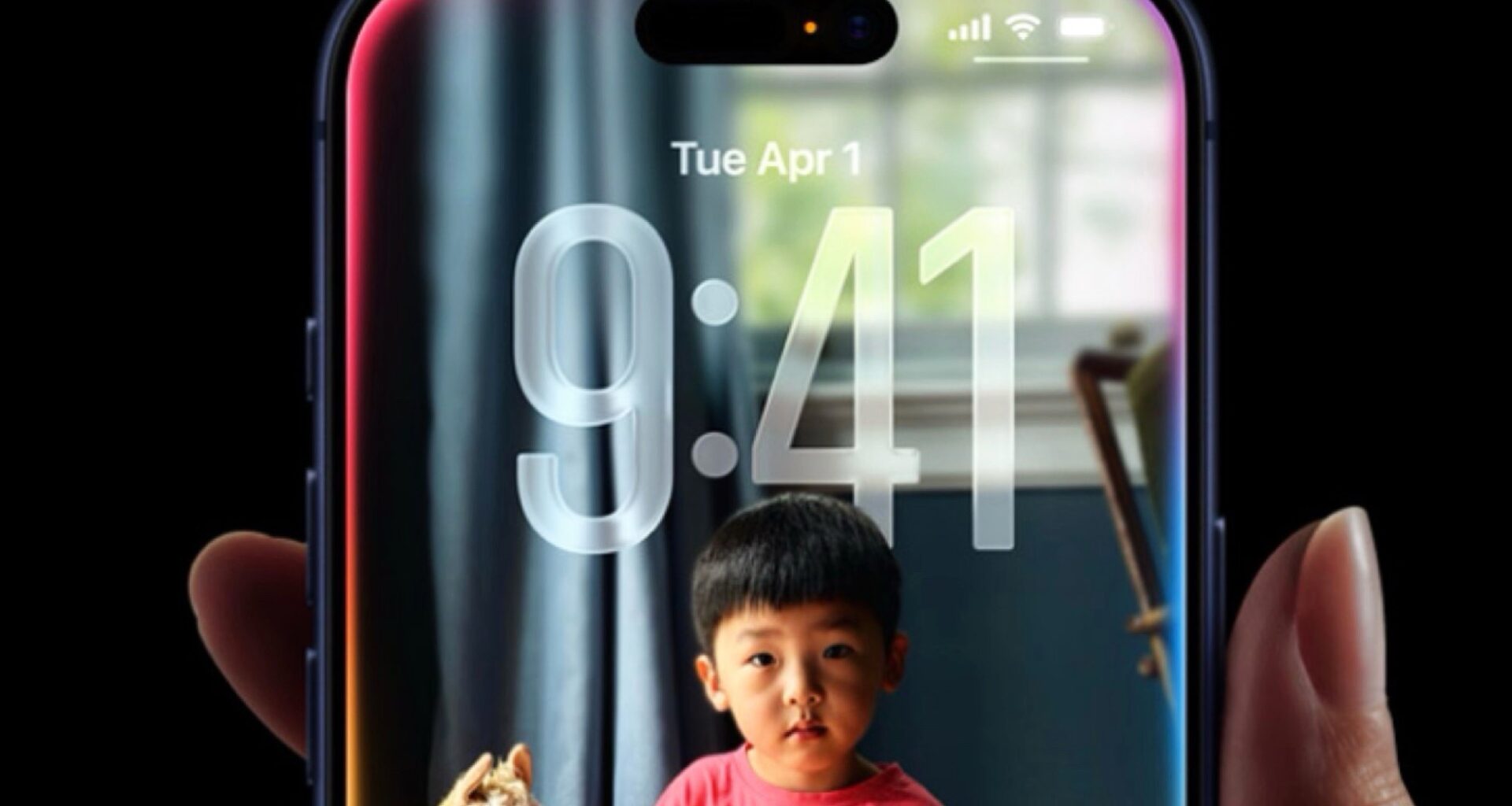
After the code of an internal beta version of iOS 26 revealed Apple’s plans for over 30 new products, MacRumors has now also discovered concrete hints in the same code about new features for the Apple iPhone 17 and other devices, which are likely to be available in the coming months as part of new updates for iOS 26 or as part of iOS 27.
First and foremost, the code points to Apple Health+, a brand-new, paid subscription that will provide new health features in the Apple Health app, powered by AI. Exactly which features the subscription will entail is not yet known. Siri is expected to receive a whole range of new features in spring 2026, strengthening earlier rumors that Apple’s AI chatbot version of Siri will finally be ready for launch next spring. The iOS 26 code includes, among other things, Siri features called IntelligenceFlow, PlanOverrides, SpotlightPersonalAnswersSiri, and SpotlightSearchToolLLMQueryUnderstanding.
Starting in fall 2026, third-party apps will be able to automatically fill in credit card information as long as it is stored in Apple Pay. In the summer, Apple Wallet will be able to notify users of upcoming payments. Apple’s Journal app will be able to understand follow-up prompts in the spring. The code also hints at a number of smaller innovations, such as live captions in additional languages, folders in the Freeform app, shared collections in the Photos app, and new sleep tracking features in Apple Health.

Since 2009 I have written for different publications with a focus on consumer electronics. I joined the Notebookcheck news team in 2018 and have combined my many years of experience with laptops and smartphones with my lifelong passion for technology to create informative content for our readers about new developments in this sphere. In addition, my design background as an art director at an ad agency has allowed me to have deeper insights into the peculiarities of this industry.
 Translator: Jacob Fisher – Translator – 2621 articles published on Notebookcheck since 2022
Growing up in regional Australia, I first became acquainted with computers in my early teens after a broken leg from a football (soccer) match temporarily condemned me to a predominately indoor lifestyle. Soon afterwards I was building my own systems. Now I live in Germany, having moved here in 2014, where I study philosophy and anthropology. I am particularly fascinated by how computer technology has fundamentally and dramatically reshaped human culture, and how it continues to do so.