
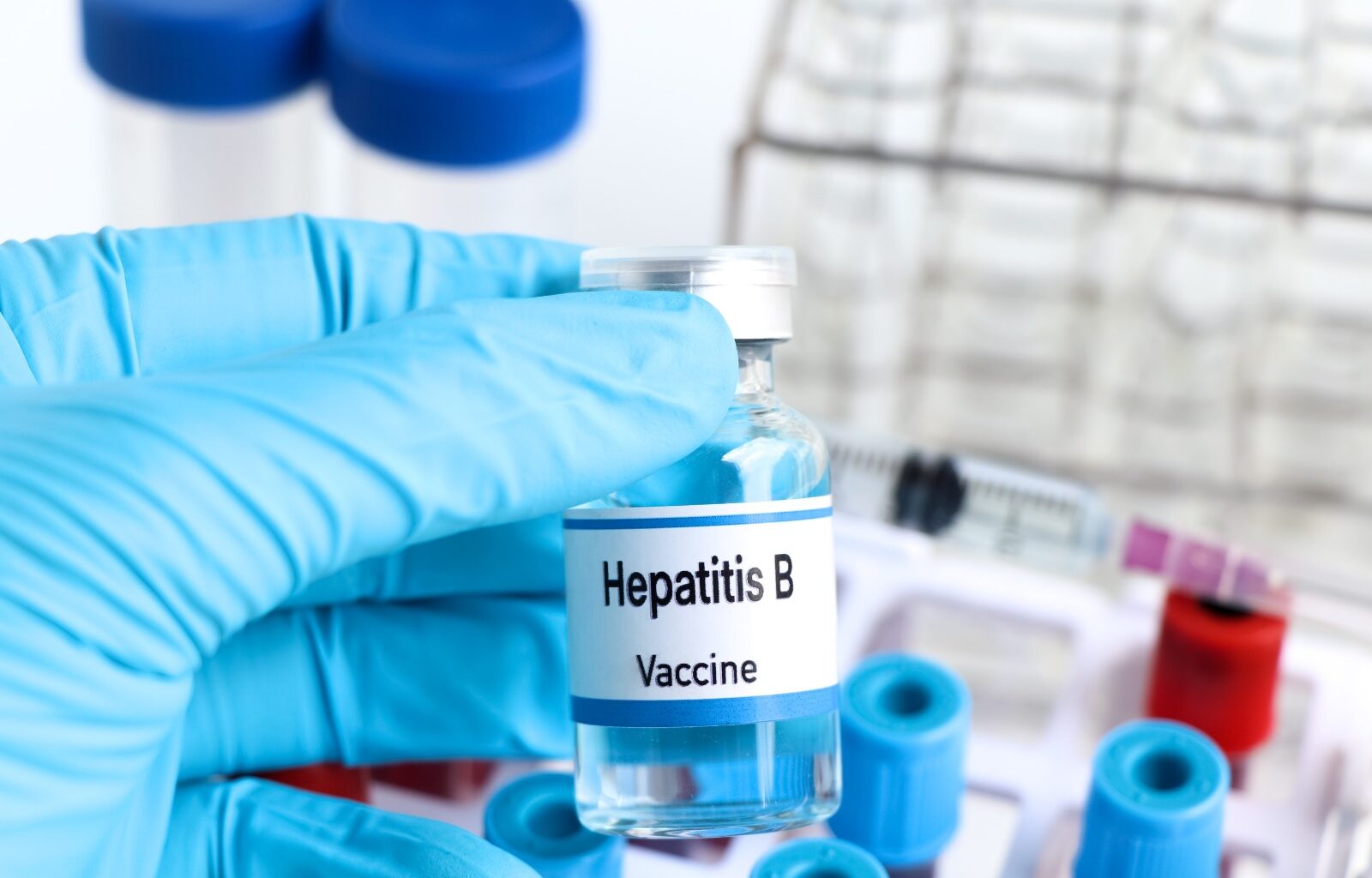
The Malaysian Paediatric Association (MPA), representing the nation’s paediatricians and child health professionals, has reviewed the recent updated guidance from the United States’ Centers for Disease Control and Prevention (CDC) regarding the hepatitis B (HepB) birth dose.
While the CDC now suggests a shift towards individual-based decision-making for infants born in the US, the MPA unequivocally reaffirms its recommendation for Malaysia to strengthen its existing policy of universal HepB vaccination within 24 hours of birth.
This position is grounded in the distinct epidemiological landscape of Malaysia and the ethical imperative to prioritise the child’s right to health.
While individual autonomy is a core medical value, it must be weighed against the overwhelming evidence from hepatology and paediatric infectious disease research, and the imperative to eliminate vertical transmission of Hepatitis B Virus (HBV).
Reaffirmation Of The Hepatitis B Universal Birth Dose: A Matter Of Health Equity
The universal HepB birth dose, implemented in Malaysia since 1989, has been a monumental public health success. It is the single most critical intervention to prevent perinatal and early childhood transmission of HBV, which carries a 90 per cent risk of progressing to chronic infection if acquired at birth.
Chronic HBV infection is a leading cause of cirrhosis and hepatocellular carcinoma (HCC) in adulthood.
Malaysia remains a country of intermediate hepatitis B endemicity. While prevalence has decreased significantly due to vaccination, the reservoir of chronic infection in adults of childbearing age remains substantial.
The birth dose is a “safety net” against systemic failure. It elicits a protective immune response more rapidly than later doses, providing critical protection against horizontal transmission from family members and caregivers in endemic settings. In addition, a risk-based approach relies on the “perfect” identification of HBsAg-positive mothers.
Gaps in screening, laboratory errors, or communication failures between health care providers render a selective approach inherently and unacceptably risky. The birth dose acts as a vital safeguard against human and systemic error.
A risk-based approach also places an undue ethical and cognitive burden on parents and providers to navigate complex screening data. It assumes perfect health literacy and systemic reliability.
By maintaining a universal policy, we remove “information asymmetry” and ensure health equity, protecting all infants regardless of their mother’s socioeconomic status or access to consistent antenatal care.
The WHO continues to recommend a universal birth dose for all countries, particularly those with an HBsAg prevalence of ≥2% in the general population, a category which still includes Malaysia. This is considered cost-effective and a key strategy towards the global elimination of viral hepatitis.
Call For Enhanced Antenatal Hepatitis B Screening By Ministry Of Health\
The MPA recognises that the strength of the universal birth dose policy is complemented by robust antenatal screening. We call upon the MOH to:
Mandate and audit universal antenatal HBsAg screening as part of routine first-trimester antenatal care, with strict quality assurance for laboratories.
Ensure testing HBsAg-positive mothers for Hepatitis B e-antigen (HBeAg) and HBV DNA viral load to accurately assess transmission risk.
Strengthen Health Information Systems to ensure antenatal screening results are immediately and reliably available to the delivery team, paediatricians, and postnatal care providers.
Ensure all pregnant women identified with high viral load (as per WHO/MOH guidelines) have universal access to anti-viral prophylaxis in the third trimester to further reduce transmission risk, in addition to the birth dose and HepB Immunoglobulin (HBIG) for the infant.
Recommendation For Adult Screening And Counselling For Hepatitis B
The changing epidemiology, with a growing pool of unprotected adults, necessitates a life-course approach. The MPA urges all healthcare providers to:
Recommend and offer HBsAg and anti-HBs screening to all adults, particularly those in high-risk groups (e.g., household contacts of infected persons, multiple sexual partners, healthcare workers) and all individuals planning pregnancy.
Ensure all adults who are non-immune (anti-HBs negative) are offered and complete the adult HepB vaccination series.
Ensure adults identified with chronic HBV infection are counseled and linked to appropriate hepatology/gastroenterology services for long-term monitoring and management to prevent cirrhosis and HCC.
Conclusion And Commitment
The Malaysian Paediatric Association stands firm that discontinuing the universal HepB birth dose would be a retrogressive step for child health in Malaysia, potentially leading to a resurgence of preventable perinatal HBV infections, future chronic liver disease, and liver cancer deaths.
We commend the MOH for its longstanding commitment to the universal birth dose. We urge the Ministry of health (MOH) to not only continue but to strengthen this policy by simultaneously investing in antenatal screening and postnatal follow-up protocols.
The MPA is committed to working collaboratively with the MOH, the Obstetrical & Gynaecological Society of Malaysia (OGSM), and other stakeholders to educate health care professionals and the public, ensuring every child in Malaysia is protected from hepatitis B from the moment of birth.
This is the personal opinion of the writer or publication and does not necessarily represent the views of CodeBlue.