
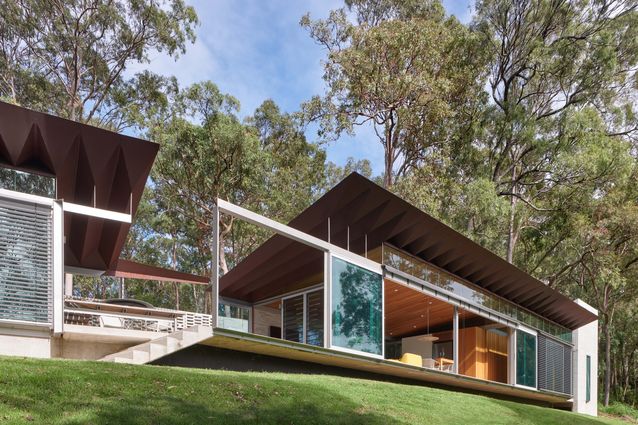
Through a synthesis of site and structure, this carefully composed pavilion house, tucked into a ridgeline on the semi-rural western fringes of Brisbane, becomes a platform for living in the landscape. In this review, Ashley Paine notes that nature asserts its presence at every turn: in the skylight above the meditation room; in the dappled shadows cast by the perforated steel awning; and through screened openings that allow gentle breezes to flow throughout the building.
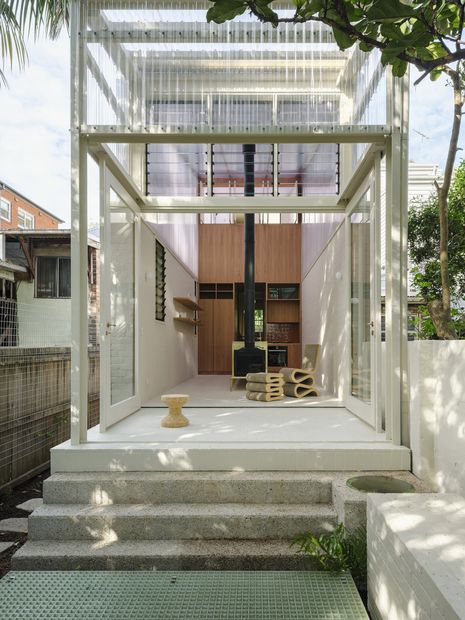
An imaginative adaptation to a Sydney terrace, principally a residence for one, transforms into a joyfully unconventional home for five. Phillip Arnold notes in this review, “A delightful weirdness begins at the entry. One enters the house through a bedroom, which connects to a dining room, which connects to another bedroom, which you pass through to reach the kitchen and then the garden. This sequence of rooms breaches conventions of domestic decorum, especially when you learn that the bedrooms are separated from other rooms only by curtains.”
View gallery
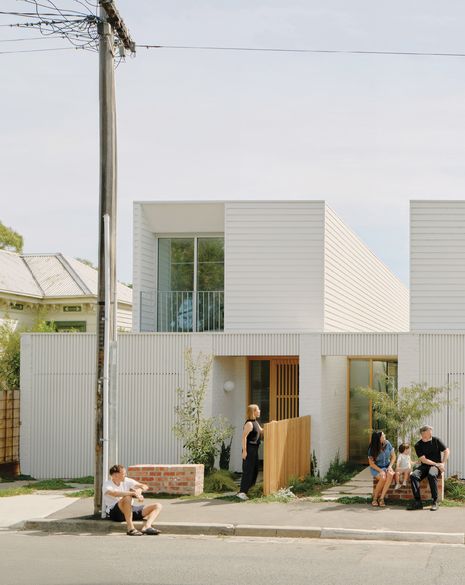
Buoyed by collective ambition and a collaborative spirit, this townhouse development in Melbourne’s inner-north evolves the model for gradual densification at a time when it’s needed most. Brett Seakins reflects, “at a time when ‘missing middle’ housing models are in focus, this project is an important example of the type of low-rise densification that should be integral to the evolution of our suburbs.”
View gallery
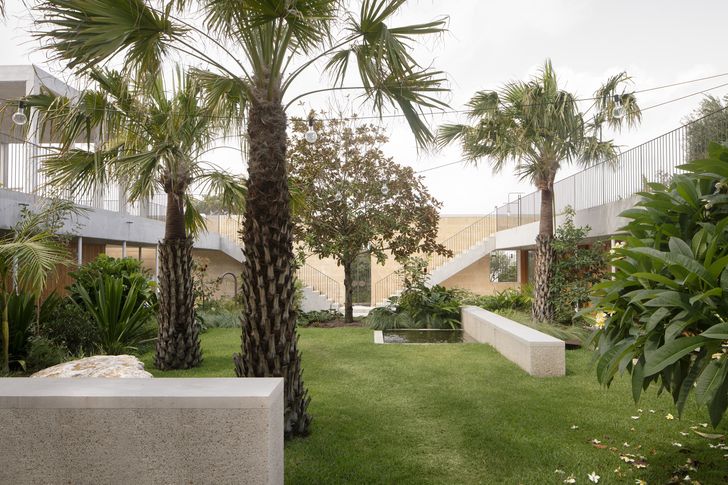
Driven by a vision of an Elysian walled garden, this monumental new home in Newcastle is an enigmatic presence in a city that more often immortalises its coastline. The design features courtyards that draw nature into the home’s core and interconnected interior spaces that foster a sense of intimacy, and is, Chloe Naughton writes, “a sanctuary in every sense.”
View gallery
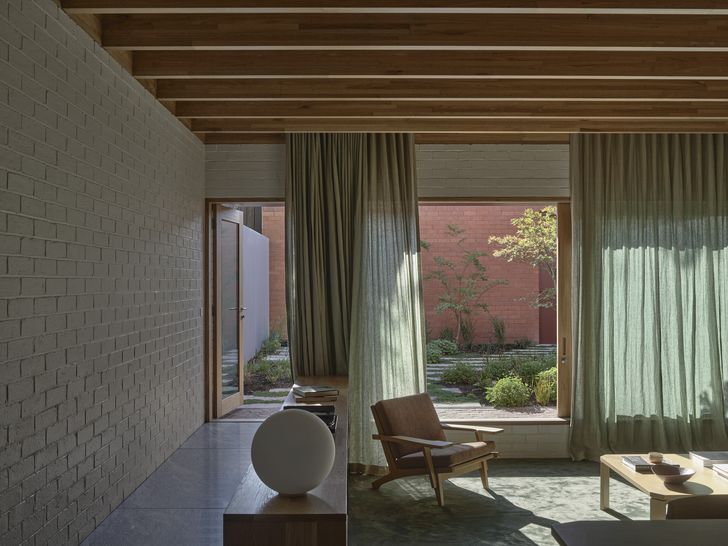
A new home in a heritage setting unites an exterior that responds to the formal qualities of the past with an interior that reflects the living patterns of the present. As Brett Seakins observes, the project demonstrates how careful spatial organisation and material selection can transform a conventional terrace into an engaging contemporary home.
View gallery
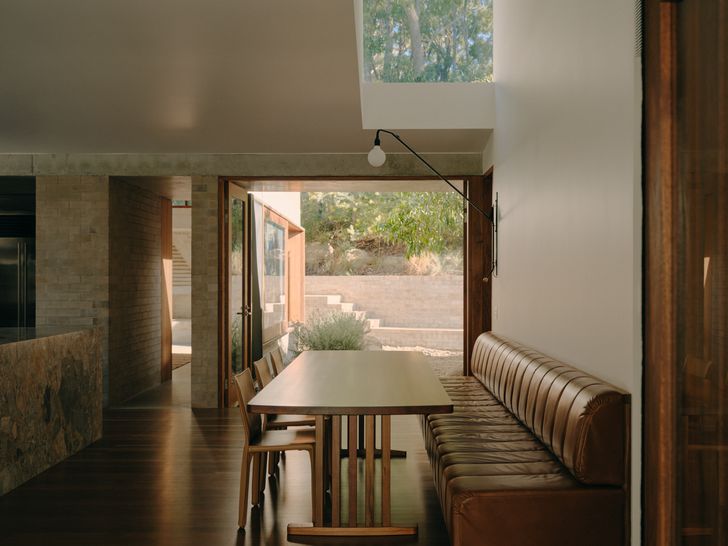
The most recent evolution of this Brisbane cottage is a robust and elemental private shelter from which to survey the sky and the ground. Silvia Micheli observes that the original home has been carefully reimagined through minimal interventions: the original windows and doors were retained and repurposed, a new skylight introduces natural light, and subtle adjustments to interior spaces strengthen the connection to the landscape.
View gallery
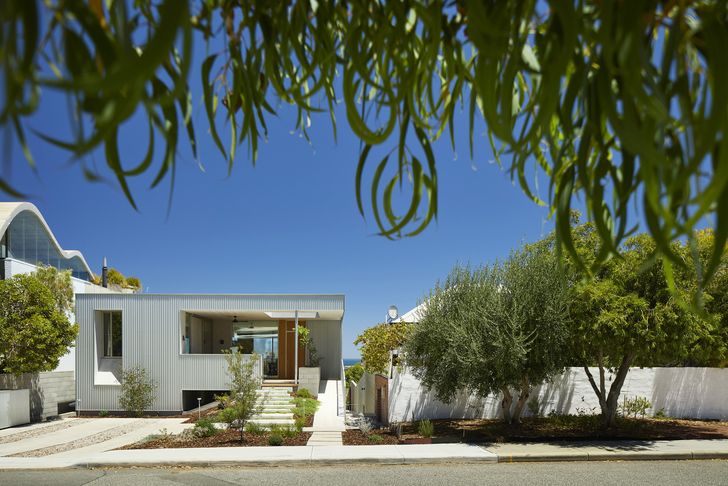
Choosing sufficiency over surplus, this suburban house balances built form with open space, benefiting occupants and the wider neighbourhood. In this review, Stuart Vokes recalls being “struck” by the house’s unconventional – almost radical – street appearance, in particular, the substitution of any formal car accommodation with an open frontage and a deep street setback. “What is most compelling about Rule Street House is that by doing less, it acknowledges the commodity of incomplete, un-programmed space – a common ground with vaguely defined private territories,” writes Stuart.
View gallery
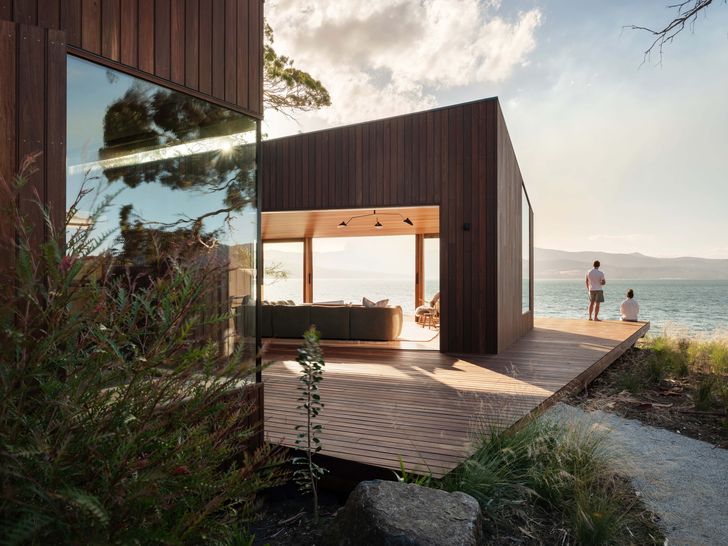
Sculpted and playful, this layered and finely crafted home allows an extended family to enjoy the full spectacle of Bruny Island. Judith Abell observes how the interior arrangement is carefully orchestrated to encourage discovery: from the front entry, only a narrow view of the North-West Bay is revealed, while flush timber doors in the sleeping zone conceal views of the water beyond. “This establishes a desire to open each of the doors, to discover the qualities of the rooms,” comments Judith.
View gallery