
Happy Boxing Day! In the British Commonwealth countries, this is a holiday that commemorates the practice of giving a box of stuff – presents, money, food (which maybe was leftover food from the Christmas bash the day before), unwanted gifts, whatever – to your employees or servants or people in need, whether you employ them or not. I mean, I hope no one you employ in your stately manor is in need, because if so, you’re a monster.
Boxer is also a nickname for a type of engine! I’m sure you knew this already, but I need my flimsy pretexts for these posts, thank you. And, since boxer is a kind of engine here on Boxing Day, let’s take a moment to reflect upon a very interesting boxer-engined car, the Tatra 11.


Before we do that, though, let’s clear up one thing really quickly: while all boxers are flat – as in horizontally-opposed – engines, not all flat engines are boxers. The key defining trait of a boxer engine is that pairs of pistons move in opposing directions, back an forth, sort of like the movement of boxers whaling on each other, which is where the name comes from.
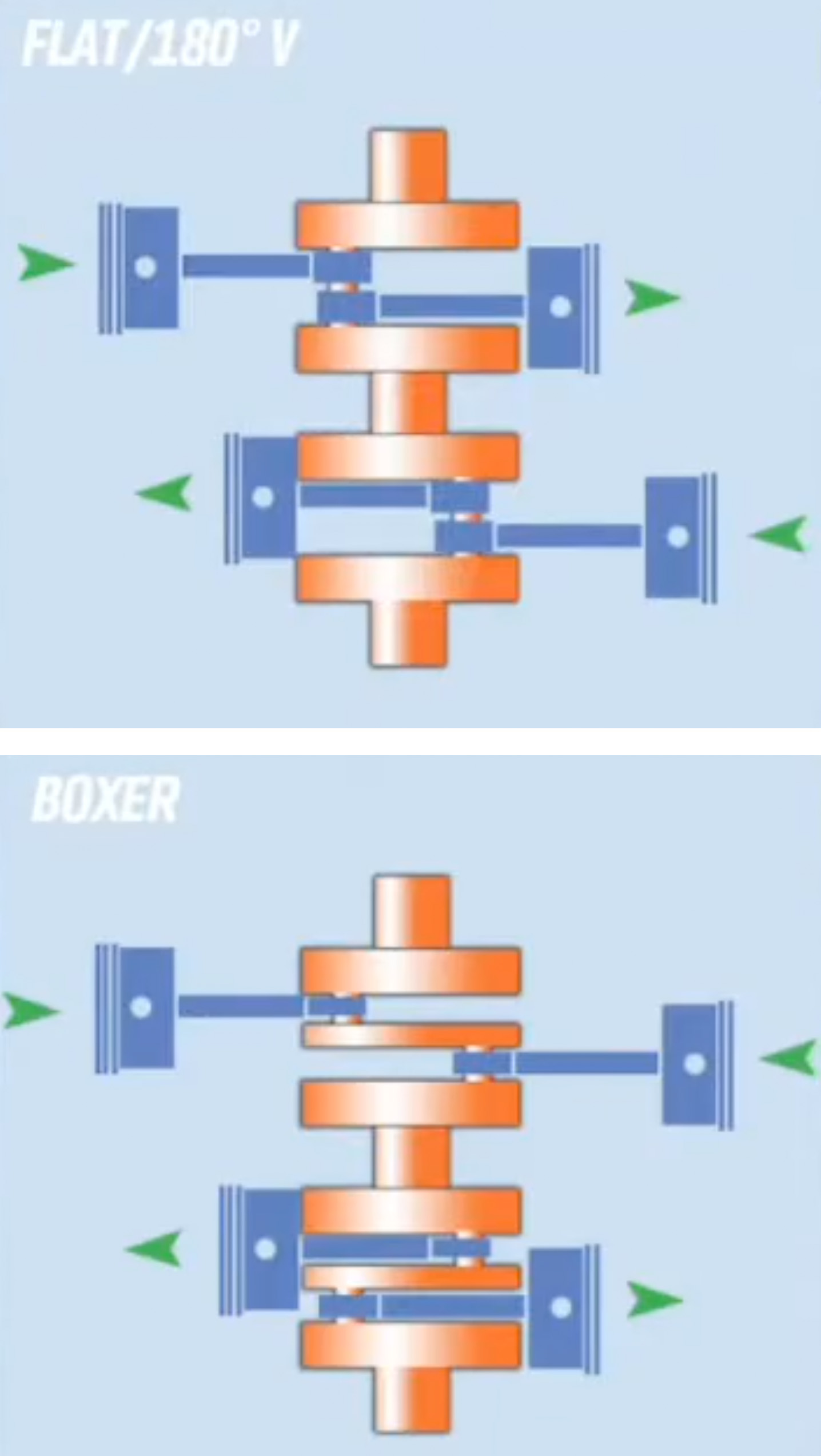 Image: Jason Torchinsky
Flat, non-boxer motors, which you can think of as 180° V engines, have pairs of pistons that move in the same direction, because they share a crankpin on the crankshaft, which boxer engines do not. You can see the difference in that diagram above, which I made for an article on the Old Site back in 2018, and I’ve found have been stolen and used in at least one video on the subject. So I stole it back.
Oh, and you know the Ferrari Berlinetta Boxer? It doesn’t actually have a boxer engine. It has a flat, 180° V engine!
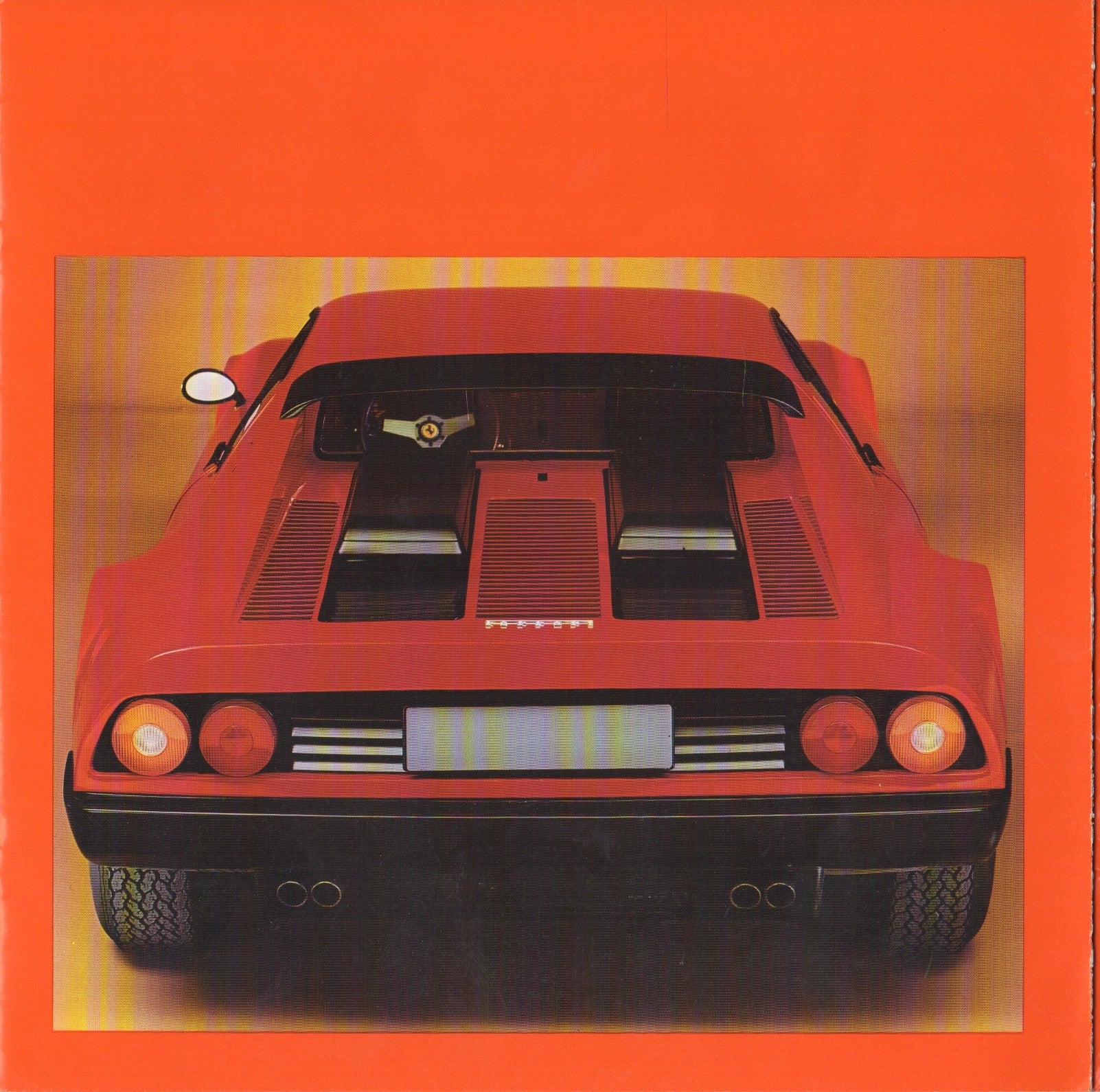 Image: Ferrari
What a liar!
Anyway, let’s get to the Tatra 11, which has a true boxer engine, a 1056cc flat-twin making about a dozen horses. Built from 1923 to 1927, this was Tatra’s first real passenger car (as opposed to a truck) and was brilliant designer/engineer Hans Ledwinka’s first use of many things that would become Tatra staples: air-cooled engines, backbone chassis, and swing axles.
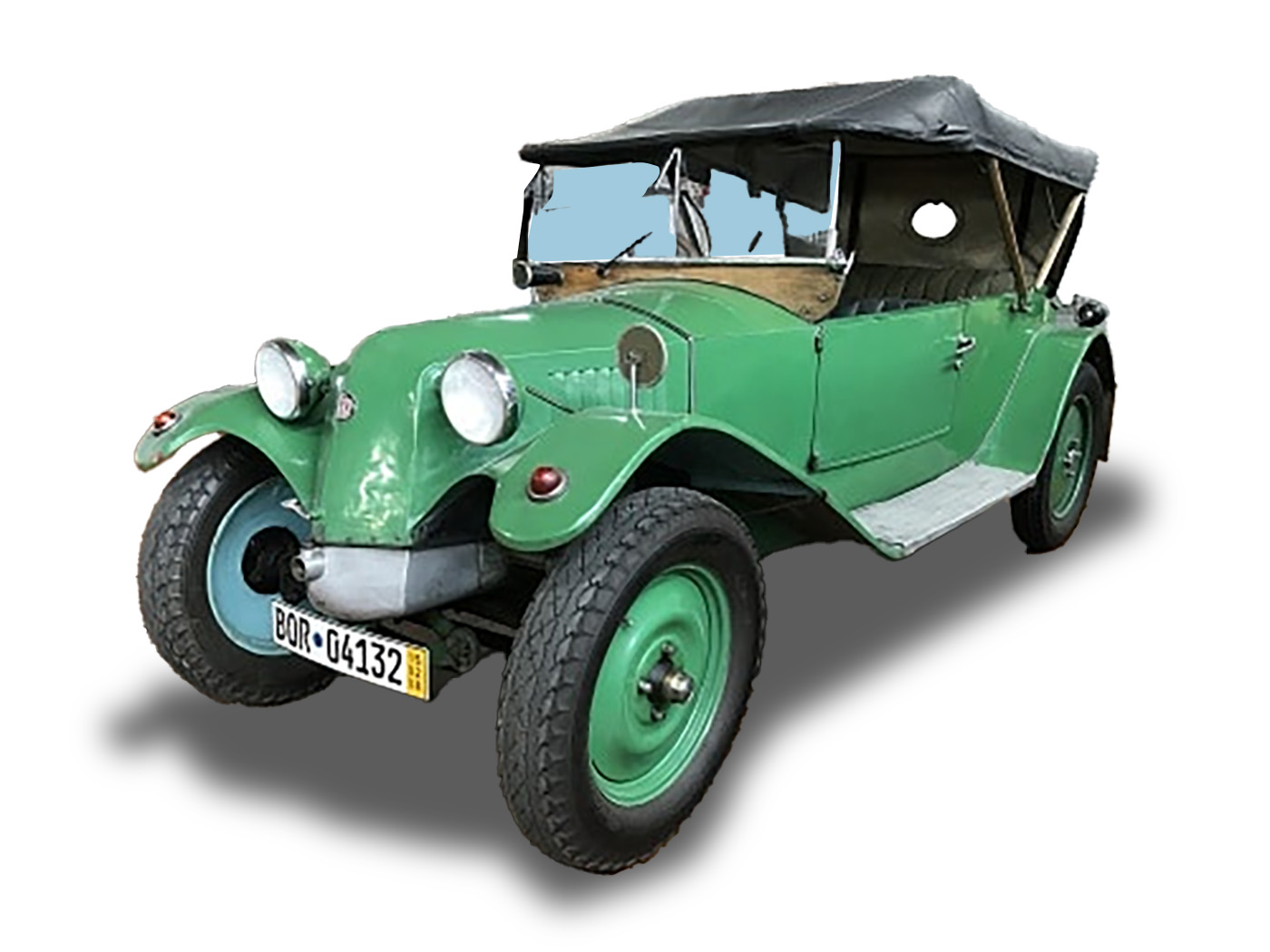 Photo: Lane Motor Museum
Ledwinka was working for Steyr at the time he conceived of the car, with the goal of making a genuinely affordable and usable people’s car. Steyr wasn’t interested in that at the time, so he went to Czech carmaker Tatra to see his vision realized.
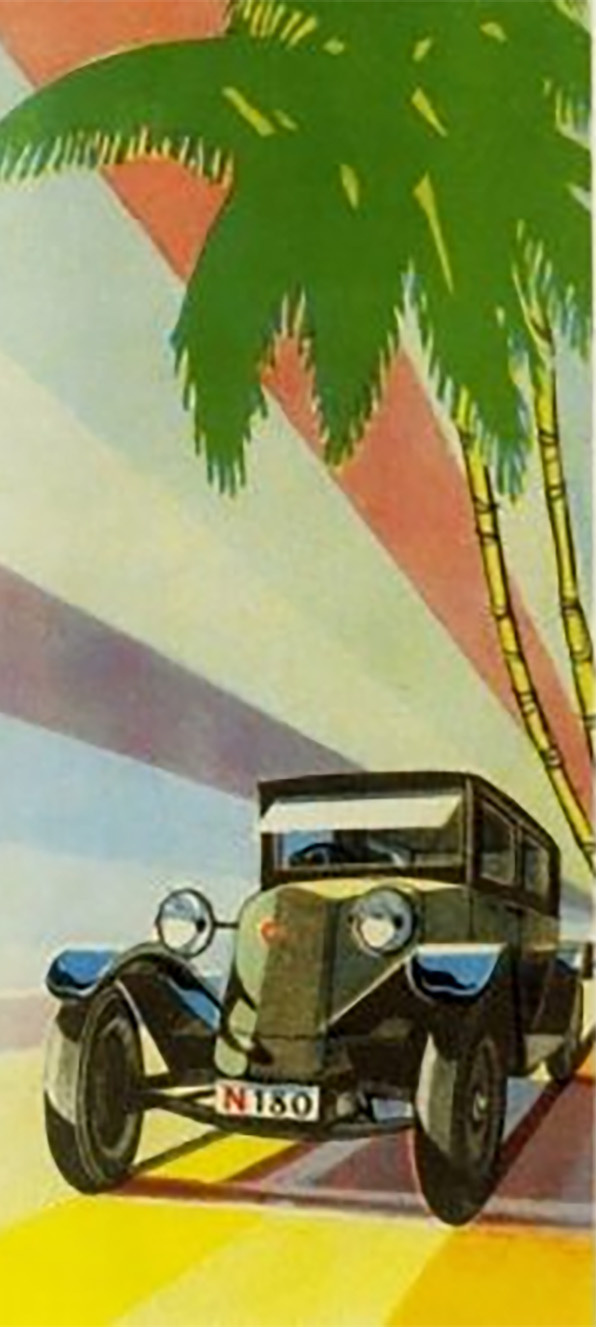 Image: Tatra
The T11 was brilliant, and I think the chassis design is the real marvel here. Look at this thing: the engine’s lower crankcase is a stressed member, with suspension parts bolted to it:
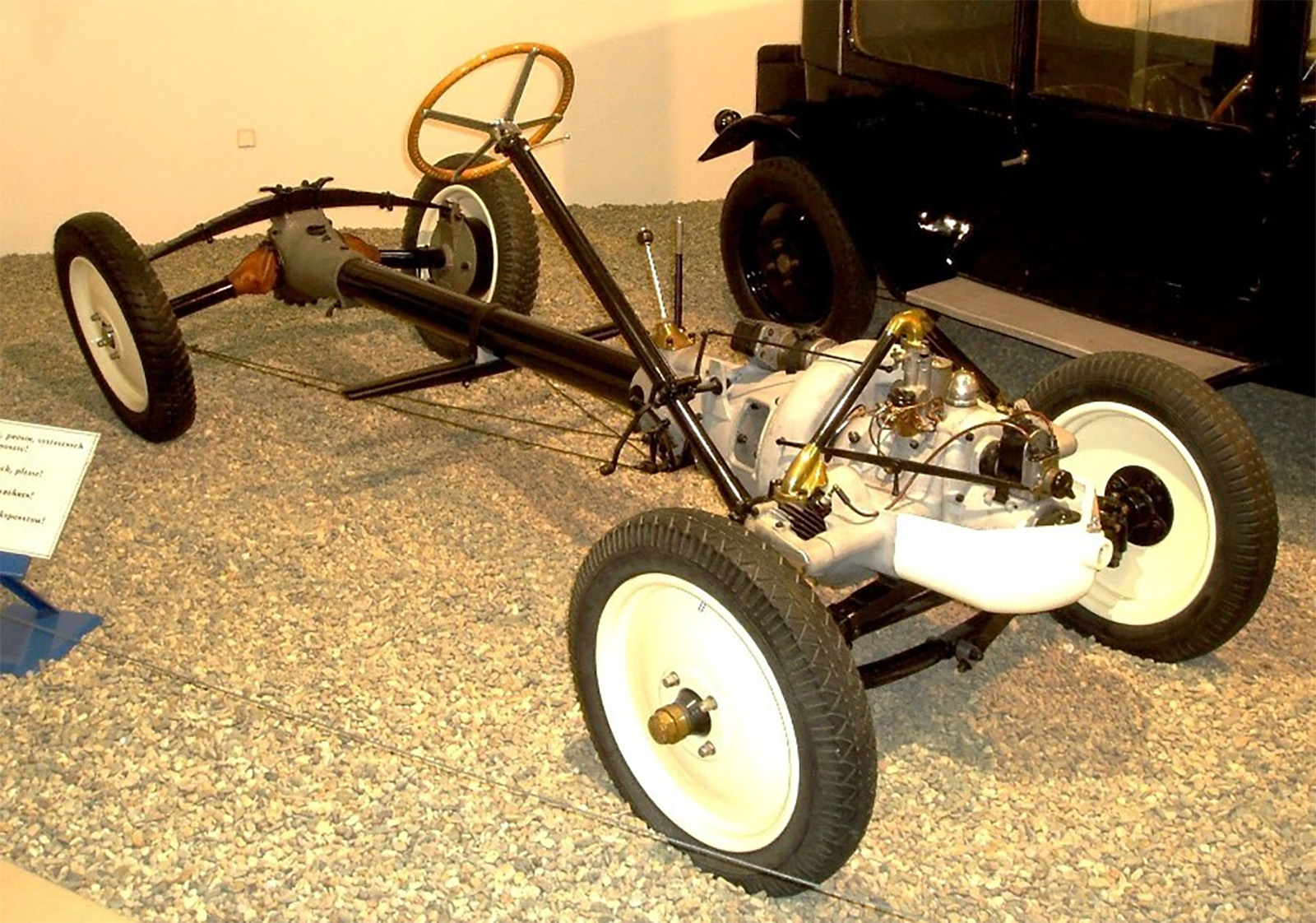 Image: Wikimedia Commons
…and around back you can see the then-revolutionary swing axle, sprung with a transverse leaf spring, giving independent rear suspension:
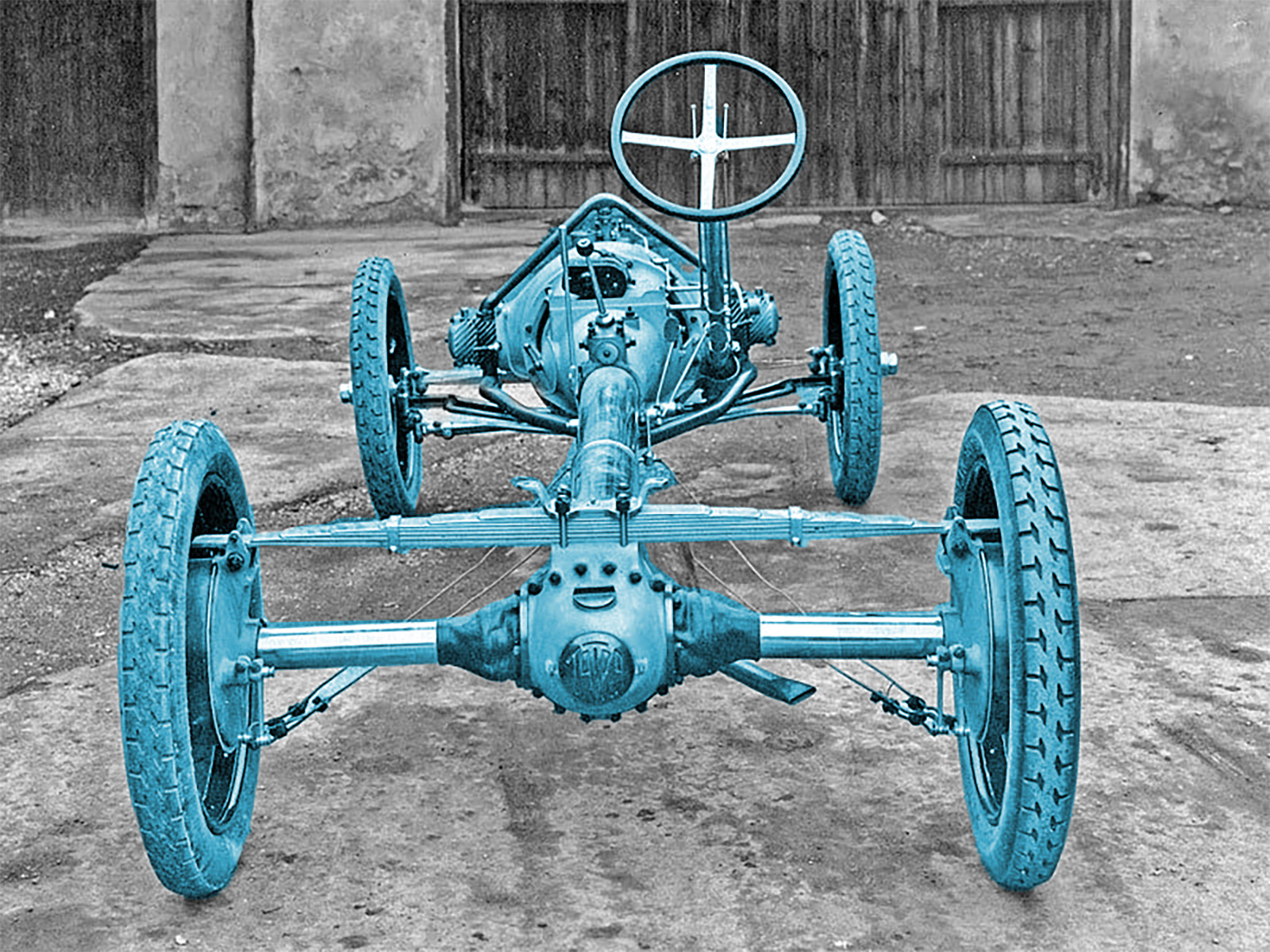 Image: Tatra
Also, note how the tube that houses the driveshaft forms the main backbone of the chassis. This is a brilliantly minimal design, and was a big part of why the car was so light and efficient.
Being light and efficient meant it was a decent racer, too, taking first in the 1100cc class at the Targia Florio in 1925, against much bigger and more expensive competitors!
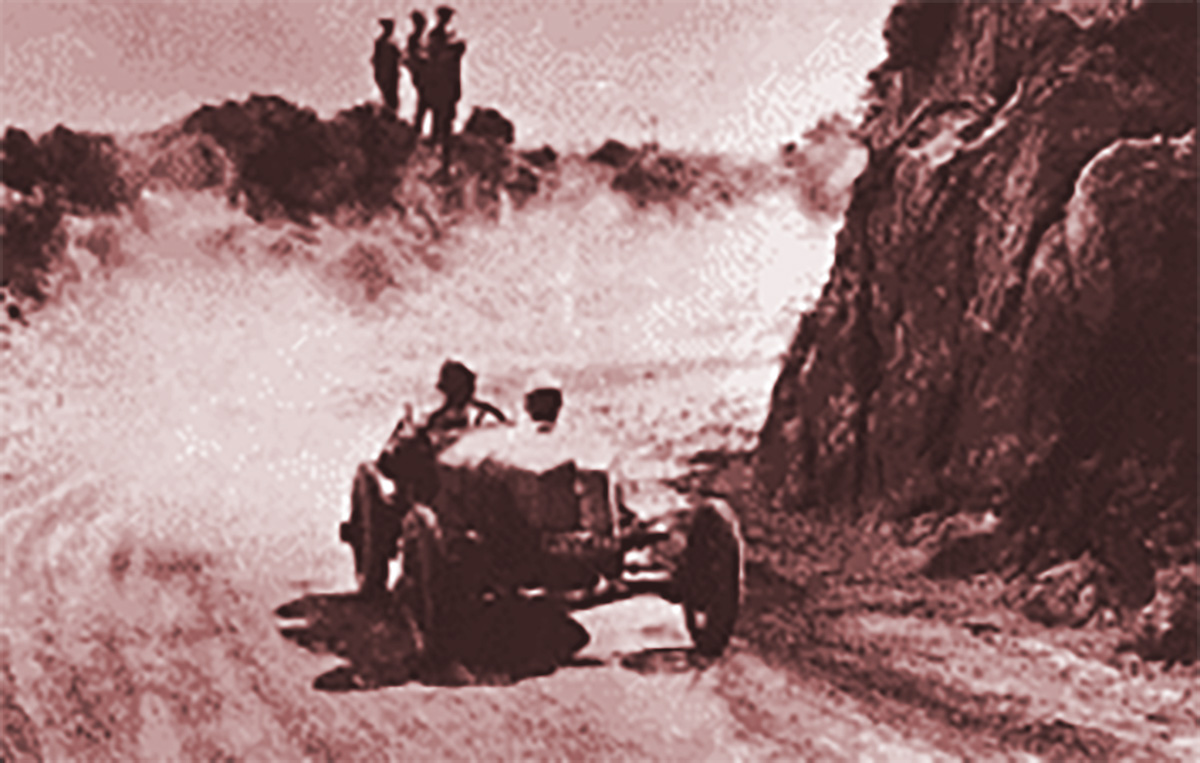 Image: Wikimedia Commons
I also really like the smooth-nosed look of the T11, a look that continued for other front-engined Tatra models. It reminds me a bit of the old Renault coal-scuttle hoods:
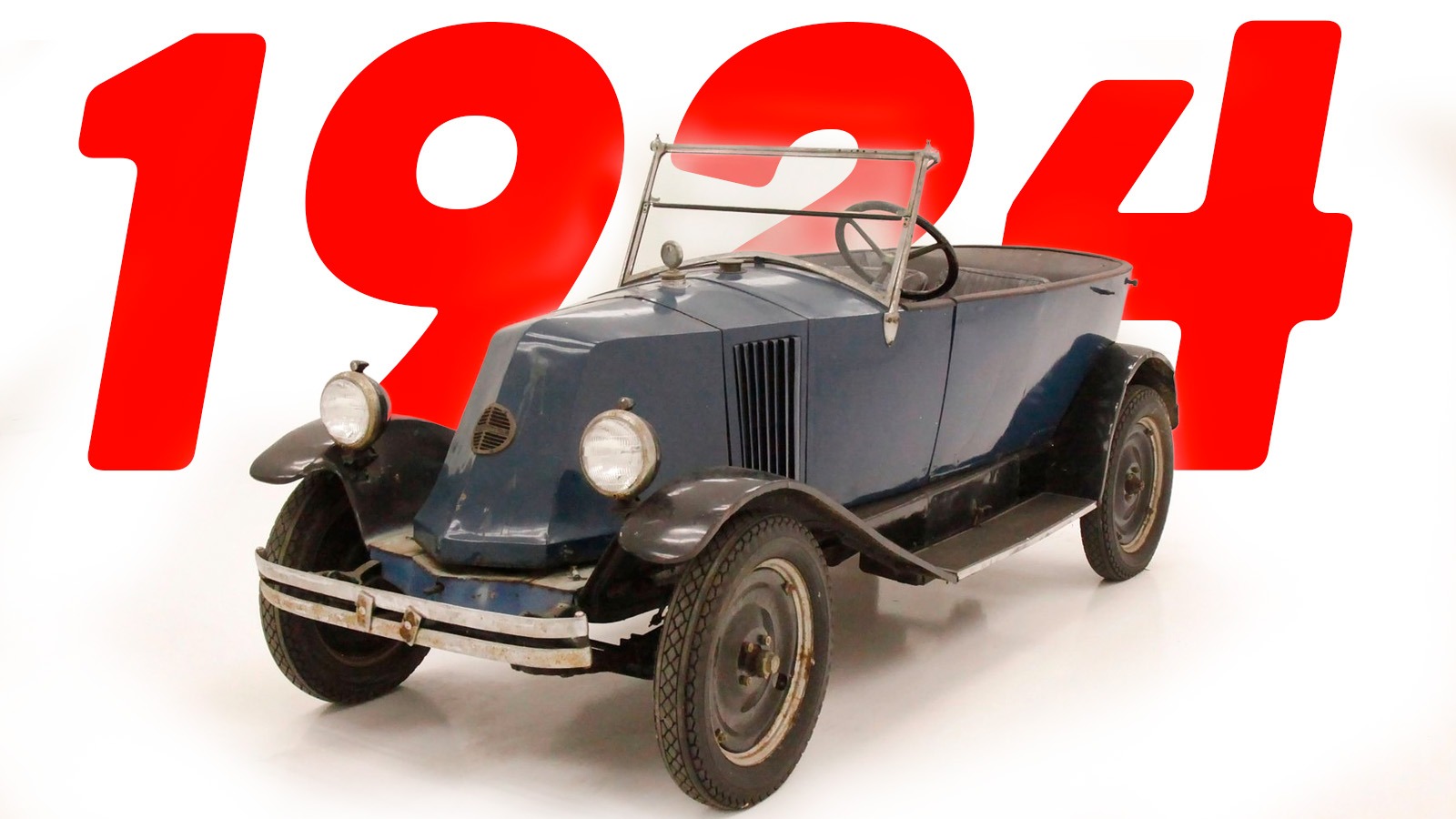
I wonder what year that car is from?
Actually, based on the year, I guess it’s the Tatra that followed the Renault, but still.
Here’s a great video of one being used as a tractor from 1964! That T11 would have been about 40 years old at that time!
Anyway, have a fantastic Boxing Day or day after Christmas, or just a nice do-very-little day. We’re going to have stories, but not really a full day, if you get my meaning. You just have a fun, relaxing time, how about?