
Residents in one of Australia’s most densely populated local government areas are set to face a suite of new laws impacting their properties from today. Homeowners are being urged to stay across the changing regulations, which are in keeping with a broader national trend.
The City of Sydney unanimously voted to ban gas appliances in all new homes earlier this year, joining a growing list of councils moving towards all-electric buildings.
Under proposed new planning rules, developers will be required to install electric cooktops, ovens and indoor heating and cooling systems in new builds.
The changes will be mandated from January 1. Gas hot water systems will still be permitted for the time being.
The City of Sydney has been eyeing the move since 2023, when a council spokesperson told Yahoo News it “welcomed” a ban on new gas connections.
About 237,000 people live in the LGA.
Do you have a story? Contact newsroomau@yahoonews.com
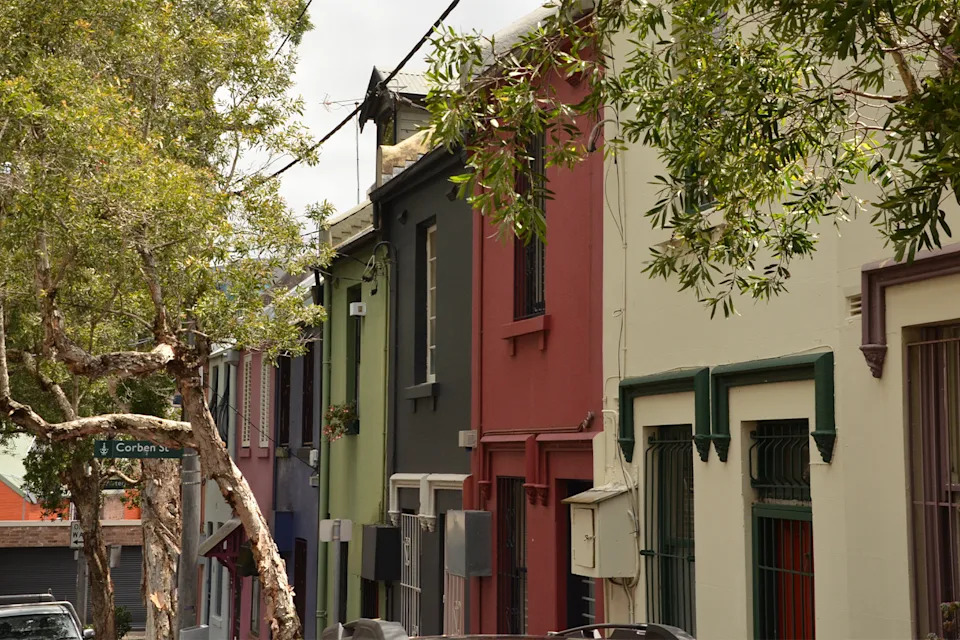
The City of Sydney council includes suburbs such as Surry Hills, Darlinghurst, Potts Point, Redfern, Ultimo and the CBD. Source: Getty
From January 1, 2027, the council will also mandate that all new properties across the region are fully electrified.
Outdoor gas fittings — including heaters and barbecues — will be outlawed under the new rules, meaning all new builds will have to be fully electric to meet the standards.
The landmark decision comes two years after the council first flagged its support for a gas ban.
Lord Mayor Clover Moore said the reforms would not only cut emissions but also deliver health and financial benefits, noting that gas stoves have been linked to 12 per cent of Aussie asthma cases in kids.
“Relying on gas is bad for the planet, bad for our finances and bad for our health,” she said at the time.
“It is why the move has been met with broad approval from a diverse variety of stakeholders.
“Industry bodies from Ausgrid to the Property Council have endorsed the move, reflecting a broad community consensus on the need to end our reliance on gas.
“The reality is that gas is an expensive commodity that is forecast to go up in price.”
Industrial and existing buildings will be exempt, while kitchens in mixed-use developments can still install gas — provided they’re designed to be easily converted to electric in future.
Enjoying this story? Find more of Yahoo’s best content on our new-look homepage here.
What other regions have banned new gas connections?
In Victoria, since January 2024, all new homes and residential subdivisions requiring a planning permit have been required to be electric, meaning no new gas connections are allowed.
However, the rule doesn’t affect existing homes, renovations, or developments that already had planning approval before the change.
In the ACT, the government moved to end new gas network connections from December 2023, introducing regulations that prevent most new residential, commercial, and community buildings from connecting to the gas network.
The change forms part of the territory’s broader goal to phase out gas entirely by 2045.
Existing properties can continue using gas for now, but all future developments in most zones are expected to transition to electric systems.
Related: Sydney council proposes huge change for all new homes and buildings
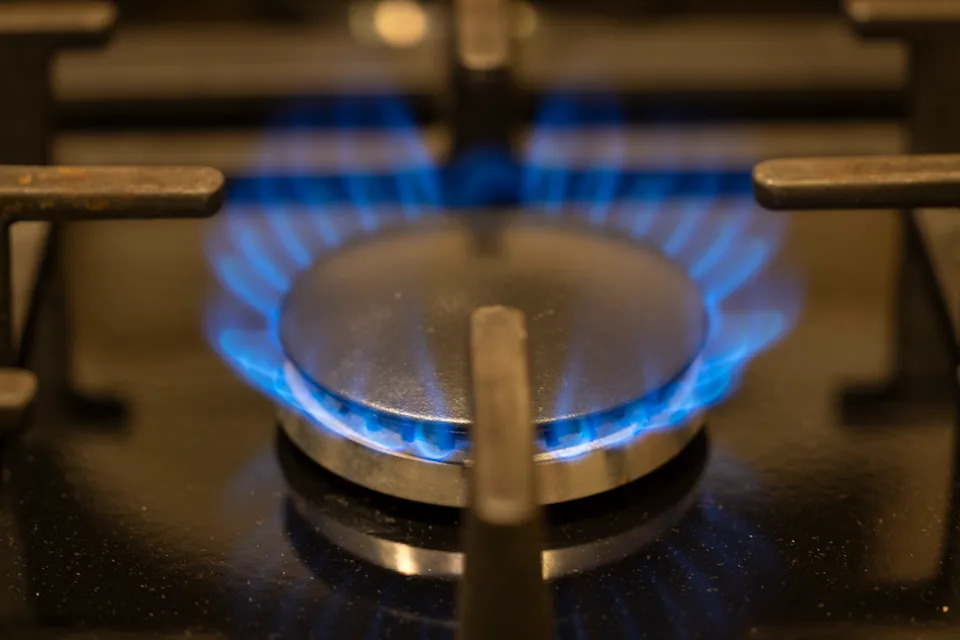
Critics of the gas bans, including some chefs, restaurateurs, and industry groups, argue that gas cooking offers greater temperature control and performance. Source: Getty
Why are authorities moving away from gas?
Gas is being phased out largely because of its environmental and health impacts.
Although long promoted as a “cleaner” fossil fuel, natural gas is mostly methane, a greenhouse gas that traps around 80 times more heat than carbon dioxide over 20 years.
Leaks occur at every stage of gas production, from extraction and transport to household use, meaning its true climate footprint is far greater than once thought.
Cutting gas use is therefore seen as an essential step towards meeting emissions reduction targets and slowing climate change.

Electric alternatives like induction cooktops eliminate emissions, making them a healthier and more energy-efficient choice. Source: Grace Mitchell/Facebook
Beyond its environmental cost, gas also poses health risks inside the home.
Studies have linked gas stoves to increased indoor air pollution, particularly nitrogen dioxide, which can aggravate asthma and other respiratory issues, especially in children.
Electric alternatives like induction cooktops eliminate these emissions, making them a healthier and more energy-efficient choice.
For councils, the shift away from gas is part of a broader move toward sustainability and energy independence.
Phasing out new gas connections in favour of all-electric homes aligns with the growing adoption of renewables such as rooftop solar, helping households cut both emissions and energy bills.
Critics of the gas bans, including some chefs, restaurateurs, and industry groups, argue that gas cooking offers greater temperature control and performance, and warn that the shift could increase costs for households and small businesses that rely on existing gas infrastructure.
Do you have a story tip? Email: newsroomau@yahoonews.com.
You can also follow us on Facebook, Instagram, TikTok, Twitter and YouTube.