
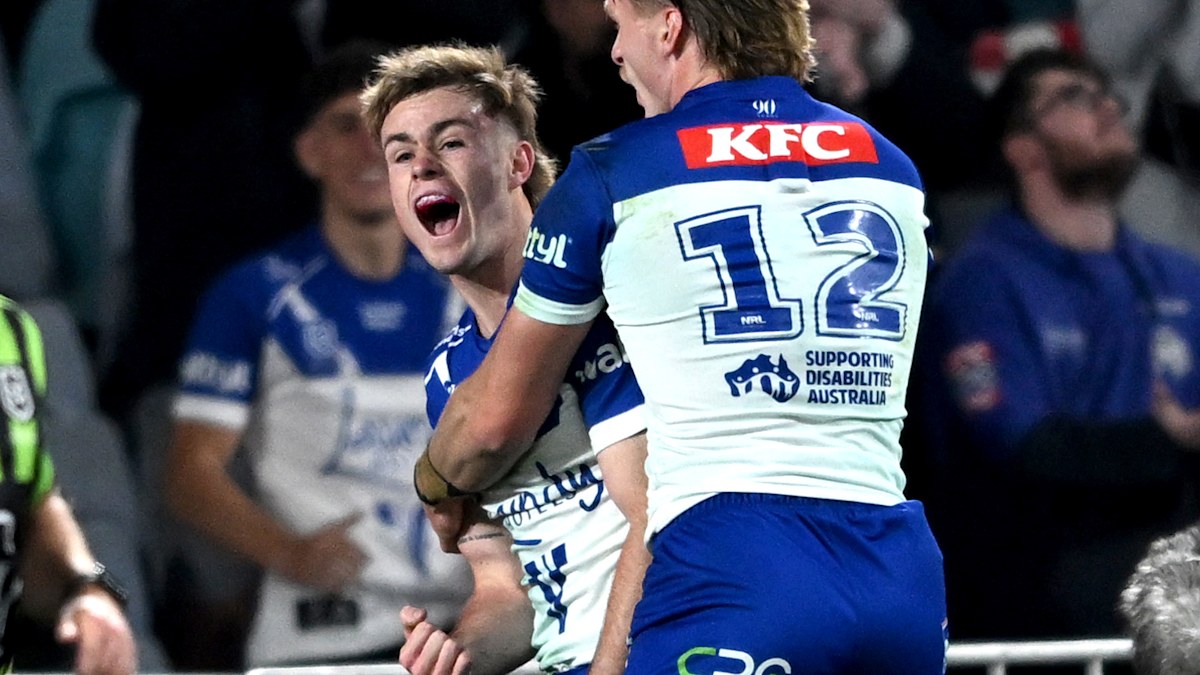
All involved in contract negotiations have been warned of the sanctions they will face over attempts to lure players to rival teams in the public sphere, as the NRL confirmed their revised anti-tampering rules.
Changes to the anti-tampering policy was announced by the NRL on Friday, with the revised rules set to come into effect from February 1.
There were several contract fallouts that were brought to the public eye in 2025, led by the mid-season move of Lachlan Galvin.
READ MORE: Khawaja blasts ‘racial stereotypes’ in emotional retirement
READ MORE: Neale quits captaincy amid ‘challenging personal period’
READ MORE: City keeper left fuming as title gap grows bigger
Still, the matter prompted questions around whether a revision of the rules was needed.
Clubs have now been advised that public statements as well as private statements that could be “seen as attempts to lure a player” will be sanctioned.
“Any public statements would not be considered tampering should the player be given permission by his or her incumbent club to negotiate elsewhere,” the NRL said.
“Existing rules around tampering, on top of public commentary, will continue to apply.”
Sanctions clubs may face include include financial and salary cap penalties, while agents – dependent on the circumstance – could risk their accreditation being deregistered.
Lachlan Galvin celebrates scoring a try NRL Photos/Gregg Porteous
Under the current rules, players and their agents are not eligible to negotiate with rival clubs until November 1 of the year before their current deal expires, unless they have been instructed otherwise by their team.
In the case a player has been instructed and are free to negotiate elsewhere, the NRL has confirmed that will still be seen as a non-tampering act.
The NRL confirmed that the changes are not unfamiliar concepts to the clubs and agents, rather they are just strengthened definitions to help improve the integrity and transparency of all contract negotiations.