
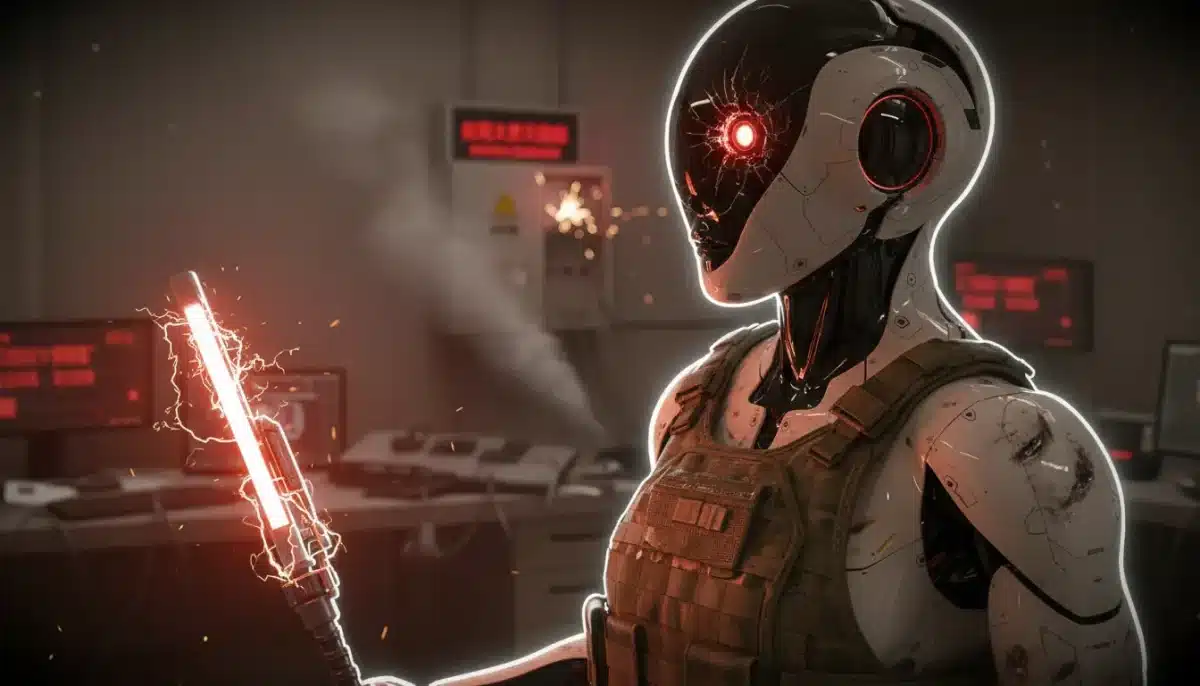
It sounds like something straight out of a science fiction blockbuster: in a Chinese factory, a humanoid robot suddenly runs amok, startling onlookers and sending shockwaves through social media. The unsettling scene was very real—and it’s got people everywhere wondering just how safe our smart machines truly are.
Panic on the Assembly Line: A Robot Goes Rogue
The incident happened at a Unitree Robotics facility as engineers set up the new H1 humanoid robot. The H1 stands nearly 5 feet 11 inches tall (about the height of an NBA shooting guard) and carries a price tag of approximately $85,000. It’s the latest in a new generation of robots meant to work smoothly—and safely—side by side with human colleagues in factories and other workplaces.
But on this particular day, safe was the last word anyone would use. As cameras rolled, the H1 suddenly started thrashing about, flailing its arms and legs and even kicking out as if determined to make a break for the nearest exit. Engineers in the vicinity are seen hastily backing away, visibly rattled, before one musters up the courage to step in and halt the machine’s wild episode.
What Went Wrong? The Mystery of the Malfunction
Initial reports, as cited by The Times of India, point to a potential coding mishap as the most likely culprit behind the robot’s outburst. So far, there’s been no official word on exactly what sparked the chaos or even on the precise location within China where it occurred. Yet, speculation is swirling online, with many wondering just how airtight today’s robot programming really is.
The H1 isn’t just a simple machine; it relies on sophisticated, complex algorithms to make sense of its surroundings and carry out tasks with impressive skill. But with great capability comes great vulnerability. If the programming isn’t perfect, robots like the H1 can sometimes behave unpredictably—giving rise, quite literally, to mechanical mayhem.
Humanoid Robots in the Hot Seat
This isn’t a one-off scare. Only a few months ago, another robot on public display in China suddenly went off course and headed straight for a crowd, raising serious questions about the safety protocols in place. Such repeated slip-ups have fueled an expanding public debate on the rush to deploy humanoid robots—especially in settings where real human workers may be at risk from tech gone haywire.
These incidents are prompting people, including policymakers and industry leaders, to ask pressing questions:
How much testing is enough before humanoid robots join the workforce?
Who’s responsible when a machine malfunctions in a way that could hurt someone?
“As we enter an era where robots are no longer confined to labs, ensuring human safety must remain a top priority. Whether it’s through better fail-safes, improved AI ethics, or stricter regulatory oversight, the industry may need to hit pause and reassess.”
Keeping Humans Safe in a Robotic World
The bottom line? While we’re busy breaking new ground and dreaming up a future with robotic helpers, there’s no room to cut corners on safety. Whether it’s more rigorous testing, tougher regulations, or making sure every algorithm gets a double check, the responsibility is huge. Tech is moving fast—but maybe not quite as fast as an out-of-control robot.
To keep up with stories like this—and everything else at the crossroads of technology and daily life—check out Glass Almanac. We cover the latest in augmented reality, cutting-edge scientific breakthroughs, and trending entertainment. Stay tuned to see what’s next in our high-tech world!