
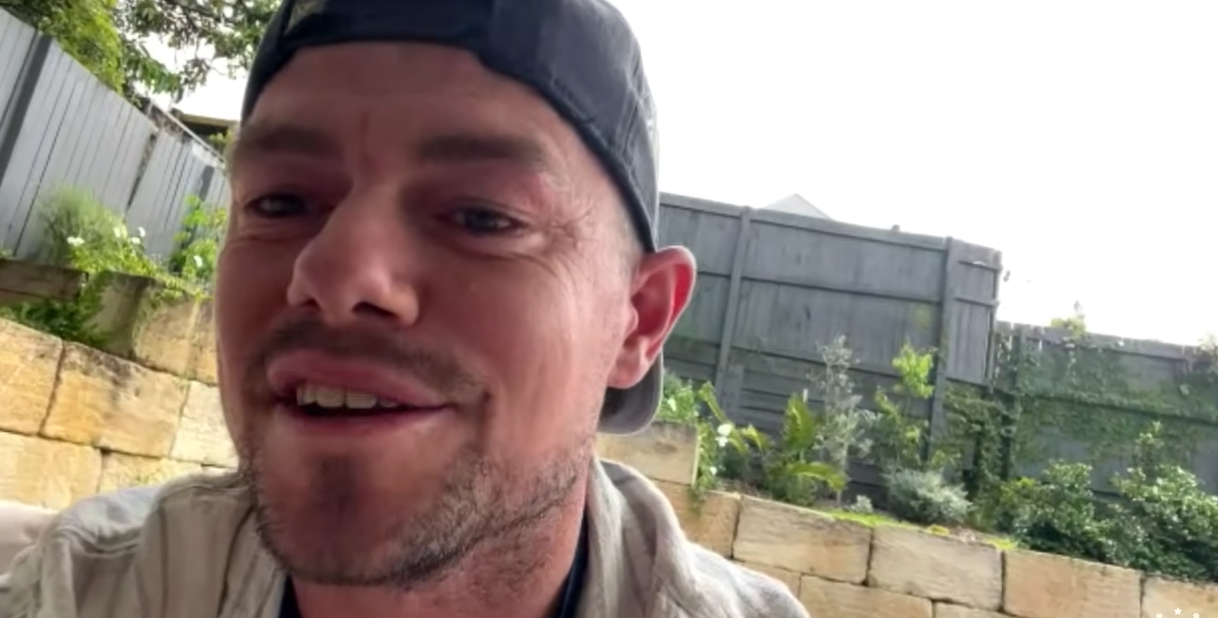
Lachie Neale stood calmly in the press room’s dim lighting, holding a page he had written but presumably didn’t want to read out loud. There were no ostentatious statements or well-rehearsed soundbites. A man, a little worn out, confessing what most public personalities seldom do: “I have let my family down.”
He made it clear that he made the choice to resign as co-captain of the Brisbane Lions. However, there was little opportunity for conjecture given the timing, which came only days after he confirmed his divorce from wife Jules. This was not a calculated move. It was essential. And it felt like the start of something that might be far more significant but was less obvious.
Long praised for his incredible consistency and hardness on the field, Lachie Neale has hardly displayed vulnerability in public. And yet here he was, with a radically different kind of strength, confronting a room full of reporters. There was no attempt to avoid the repercussions. Don’t point fingers. Just possession. It was especially potent in its own right.
Neale had returned from a calf injury just three months prior, helping Brisbane win the premiership for the second time in a row. He was praised for being a quiet force—the kind of player who consistently produces results without requiring notice. Then came December, and a gradual disintegration that manifested itself in cryptic Instagram postings and quiet social media edits rather than club pronouncements.
DetailInformationNameLachie NealeBornMay 24, 1993 (age 32)OccupationAFL Player – MidfielderClubBrisbane Lions (formerly Fremantle Dockers)AccoladesBrownlow Medalist (2020, 2023), 4x All-AustralianMarital StatusRecently separated from wife, Jules NealeRecent EventsStepped down as Brisbane Lions co-captain amid personal turmoilExternal ReferenceNews.com.au Coverage
 Lachie Neale What Happened: From Captaincy to Crisis in the AFL
Jules Neale had written on “betrayal” in a candid and open manner. A close friend who is now distant. A marriage that appeared to be unbreakable on the outside is now portrayed as delicate and subtly deteriorating. The phrase “good things are coming” appeared more than a dozen times on her vision board, which was shared with hopeful irony.
Neale’s tone was what made this encounter feel so very human. He made no defense. He did not deflect. He just expressed what had to be said, which was that he was disappointed in himself, that he was working on it, and that his children would always come first.
After that statement, I found myself pausing—not because of the content, but because of how clear it was. It made me realize how infrequently well-known athletes express their private lives in such a straightforward manner.
The club agreed with his choice. No spin was present. In words that seemed both sincere and tactful, the press release stated, “Challenging personal period.” Many of his teammates only learned about it an hour before the media, but they were apparently encouraging. Harris Andrews is now the only captain, although others will probably take over in the upcoming campaign.
Neale’s exit from leadership does not imply that he will stop playing football. Although he has made hints about uncertainties regarding his future beyond that, he is still under contract through the end of 2026 and has shown no signs of retiring. He’s still incredibly talented on the field. Rebuilding trust with his family and probably with himself is his new, less regimented mission.
The AFL community, which is frequently quick to pass judgment, has reacted with surprisingly tact. Many supporters, particularly devoted Brisbane fans, have noted how uncommon it is to witness a player take such direct responsibility. In a sports culture that is sometimes enmeshed in strict media control, the lack of blame or denial felt particularly welcome.
This change in tone might be a reflection of a larger trend in professional sports, as athletes are gradually being encouraged to display more than just their numbers. Previously viewed as a weakness, vulnerability is now becoming recognized as a leadership quality in and of itself. Even if it’s quiet, Neale’s strategy might serve as a model for others going through comparable difficulties.
He is not abandoning his obligations by taking a voluntary step back. Instead, he is addressing them with remarkable precision. That choice might not change headlines or undo damage, but it makes room for something much more worthwhile to emerge: action-based credibility.
Neale still has a lot of football ahead of him. However, it is now evident that the grass at the Gabba may not be the site of his most significant achievement. Quieter times, such as school pickups, sincere chats, patient apologies, and modest efforts that add up to restoration, may be the source of it instead.
He hasn’t pleaded for pity. He is not offering redemption. Under public criticism, he is doing what many would find challenging: owning up to his mistakes and getting ready to make changes.
This change signifies the start of a new leadership cycle for the Lions. Josh Dunkley and Hugh McCluggage, two younger players, are in a good position to advance. Additionally, the change might be especially advantageous for team culture because Andrews is offering consistent direction.
Neale will have to make choices over the course of the next six months regarding football as well as how he wants to be remembered during this phase of his life. The door is still open for something noticeably better on both a personal and professional level.