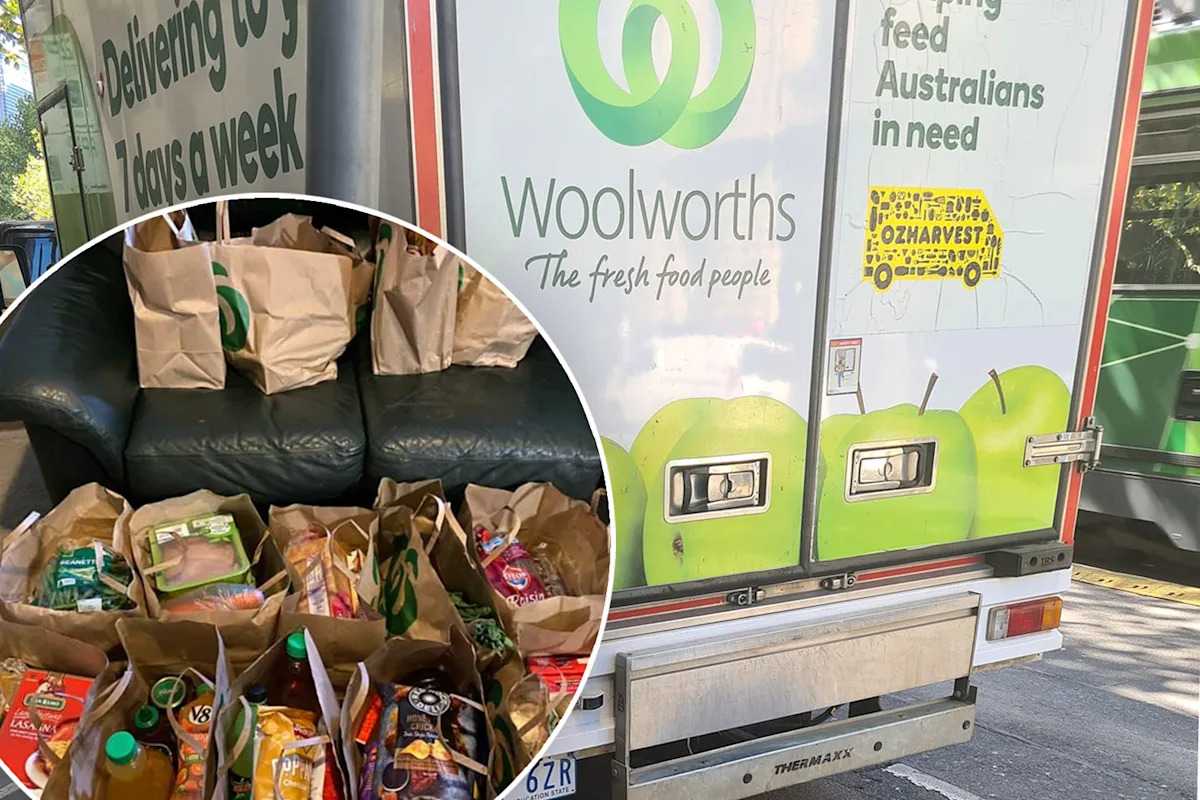
Woolworths has revealed it will, in just weeks, slap shoppers with a fresh new surcharge. But one of the nation’s leading consumer psychologists warns the retail heavyweight is entering “dangerous” territory when it comes to its reputation.
From February, Woolworths shoppers who schedule a pick-up or delivery on Sundays and public holidays will be hit with an extra $2 charge, the company confirmed to Yahoo News.
The retailer argued the new Sunday fee — set to be the first among Australia’s major supermarkets — is necessary to help absorb costs associated with “picking, packing and delivering” orders on a day that is more expensive than other parts of the week.
Historically, major supermarkets have absorbed the cost of staff penalty rates into their overall margins.
By passing this labour cost directly to the consumer, Woolworths is adopting a pricing model more commonly seen in cafés and restaurants.
The timing is particularly sensitive given the ongoing scrutiny of supermarket pricing and cost-of-living pressures in Australia.
Woolworths claims most online customers will “not be impacted” by the change.
Woolworths shoppers who schedule a pick-up or delivery on Sundays and public holidays will be hit with an extra $2 charge from February. Source: Woolworths Group
Woolworths adds new charge, but will shoppers notice?
Professor Nitika Garg, consumer behaviour researcher at UNSW, believes the move may anger some sections of the public, like shift workers.
“Consumers are generally more forgiving of small cafés and local businesses with surcharges because they assume margins are tight,” she said in an interview with Yahoo News.
Related: Woolworths, Coles, Aldi customers warned over mistake costing Aussies 40 per cent more
“Retailers are trying to get an extra margin from consumers for whom convenience outweighs the cost, while expecting more price-sensitive shoppers to adjust their behaviour.
“The danger for big corporations like Woolworths is that consumers may feel they’re already making millions in profits and are still passing costs on.”

Consumer Behaviour Researcher Professor Nitika Garg. Source: UNSW
Woolworths’ latest financial results show the company made an underlying net profit of around A$1.39 billion in the last financial year.
Although that figure reflects a 17 per cent decline year on year, it’s still a huge haul for the supermarket behemoth.
But because Australia’s supermarket sector is almost a duopoly, with limited alternatives for weekend delivery, most consumers are “trained” to accept the fee.
Even if they’re annoyed, they have few realistic options to switch.
Coles confirmed to Yahoo it wouldn’t be implementing any such surcharge, and given that, Woolworths may have given its competitor a leg up, Professor Garg said.
“The people most likely to mind are budget-conscious households who organise deliveries on weekends because they’re home,” she said.
“They’ll now have to change their habits, possibly moving deliveries to weekdays, which can be inconvenient.”
Overall, these kinds of costs being put back onto the consumer reflect a growing “shift” in Australian delivery services.
Recent analysis by consumer group CHOICE found Australians can end up paying significantly more for groceries when they’re ordered through delivery apps — with some items costing up to around 40 per cent more than if bought in person in a store.
“The cost of convenience is absolutely being shifted onto consumers. Services like Uber or DoorDash have added multiple small charges over time,” Professor Garg said, noting that groceries ordered via deliveries already have inflated pricing.
“Since Covid-19, consumers have become more comfortable with online ordering, and companies are testing how much more people are willing to absorb.
“Initially, delivery businesses tried to establish demand with free delivery. Now they’re adding all the surcharges.”
The retailer argued the new Sunday charge will help absorb costs associated with packing deliveries on the most expensive day of the week. Source: Getty
Will there be a flow-on effect?
Garg suspects that most people won’t be deterred by this fee, but they will notice.
She said the broader issue could be the herd effect.
“If Woolworths gets away with it and there isn’t much backlash, other retailers may follow suit,” she said.
“But this kind of ‘nickel-and-diming’ is not usually in the long-term interest of businesses.
“People are more sensitive to small add-on fees than to slightly higher overall prices. Charging $10 plus $1 hurts more psychologically than charging $11 upfront.”
A Woolworths spokesperson highlighted the ongoing expansion of online shopping options, including over 11 million extra delivery and pick-up slots added during the past year.
They said the change will help keep their e-commerce offering sustainable while continuing to invest in customer convenience.
Do you have a story tip? Email: newsroomau@yahoonews.com.
You can also follow us on Facebook, Instagram, TikTok, Twitter and YouTube.