
Millions of Aussies are sheltering from the heatwave and blasting their AC this week. Now they’re being asked to consider the wild animals that live in their suburbs and don’t have access to shade or respite.
Many will also be struggling to find something most of us take for granted, fresh water, and a simple backyard change will make all the difference. NSW-based rescue group WIRES has urged residents to help by placing a shallow dish of water in their yard because it could save the lives of native birds, mammals and reptiles.
It’s important they also place a few rocks or sticks inside to prevent thirsty animals from drowning.
Another must is that the water dish is placed in the shade to stop it spoiling, and away from dogs and cats, which can be opportunistic hunters.
Aussies help vulnerable wildlife in social media videos
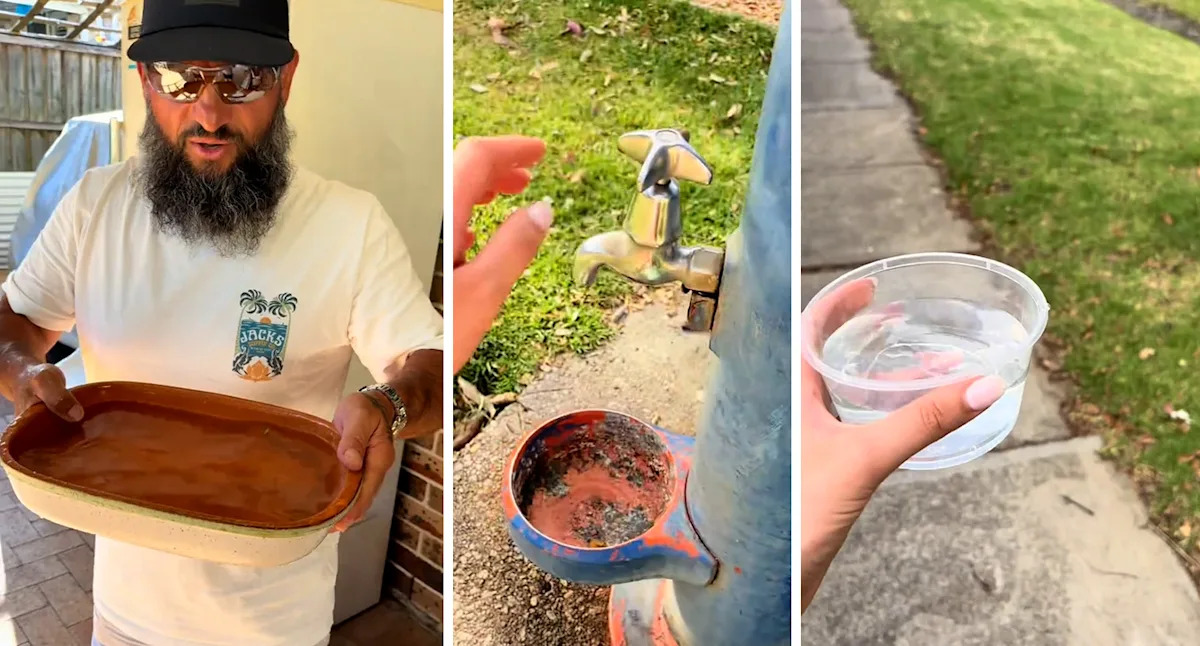
In a bid to get Aussies to help wildlife, social media users have been sharing their simple acts of kindness to help on social media.
One bearded man with sunglasses and cap, affectionately says, “The babies are here, all waiting for me in the tree,” before bringing out a large ceramic dish filled with water for his neighbourhood corellas.
Another woman distributes filled plastic containers to her local magpies and crows, and fills the dog water bowl in her local park.
Feeding wild animals is never advised, except in some extreme situations like bushfire and drought, and water should never be put directly into an animal’s mouth or it can drown.
Why can’t wild animals look after themselves?
Wild animals tend to prefer the same temperate areas as humans. Most of these areas have been developed into housing, giving animals few places to escape the heat.
Creeks and waterholes they’ve used for thousands of years have been paved over or dammed, forcing them to drink muddy water from gutters or puddles.
In some cases, the public may need to keep an eye on wildlife if it’s displaying signs of heat stress. Symptoms include:
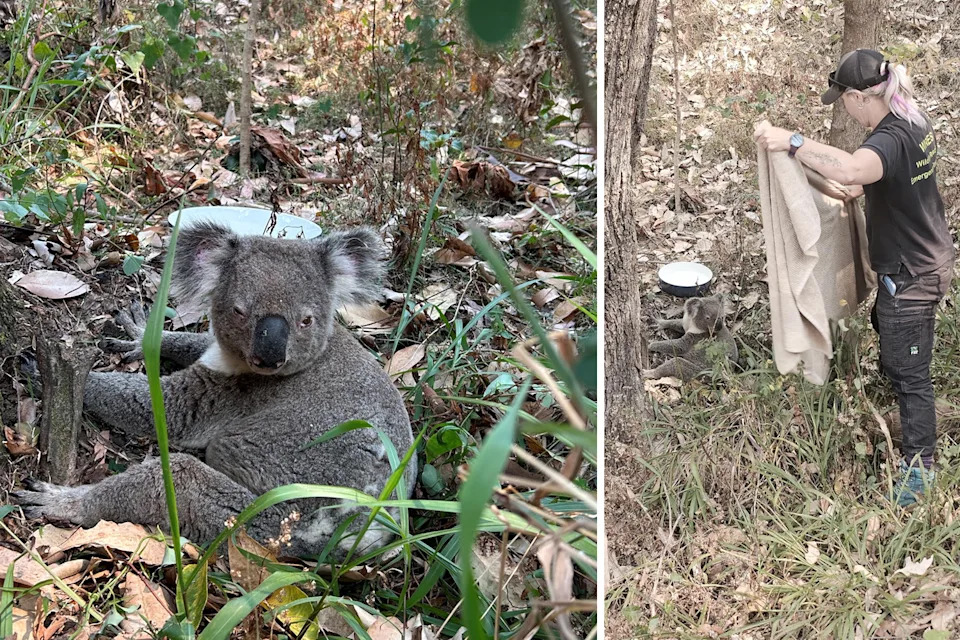
This koala was rescued by WIRES rescuer Amy Wregg on a 40-degree day in October, in Mudgeeraba, Queensland. Source: WIRES
How can I help a heat-stressed animal?
Generally, intervention is challenging, but if you’re concerned about an animal’s welfare, it’s best to contact your local wildlife group.
They’ll likely be stretched for volunteers because of the heatwave, so you’ll need to be patient.
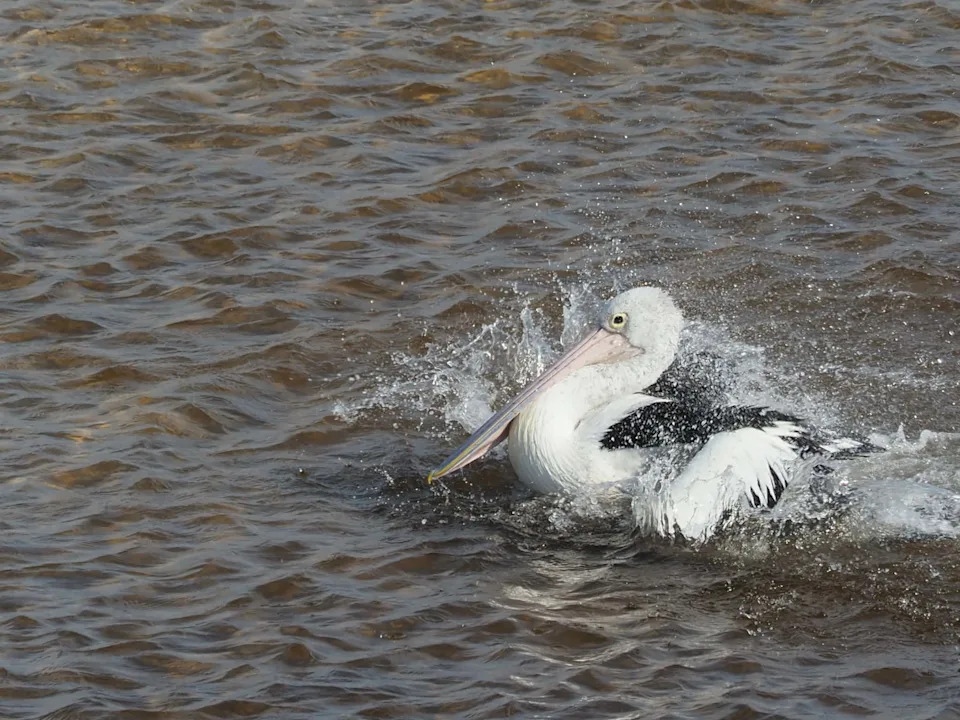
Not all wildlife is lucky enough to have access to water. Source: John Grant
Residents with pools are also urged to check for drowning animals, and anyone with a sprinkler who doesn’t have water restrictions could consider turning it on for a brief period of time.
Southern Highlands Wildlife Sanctuary works to educate the public about protecting native animals, particularly during bushfires.
Its founder Peter Lewis said the answer to tackling heatwaves is to properly prepare.
“It’s not about waiting for emergencies to happen, it’s about understanding how heat and fire change the landscape for animals, and what we can do right now to reduce pressure on them,” he said.
Love Australia’s weird and wonderful environment? 🐊🦘😳 Get our new newsletter showcasing the week’s best stories.
