
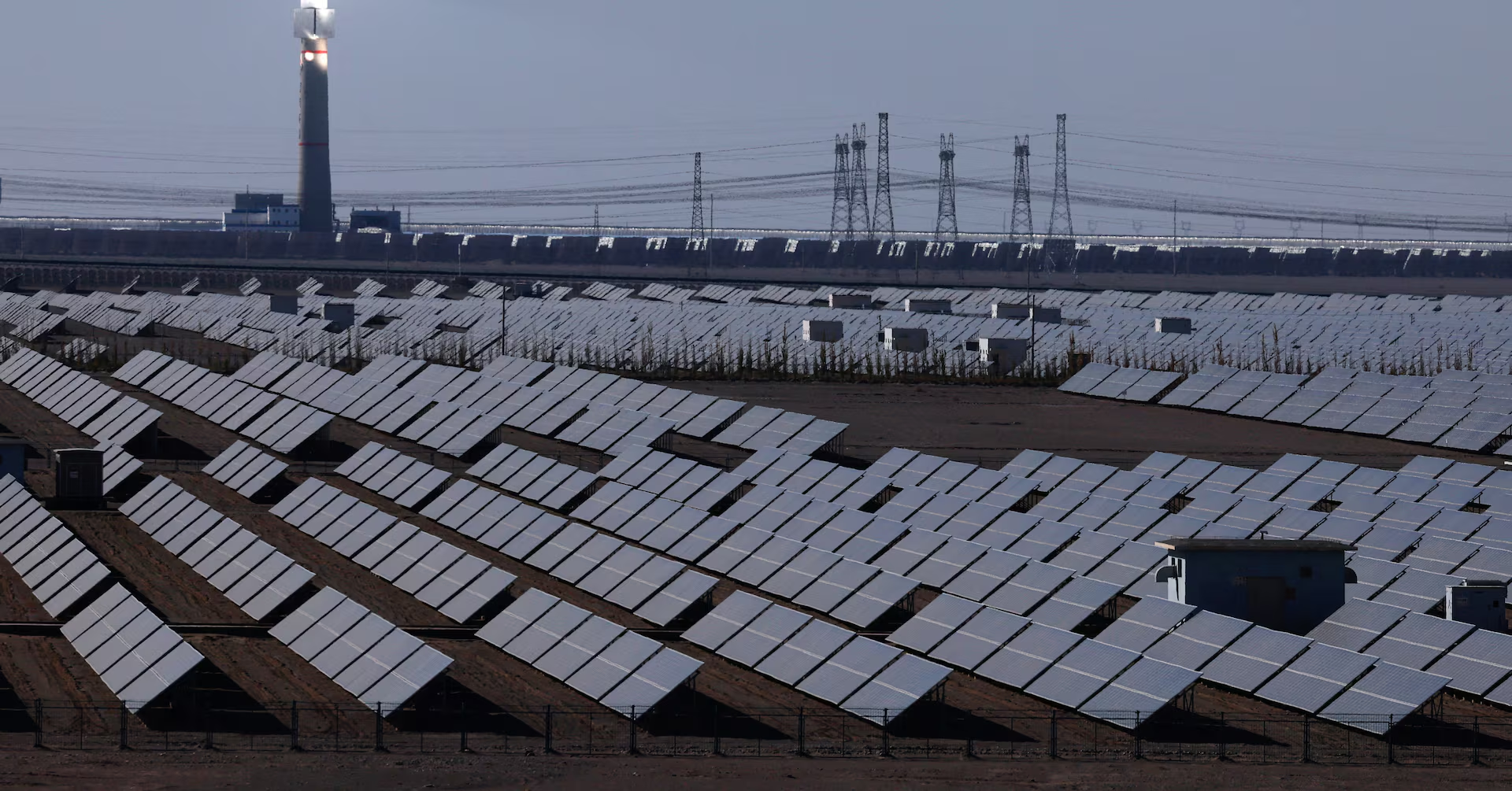
BEIJING, Jan 9 (Reuters) – China is pushing industrial parks to use more of their green power on-site instead of sending it into the grid, according to an official document on Friday, in a new policy roadmap aimed at greening manufacturing while boosting grid flexibility.
Industrial parks with newly built wind and solar generation should use at least 60% of that electricity on-site and should send no more than 20% of it into the grid, according to an industry plan for green industrial microgrids for 2026-2030 released by the industry ministry, state planner, and asset, market and energy regulators.
Sign up here.
The document defined green industrial microgrids as incorporating renewable power generation, waste energy utilisation, green hydrogen, battery storage, and digitalised energy and carbon management.
The policy is meant to cut emissions, improve the uptake of renewable power and boost industrial competitiveness, according to the document. Analysts say more parts of China in the coming years will face high rates of curtailment. That refers to grid managers limiting the amount of power coming into the network to maintain a balance with demand, or due to grid infrastructure constraints.
Industrial microgrids are required to support demand response, where users cut back their consumption at times of peak demand to ease the load on the grid, the policy document said.
It also urged heavy industry, including the refining, ferrous metals and building materials sectors, to recycle waste heat or use it for power generation and told manufacturers to incorporate digitalised energy and carbon management systems.
Reporting by Colleen Howe; Editing by Toby Chopra
Our Standards: The Thomson Reuters Trust Principles., opens new tab