
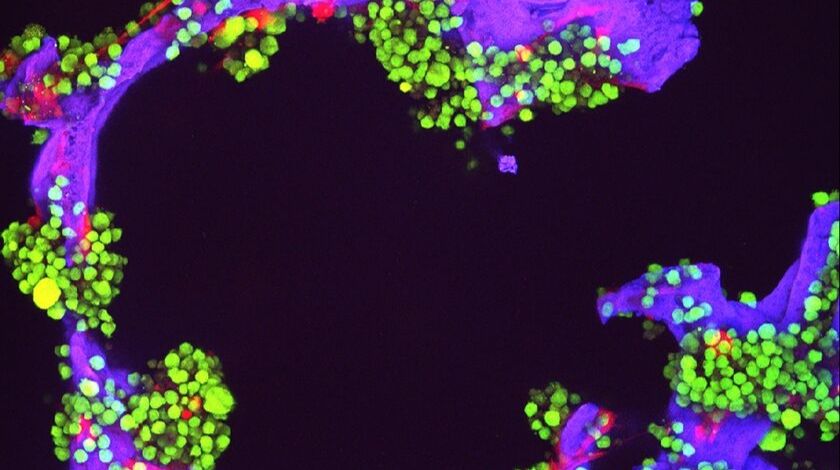
A study has unearthed potential reasons for sex differences that are observed in the clinical presentation of patients with newly diagnosed multiple myeloma.
Researchers at the University of Alabama at Birmingham (AL, USA) have identified significant sex-based differences in multiple myeloma presentation and outcomes, findings that could help shape clinical care for the second most common blood cancer in the United States.
The comprehensive investigation, published in CANCER, a peer-reviewed journal of the American Cancer Society, examined 850 patients with newly diagnosed multiple myeloma (MM) through the Integrative Molecular And Genetic Epidemiology (IMAGE) study. The research gains additional weight from parallel analyses of two major population-based datasets (the SEER database and the Multiple Myeloma Research Foundation CoMMpass study) providing in depth insight into sex disparities in this malignancy.
Male patients were more likely to present with International Staging System stage III disease, indicating advanced cancer spread. Men also exhibited higher myeloma burden, including elevated serum monoclonal proteins—abnormal proteins produced by cancerous blood cells—along with greater rates of organ dysfunction, particularly kidney failure, and more bone damage.
Conversely, women were more likely to present with low bone mineral density but generally had less severe disease manifestations. These disparities persisted even after researchers controlled for multiple variables including age, race, body mass index, education level, income, smoking history, and alcohol consumption.
Looking at parallel analyses, the findings align with broader survival data showing sex-based disparities in multiple myeloma outcomes. A separate analysis of two large population-based datasets – the SEER database covering 78,351 MM patients and the Multiple Myeloma Research Foundation CoMMpass study of 1,143 patients – revealed that women consistently demonstrated better overall survival and progression-free survival compared to men. This female survival advantage remained even after adjusting for age, disease staging, performance status, and treatment factors.
The research points to several potential biological explanations for these sex differences. Chromosomal abnormalities that trigger myeloma development appear to occur more frequently in younger males, potentially explaining the higher incidence and more aggressive presentation in men.
Immune system differences between sexes may also play a role. Men typically have higher frequencies of regulatory T cells (Tregs), which are associated with adverse clinical features and disease progression in multiple myeloma.
“This research suggests that sex-specific mechanisms promote multiple myeloma pathogenesis, which may account for the excess risk seen in men,” explained lead author Krystle L. Ong (O’Neal Comprehensive Cancer Center at the University of Alabama at Birmingham). “These findings may be used to improve risk stratification, diagnosis, and tailored treatments for both men and women with newly diagnosed multiple myeloma or related early precursor conditions.”