
Unlock the White House Watch newsletter for free
Your guide to what Trump’s second term means for Washington, business and the world
Microsoft is pledging to “pay its way” for its AI data centres, as soaring US electricity prices and water use bring a backlash against tech companies and the Trump administration’s AI push.
At a meeting in Washington on Tuesday, Microsoft president Brad Smith said the company would pay higher electricity rates in areas it builds data centres to cover the costs of new power generation and grid upgrades — as well as replenish water drawn from reservoirs to cool their technologies.
“We need to be more transparent,” Smith said.
“In the past data centres were built without a lot of communication . . . that created a culture in our industry that we need to evolve and change.”
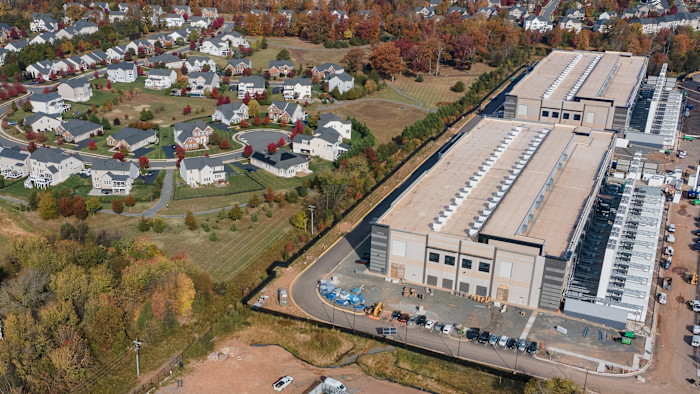
The announcement comes amid rising concerns over the proliferation of energy-intensive data centres to power AI. In October, Microsoft was forced to cancel a 244-acre data centre project in Wisconsin after locals rallied against the plan.
The Trump administration has named “win[ning] the AI race” as a strategic priority, but it is also on the defensive over rising energy costs associated with the rollout of the tech.
President Donald Trump pledged during his presidential run in 2024 to halve consumer electricity bills, but prices have continued to rise in recent months.
Polling shows American voters remained concerned about high living costs and an affordability crunch, which has left Trump’s approval ratings near historic lows.
“I never want Americans to pay higher Electricity bills because of Data Centers . . . big Technology Companies who build them must pay their own way,” he wrote on his Truth Social platform on Monday.
Average residential electricity prices have risen by 5 per cent across the US in the 12-month period from October 2024, but states such as New Jersey and Virginia — where the so-called data centre alley is located — have experienced double-digit increases.
Energy affordability was a flashpoint in political races in recent months and helped Democrats sweep local election races in November, putting more pressure on Trump.
Microsoft said it supported a proposal from utility We Energies in Wisconsin for data centres to pay more for their electricity, and had asked the state’s authorities to increase the amount it charges.
Among other pledges, Microsoft said it would hire locals to work in its data centres — although the facilities do not employ many people.
In a separate effort to see off a deepening backlash, utility Georgia Power has said customers “will not feel the blow” of data centres drawing electricity from the grid.
Analysts said the moves reflected Big Tech’s efforts to answer consumers’ concerns about AI and rising electricity bills.
“It is going to be increasingly incumbent on utilities and these large customers to communicate why and how this is not increasing rates,” said Josh Price, an energy director at Capstone, an advisory.
Sceptics have criticised the lack of transparency in deals between data centre developers and utilities.
Recommended

A 2025 study by Harvard’s Electricity Law Initiative said that agreements were frequently “opaque” and the atomised US meant ratepayers often ended up footing the bill for new infrastructure.
Implementing Microsoft’s plan and “verifying that there are no spillover costs that infect residential bills” would be “devilishly complicated”, said Ari Peskoe, the study’s author.
“Full transparency about the deals, which has not been a feature of special side deals between utilities and Big Tech, is necessary,” he said.