
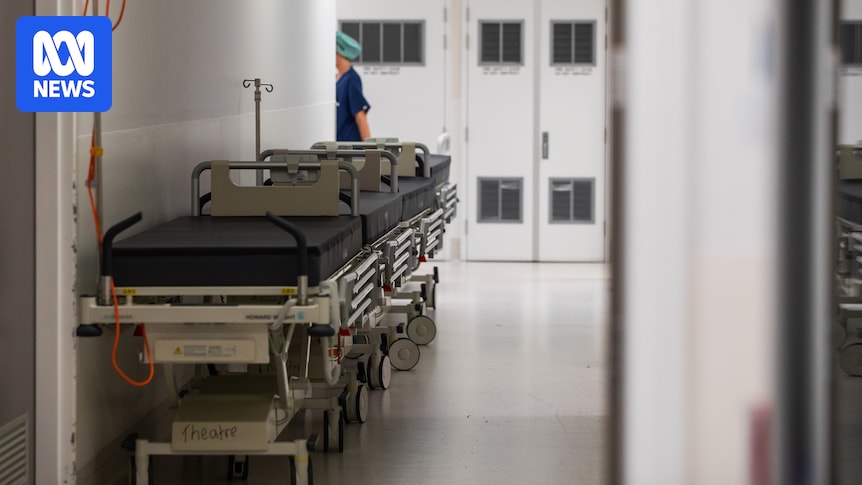
Western Australia’s aging public hospitals are too reliant on reactive maintenance, with no dedicated funding to keep them up to scratch and little data to inform future decisions.
Those are among the findings of a scathing review into how WA Health manages its $7.6 billion portfolio of hospitals across the state.
The audit was ordered in August after weeks of media reports highlighted aging facilities in Perth’s public hospitals.
It came during a record flu season for the state which forced elective surgeries to be cancelled as ambulance ramping records were broken month after month.
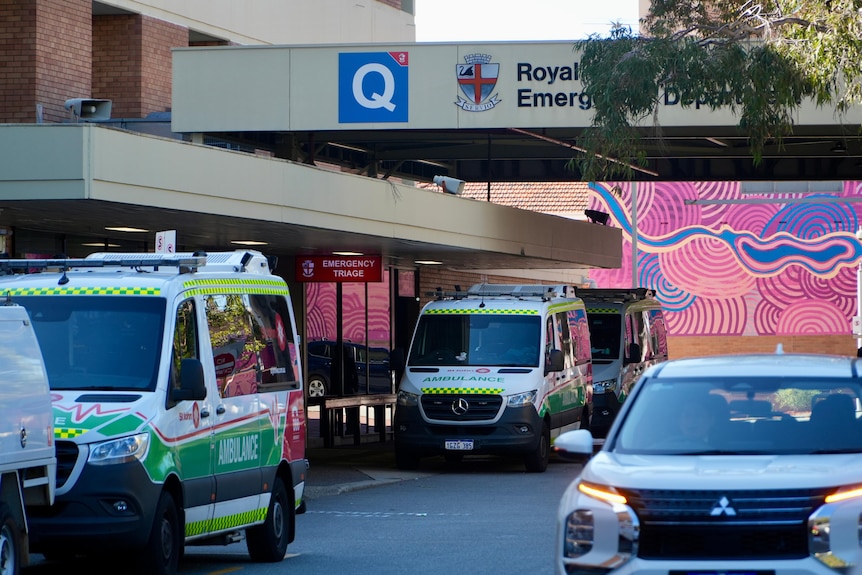
The review was carried out by former senior bureaucrats Michael Barnes and Neale Fong. (ABC News: Courtney Withers)
A summary of the review, released publicly today, shows few positives in the way WA Health manages the maintenance of hospitals, with funding, poor processes and limited data collection identified as key issues.
Reactive maintenance
According to the audit, about 75 per cent of all maintenance work in the North and East Metropolitan Health Services was reactive.
Taking the pulse of WA’s health system
That includes several major hospitals like Joondalup, Sir Charles Gairdner and Royal Perth.
By comparison, Queensland’s health system aims for 65 per cent of maintenance to be planned and pre-emptive, the review said, with progress tracked over time.
The review found WA, in contrast, had severely limited data with no system-wide view of the condition of the state’s hospitals or how and when maintenance is undertaken.
Adding to those problems, the reviewers said, was that the health services that have direct responsibility for hospitals are given one lump sum of money for every aspect of those facilities, from staffing to maintenance.
“This means that maintenance activities [both planned and reactive] compete with clinical service demands for funding,” the summary reads.
It found that the carve-up of money by individual health services was “not based on asset condition, criticality or performance metrics” but instead on spending in previous years.
The audit also found those pressures were exacerbated by annual funding cycles, which “can create pressure to prioritise readily deliverable, lower complexity projects ahead of higher risk, multi-year renewals”.
Outdated modelling
A state-wide tool meant to help prioritise maintenance work exists “but is not embedded in policy or consistently applied”, and there is limited “consistency, accountability and assurance” across the system.
Preventative maintenance is often “Excel based” and focused on time, rather than the risk of failure or the condition of equipment, the review found.
New WA hospital not a silver bullet, says former health boss
Future planning is limited by “outdated” estimates of demand and a lack of “master plans” for major hospitals like Royal Perth and the QEII campus, which includes Perth Children’s Hospital and Sir Charles Gairdner Hospital.
Unlike New Zealand, Queensland and New South Wales, WA does not have a system-wide target for maintenance spending, according to the review.
The government said work was underway to review that funding mechanism and separate out clinical and maintenance budgets.
“Ultimately, we’ve got to do better in the procurement and in the management, and that’s the main message from the review,” Health Infrastructure Minister John Carey said.
“We’re endorsing, we’re accepting all the recommendations and I’m committed to delivering them.”
The Director General of the Health Department, Shirley Bowen, said the review identified issues she had been aware of and had been working to address.
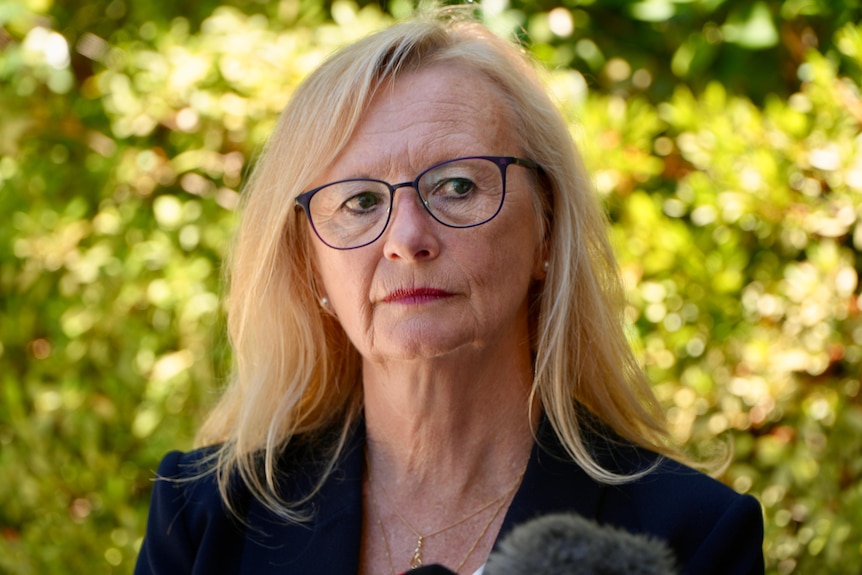
WA Health Director General Shirley Bowen says she has been working to address the problems. (ABC News: Courtney Withers)
“This report … is less about money than it is about processes and procurement,” she said, acknowledging she “perhaps” could have done more to resolve issues sooner.
Mr Carey said the government had been investing significant in maintenance with $260 million spent on maintenance last financial year, and a similar amount set aside for this financial year.
He said that was on top of $4.9 billion the government has committed to building new hospitals or upgrading existing ones.
System in crisis
Shadow health minister Libby Mettam said the fact three-quarters of hospital maintenance was reactive showed the system was in “crisis”.
“Western Australia is the richest state in the country and we deserve a better approach, an approach which shifts away from crisis management,” she said.
Opposition leader Basil Zempilas said Premier Roger Cook, who was health minister between 2017 and 2021, needed to take some responsibility for the issues identified in the report.
“The Cook Labor government, whoever has been the health minister, have had nine years at this,” he said.
“And to walk out today with yet another report and say we’re going to do better, the time for that excuse has long expired.”
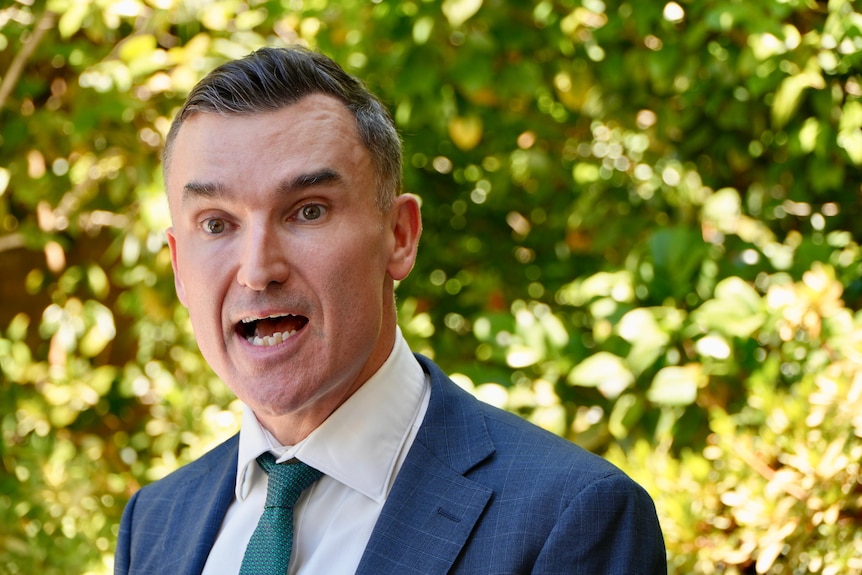
Health Infrastructure Minister John Carey says he remains committed to fixing the issues. (ABC News: Courtney Withers)
The review also identified problems with processes for procuring and approving work, which was slowing down maintenance work, with cheap, low-risk projects facing the same scrutiny as major projects and outdated contracts.
Workforce shortages, particularly in trades, have also compounded problems.
Mr Carey said in some cases there had been an “over-correction” after corruption was found within the Department, which meant it was taking too long to get money out the door for minor work.
He said of a $50 million fund to “supercharge” maintenance at three of the state’s oldest hospitals — Sir Charles Gairdner, Royal Perth and Armadale — announced at the same time as the review, about $20 million has been spent or contracted.
Loading