
The Fights That Don’t Get Made
What doesn’t make sense right now are names like Osleys Iglesias or Christian Mbilli. Iglesias is big, hits hard, and fights southpaw. That’s an awkward night with limited upside. Mbilli pushes a pace that doesn’t let you settle, and that’s the kind of fight veterans tend to avoid unless the money makes it impossible to pass up. Neither one is getting that kind of offer right now.
If Alvarez ends up fighting Jose Armando Resendiz instead, it wouldn’t surprise anyone. Resendiz was elevated to mandatory status without actually winning the belt, and choosing him would be consistent with how Alvarez has handled the division for years. It wouldn’t clear anything up. It would just keep things where they are.
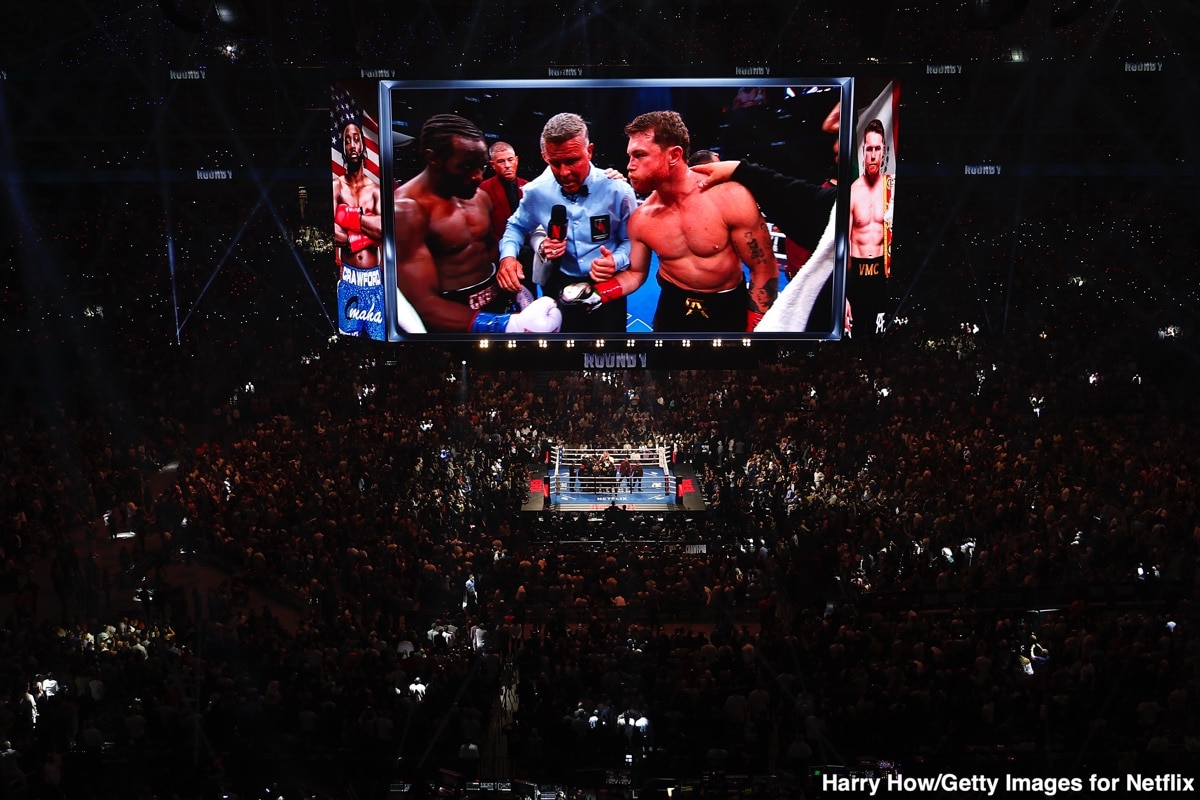
Alvarez held all four titles at 168 because he controlled the terms. He stayed away from the styles that made things difficult and picked fights that allowed him to dictate pace and positioning. It worked, but it also meant the division stopped moving. Other fighters followed that lead. When the top stays put, the rest of the weight class does too.
The Role of Outside Money
The only thing that tends to break that pattern is money that comes from outside the usual structure. When Turki Alalshikh gets involved, fights that sat dormant suddenly get scheduled. Not because anyone changed their mind about the risk, but because the price finally justified it. Without that factor, the division goes back to rewarding patience.
If a unification fight happens at 168, it won’t be because anyone demanded it. It will be because someone paid for it. And if a fighter like Iglesias benefits from that, it will be because the money forced a decision that wouldn’t have been made otherwise. Until then, the division keeps rewarding the ones who wait, and Canelo has already shown that waiting, when done right, looks a lot like control.