

January 17, 2026 — 5:33pm
Save
You have reached your maximum number of saved items.
Remove items from your saved list to add more.
Save this article for later
Add articles to your saved list and come back to them anytime.
Got it
AAA
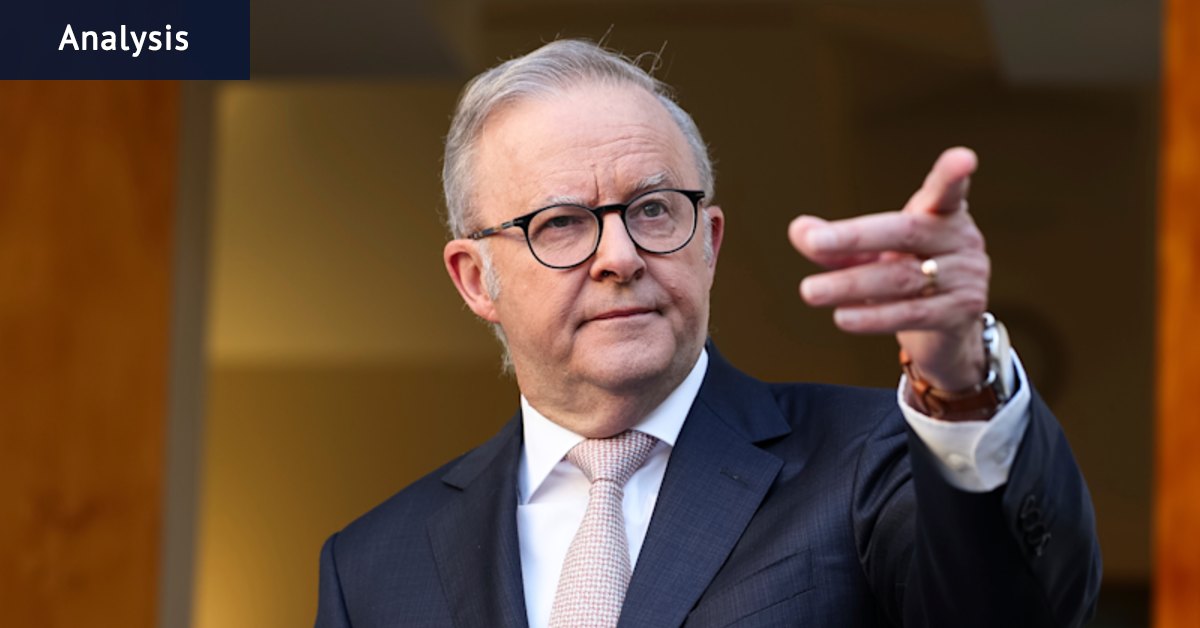
Anthony Albanese just blinked in a high-stakes game of chicken.
Stripping out controversial anti-vilification laws from a sprawling bill to counter antisemitism, after spending a week saying the laws must be passed as a whole, represents his second backdown in 10 days, following on from his royal commission reversal.
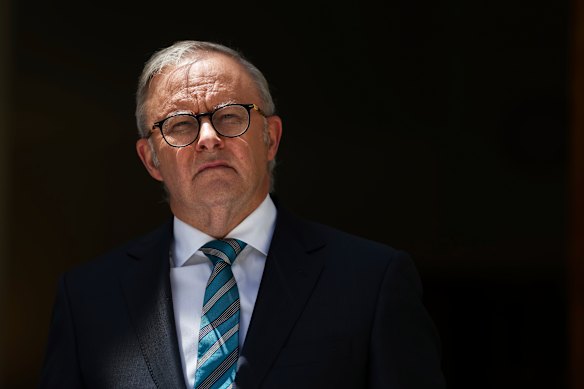 Prime Minister Anthony Albanese.Alex Ellinghausen
The move reflects poorly on what his political opponents always felt was a strategy to wedge them into backing policies they were uncomfortable with, at the risk of otherwise appearing obstructionist. Although, any embarrassment the prime minister might have felt was surely outweighed by the imperative of acting as a steward for the nation.
By ditching the most contentious elements of the bill, Albanese, probably through gritted teeth, has avoided what would have been a shameful scene if parliament failed to unite after the worst massacre of Jews since the 2023 Hamas attacks when it is recalled next week. After the royal commission episode dented his standing, he couldn’t afford another similarly bruising moment, even if the Coalition would have shared some of the blame.
Related Article
The prime minister acknowledged that the caustic debate on the legislative response to the massacre, designed to heal the country, had actually torn at our fragile social fabric.
“We are going out of our way to support propositions that will promote unity. That is what is required. And that’s why we need to get this done this week, not have ongoing debate,” he said.
After the Greens hardened their stance on Saturday morning, refusing to pass the hate speech laws, Albanese moved quickly to lance the wound and accept the fate of his omnibus bill.
The proposed laws we are left with are still a big deal. They are also more directly focused on lowering the probability of a Bondi-style attack happening again.
In a new, separate bill on gun restrictions, non-citizens will be barred from owning a gun, ASIO background checks will inform background checking, and states will buy back guns, which have proliferated since John Howard’s weapons clampdown after the Port Arthur massacre. This tranche of laws will pass with the support of the Greens.
The second bill on hate crimes will grant the government extraordinary new powers to jail people associated with outfits deemed “hate groups”. Already, the Jew-hating National Socialists Network has disbanded under threat of the new laws. Radical Islamists Hizb ut-Tahrir will likely be targeted. The government will also more easily block visas for hate-filled activists, and Islamic hate preachers, firmly caught up in the backstory to the Bondi attack, will face tougher penalties.
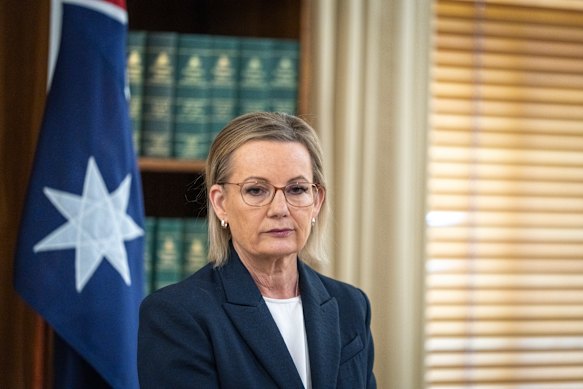 Opposition Leader Sussan Ley.Eamon Gallagher
The proposal to outlaw the promotion of hatred, which spurred opposition from right and left-wing free speech advocates and religious leaders, is dead. Decades of attempts to enact such laws have run into a similar fate due to the diabolical trade-offs on what types of speech would fall foul of the laws.
It was always ambitious for Labor to attempt to inject such a big and complex proposal on hate speech into the speedy process necessitated by the Bondi attack. Opposition Leader Sussan Ley looked hypocritical this week opposing the laws after previously demanding an even speedier process. But the reality is the Coalition’s convictions on free speech meant it would never support the speech clampdown once it read the draft laws in the cold light of day.
The prime minister was wounded as he was pushed into calling a royal commission. But as the last week showed, Albanese’s backflip allowed him to quickly put pressure back on his opponents.
Related Article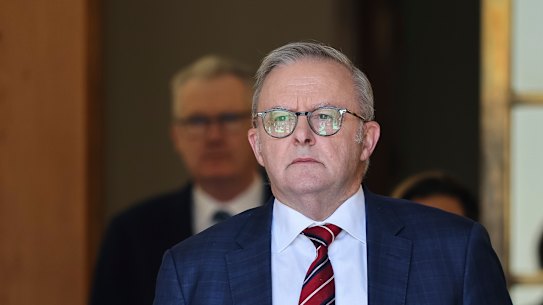
His reversal on Saturday will put a spotlight back on the Nationals’, and some regional Liberals’, anxiety about gun restrictions. Coalition sources said on Saturday that they would probably oppose the gun law package. The hate crimes bill is more amenable to the opposition, but some MPs do not like the new powers on banning hate groups and would prefer radical Islamists are dealt with under existing terror laws.
Parliament needs to project a sense of harmony when it meets for the first time after Bondi. But the relationship between our major party leaders and the incentives underpinning their behaviour are failing the nation.
Is the well of goodwill so thoroughly poisoned that a consensus can’t be reached even after Australia’s worst terror attack?
Albanese, addicted to winning after last May’s election, is loath to build up Ley’s legitimacy, because he believes she will not last in the job. So Labor may consult her – as it last Monday – on the hate speech bill, but the Coalition doesn’t believe Albanese when he reaches out across the aisle.
Related Article
On Ley’s side, she is so lacking in control of her party room that she often fails to present a coherent position to the government. The Bondi episode has done little to bolster Ley’s leadership prospects. In a series of crunch moments now, she has been dragged to her position by her recalcitrant right flank, which is more focused on toppling her than finding common ground with Labor.
“They will have no excuse,” Albanese said when asked if his opponents would back the slimmed down laws, a sign of the criticism Ley will receive next week if the Coalition doesn’t meet Labor halfway.
“We know that there are some in the National Party who were saying they were against the gun law provisions … We are separating out the bills. That is something they have asked for.
“It is time that the politics stopped and that they stood up for what is in the national interest.”
Start the day with a summary of the day’s most important and interesting stories, analysis and insights. Sign up for our Morning Edition newsletter.
Save
You have reached your maximum number of saved items.
Remove items from your saved list to add more.
 Paul Sakkal is chief political correspondent. He previously covered Victorian politics and has won Walkley and Quill awards. Reach him securely on Signal @paulsakkal.14Connect via Twitter or email.From our partners