
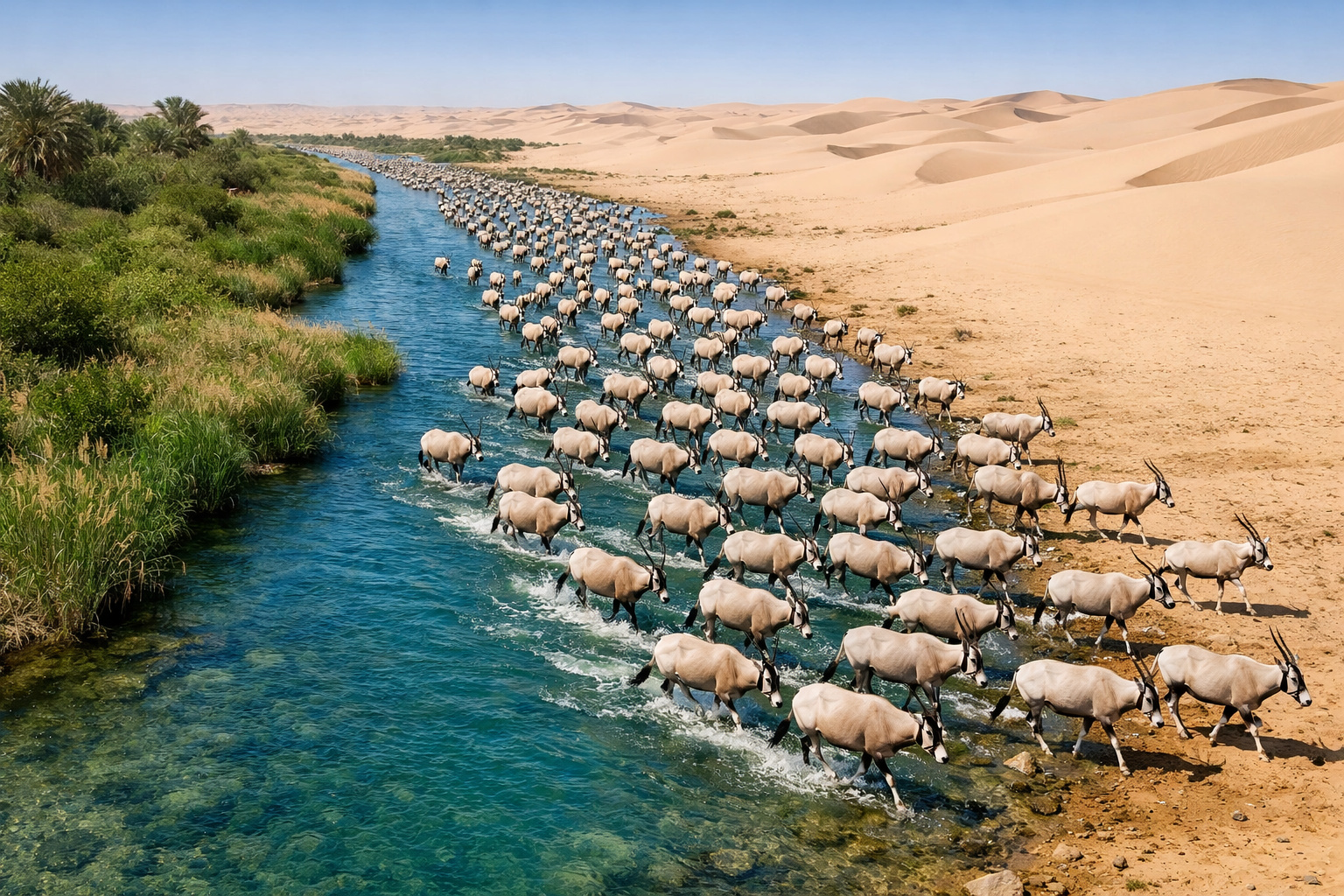
An unlikely experiment in the heart of the Sahara revealed that nature itself, when properly reintroduced, can reverse advanced desertification processes that seemed irreversible.
Using dying nature to save the nature that still lives seems, at first glance, a contradiction. However, after decades of failed artificial soil recovery projects, Chad—a country where about 60% of the territory is occupied by arid deserts—decided to bet on a solution considered improbable even by experts. With an initial investment of only $7M monthly And with the reintroduction of a species considered extinct in the wild, something began to quietly change in the Sahara.
The information was released through environmental conservation reports and technical articles related to… Sahara Conservation Fundor a Abu Dhabi Environment Agency and Smithsonian Institution, who followed the project from its initial phases. What seemed like a high-risk experiment ended up becoming one of the most impressive cases of ecological restoration ever documented in the Sahel region.
Before that, the situation was critical. Of the 40% of Chadian territory that is not complete desert, almost a third was on the verge of total desertification. Each year, the Sahara advanced dozens of kilometers southward, like a slow and relentless gear, swallowing fertile soils, rural villages, and waterways. Lake ChadThe economy, which in the 1960s supported millions of people, had shrunk to about… 10% of its original size, becoming a symbol of the region’s environmental collapse.
— ARTICLE CONTINUES BELOW —
See also other features
An adventurer was stranded in the Amazon for three weeks, crossing swollen rivers, facing tropical storms, infections, and endless nights under the jungle canopy.
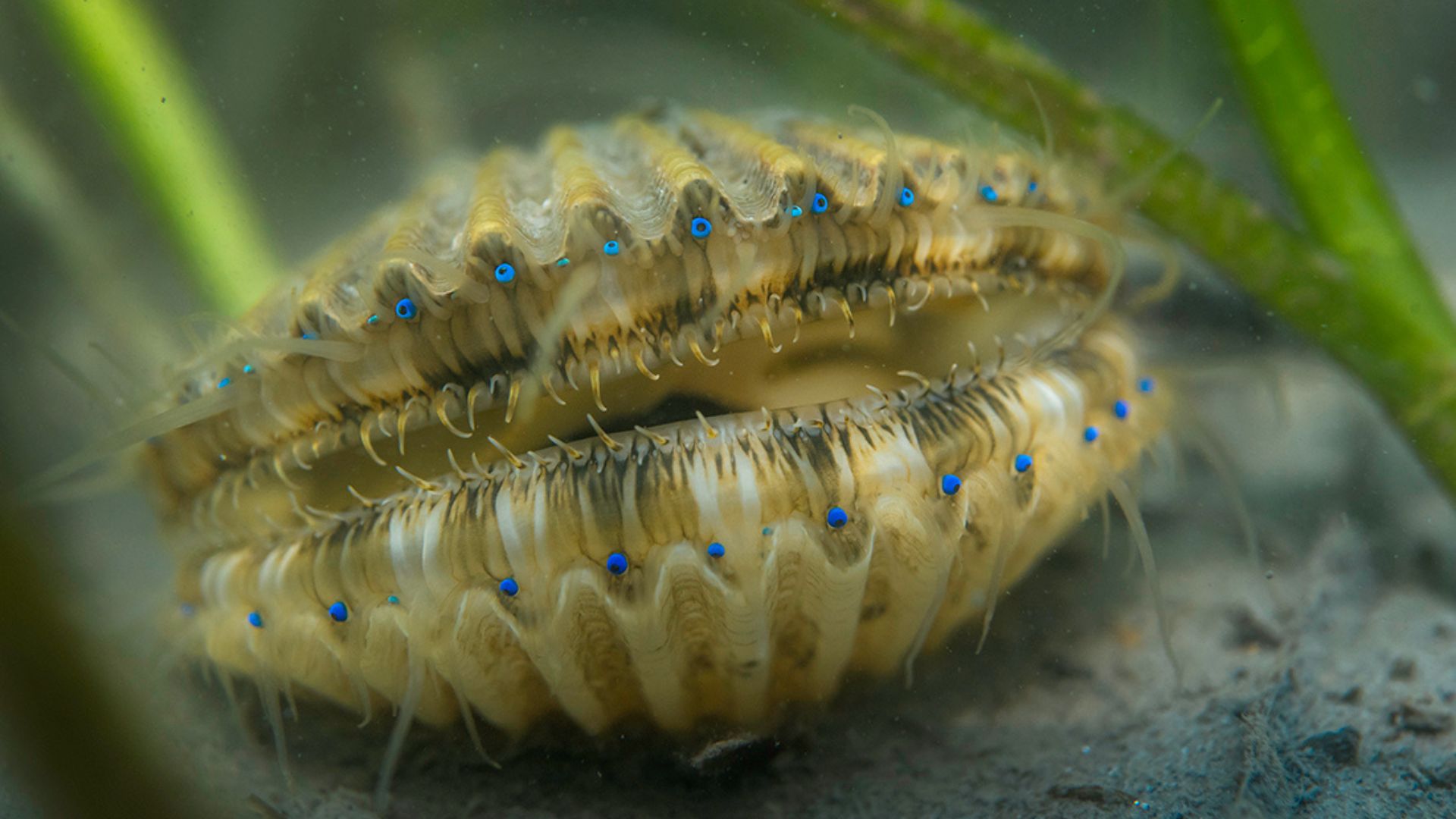
Why did tens of millions of seeds scattered in nearly vegetation-free lagoons end up recreating an underwater meadow that changed the water, the fauna, and even the coastal economy of Virginia?
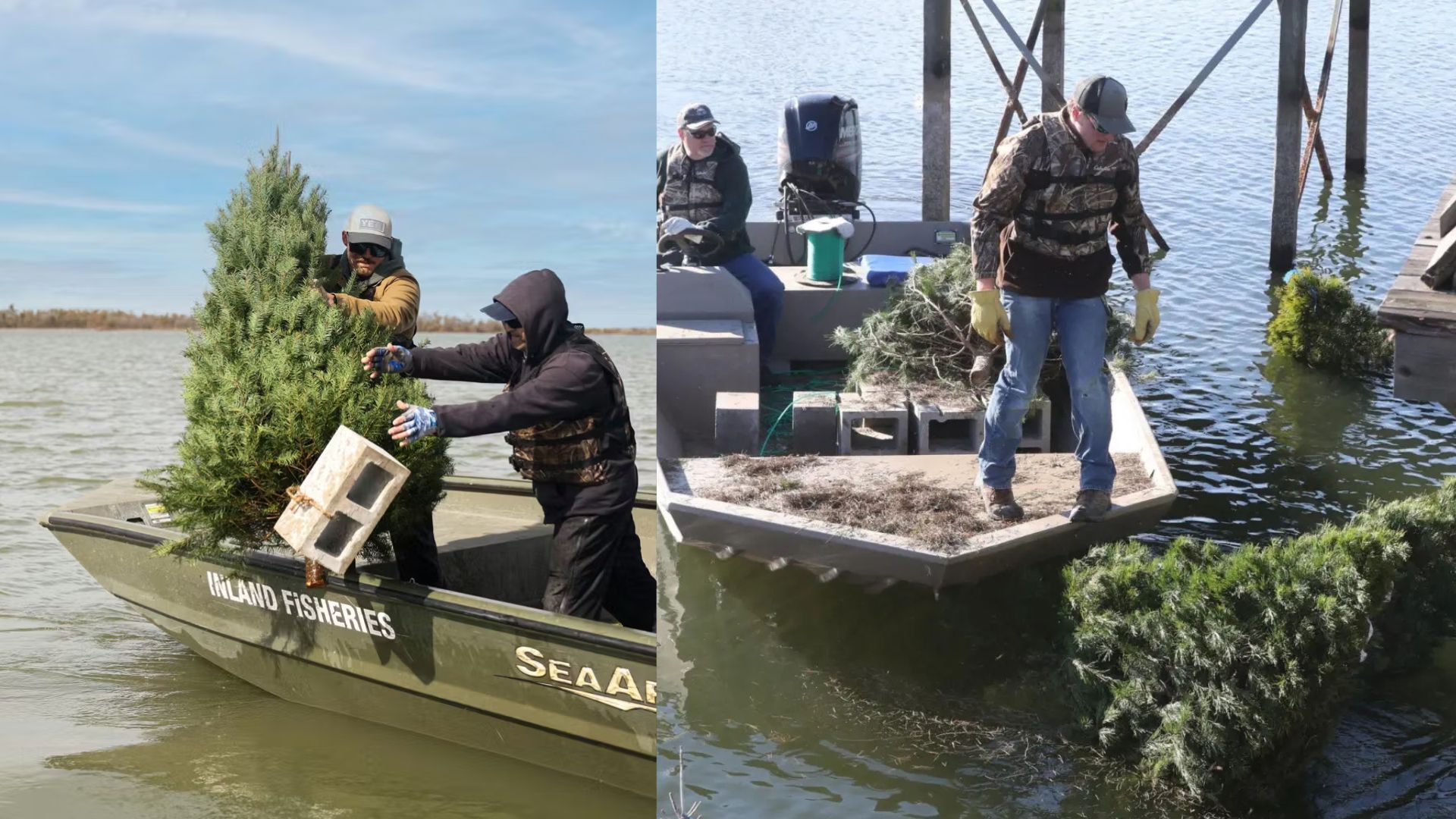
How discarded Christmas trees are turning into branch “reefs” in lakes, creating shelter for fish, boosting local fishing, and transforming seasonal waste into an environmental tool.
With the tide rushing into homes and an entire community crammed onto a tiny island, Pugad struggles to survive the sinking ground in Manila Bay, Philippines.

Projects involving artificial water pumping, direct seed planting, and the construction of windbreaks have been attempted for decades. All have failed. It was in this context that the boldest idea of all emerged: to use the desert’s own biology to contain the advance of the sand.
The antelope that disappeared and took the balance of the desert with it.
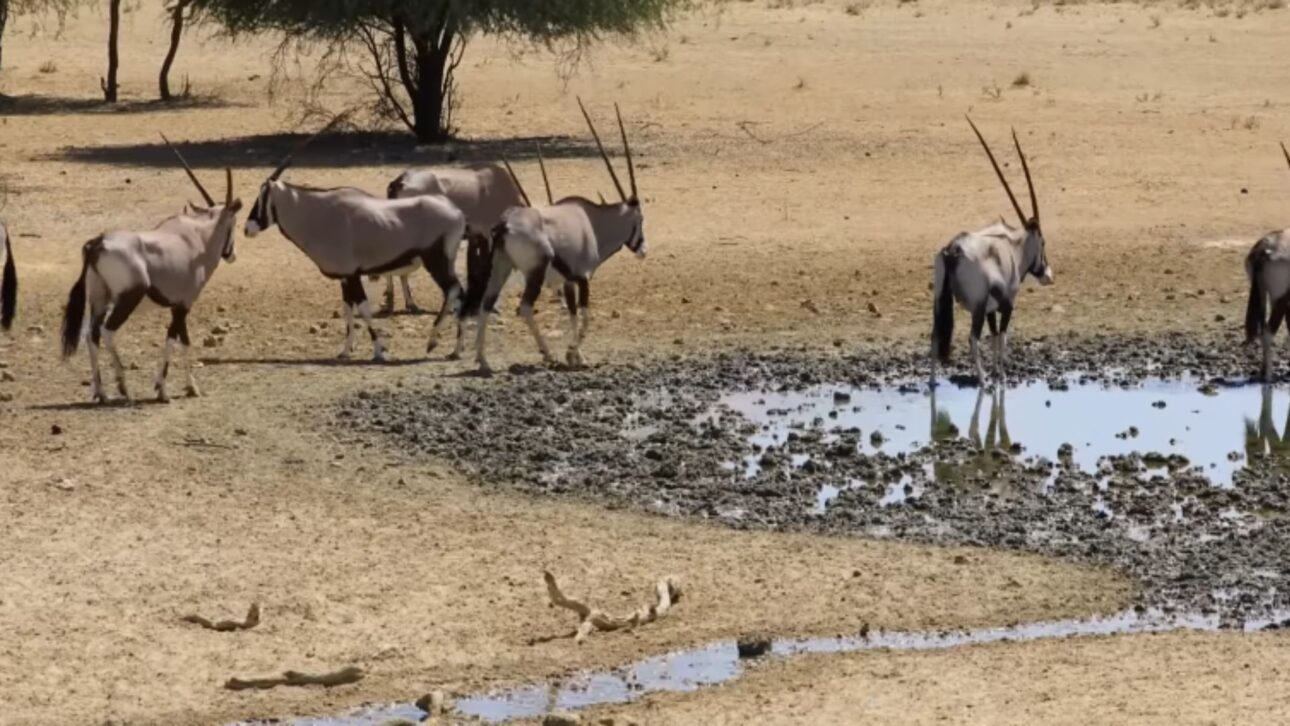 Oryx antelopes reintroduced to the Sahara help restore the soil and curb desertification.
The protagonist of this story is… curved-horned orix (Oryx dammah), a large antelope that, until the mid-20th century, roamed vast areas of North Africa. With silvery-white fur capable of reflecting extreme heat, and long, curved, blade-like horns, the animal was perfectly adapted to the most hostile environment on the planet.
Even under temperatures that exceeded 46 ° CThe oryx did not sweat. Instead, it raised its body temperature to reduce water loss. With its wide hooves and snout, it dug into the sand in search of roots and moisture, creating small depressions in the soil where nothing else could survive. These excavations, though discreet, played a fundamental role in retaining moisture and maintaining the fertile layer of the desert.
Despite this extreme resistance, the orice was declared. Extinct in the wild in the year 2000.The reason, as in so many other cases, was human action. Since the 1950s, indiscriminate hunting transformed their horns into luxury items sold in Europe and the Middle East. The skin was used to make drums, and the meat became a delicacy. With the arrival of modern rifles and motorized vehicles, entire herds began to be exterminated in a few hours.
Furthermore, the expansion of agriculture and livestock farming eliminated grazing areas, while successive droughts and armed conflicts in Chad and Niger between the 1970s and 1990s destroyed any attempt at protection. By the end of the 20th century, the oryx had completely disappeared from the landscape.
The ecological impact was immediate. Without the animal, the soil lost its ability to retain moisture, the fertile layer dissipated, and vegetation ceased to grow. Scientists began to warn that, without a new biological solution, much of the central Sahel could disappear from the agricultural map within a few decades.
The program that brought life back to the desert and surprised the scientific community.
Given this scenario, in 2016The government of Chad launched, in partnership with Sahara Conservation Fund and Abu Dhabi Environment Agency, Saharan Horned Oryx Reintroduction ProgramThe plan was ambitious: to return the oryx to its natural habitat in an area of 78 thousand km², larger than Ireland, in the sanctuary of Ouadi Rimé–Ouadi Achim.
More than 70 international expertsComing from the United States, France, the United Kingdom, and the United Arab Emirates, in addition to dozens of local professionals, were mobilized. The initial investment of $7M monthly It funded weather stations, satellite monitoring centers, and an adaptation camp in the middle of the desert. There, the animals learned to withstand extreme heat, search for food, avoid predators, and move in groups.
The first individuals, equipped with GPS collars, were transported from Abu Dhabi to Chad in 2016. Just six months later, the first cub was born in the wild—the first in more than… 30 yearsIn the following years, new groups were released, forming stable flocks and reproducing naturally. 2023However, the wild population had already grown significantly, leading the International Union for Conservation of Nature (IUCN) to change the species’ status from “extinct in the wild” to “endangered.”
The journey, however, was far from simple. In the first few months, about a third of the animals died due to the extreme heat, with temperatures exceeding… 50 ° CExhausted pups succumbed in the sand, and some GPS devices even melted under the sun. Still, the team adapted their strategy, digging wells, bringing water to critical areas, moving the herds to shadier areas, and teaching the animals to be more active at night. As a result, the survival rate increased. 65% to 90%.
As the oryxes returned to roaming the Sahara, the effects began to appear. The burrows made by the animals allowed rainwater to penetrate the soil instead of running off. The depressions created when they lay down formed… mini-oasis…where grasses and insects reappeared. Seeds attached to the fur fell along the way—a single group could scatter hundreds a day, and a small germination rate was enough to turn previously barren areas green again.
The nutrient-rich manure and the large hooves helped retain moisture and restore soil structure. Satellite imagery allowed scientists to identify visible changes in vegetation cover, something rarely observed in such recent restoration projects.
Meanwhile, science provided support for the project outside the desert. Smithsonian InstitutionResearchers have developed an artificial insemination technique without anesthesia, crucial for animals weighing more than 200 kg and could die from thermal shock. The method achieved 70% success rate, restored approximately 90% of the original genetic diversity and reduced transportation costs by 80%, ushering in a new era of international conservation.
The success extended beyond Chad’s borders. Neighboring countries, such as Niger and Tunisia, initiated similar projects, connecting populations through ecological corridors. Even 2030Scientists hope that a large ring of natural areas will allow migration between regions of the Sahara, something that hasn’t happened in over half a century.
The Smithsonian already recognizes the case of Chad as one. global model of ecological restoration…comparable to the impact of the reintroduction of wolves in Yellowstone. At sunset, when the sands of the Sahara take on reddish hues, herds of oryces cross lands once considered dead, proving that nature, when returned to its place, still knows how to heal itself.