Welcome to Yahoo’s weekly column where lawyers Alison and Jillian Barrett from Maurice Blackburn tackle problems everyday Aussies face — whether it be consumer, property, money matters, relationships or work.
Question
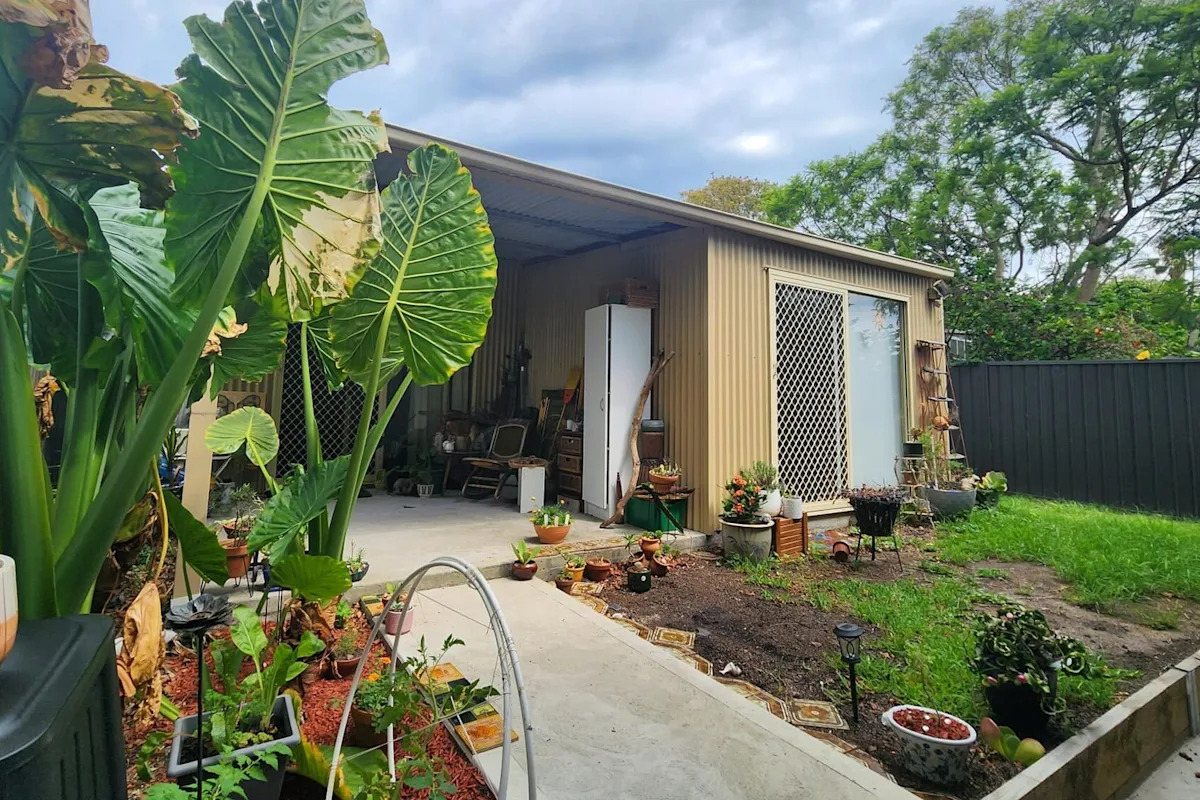
I rent a granny flat that doesn’t have its own water meter, but my landlord charges me for water usage every quarter. I have no way of knowing if I’m being billed fairly or if I’m paying for the main house’s usage as well. I’ve asked for clarification, but haven’t received a clear answer. Should tenants be paying for water when there’s no separate meter? And if the landlord can charge for water, how is a fair amount calculated in situations like this? I’m worried I’m paying more than my share.
Answer
This is a common issue for tenants in secondary dwellings like granny flats, and the answer depends on what your lease says and what the law allows.
Across Australia, the rules are clear — tenants can only be charged for water usage if certain conditions are met.
These typically include:
The property is individually metered (or water is delivered by vehicle)
The property meets water efficiency standards (e.g., taps and showerheads with a maximum flow rate of nine litres per minute, dual-flush toilets)
The tenancy agreement explicitly states the tenant must pay for water usage.
If any of these conditions aren’t met, for example, if there’s no separate meter, the landlord must cover water costs.
Granny flats and shared meters
When a granny flat shares a meter with the main house, things get complicated.
Legally, landlords can’t enforce water usage charges without a separate meter because they’re not based on actual consumption.
Do you have a matter you’d like us to weigh in on? Contact newsroomau@yahoonews.com and we might feature it next.

Alison and Jillian Barrett are Principal Lawyers at Australia’s leading plaintiff law firm, Maurice Blackburn.
(William Gordon Photography)
Some landlords try to negotiate a flat fee or split the bill by percentage, but unless this is clearly agreed in writing, tenants aren’t obliged to pay.
How is a fair amount calculated?
If there is a sub-meter (not read by the water authority), landlords or agents must manually record readings and invoice tenants based on actual usage.
Without a meter, any “estimate” is unenforceable under tenancy law.
What can I do?
Check your lease
If it doesn’t mention water charges (usage or service fees) or the property isn’t separately metered, you can refuse payment.
Request evidence
Landlords must provide a copy of the water bill, meter readings or evidence of the method of calculating your portion of the charges within a reasonable period of time.
Put your concerns in writing
Write your landlord a letter clearly stating the issue, referencing the law, seeking an adjustment and providing an expected timeframe for their response, with notification that you will escalate your concerns to the tenancy authority if you do not receive a satisfactory response.
Seek advice
Contact your state’s tenancy authority (e.g., Residential Tenancies Authority in Queensland, Fair Trading in NSW or Consumer Affairs in Victoria) or a local Tenants’ Union for guidance.
Dispute resolution
If you can’t resolve the issue and the landlord insists on billing you for usage, it may breach tenancy laws.
You can then lodge a dispute with the relevant tribunal in your State (eg. QCAT in Queensland, NCAT in NSW, VCAT in Victoria) seeking an order declaring the charges unlawful and a refund for any amounts you have overpaid.
In short, if your granny flat doesn’t have its own water meter, you generally shouldn’t be paying for water usage.
Any fair calculation requires accurate measurement — and without that, the law is on your side.
This information is general in nature and should not be regarded as specific legal advice. For legal advice on a specific situation, consult a qualified solicitor.
The contents of this column reflect or are inspired by real-life experiences. Some details may be adapted.
You can also follow us on Facebook, Instagram, TikTok, Twitter and YouTube.