
January 18, 2026 — 12:49pm
Save
You have reached your maximum number of saved items.
Remove items from your saved list to add more.
Save this article for later
Add articles to your saved list and come back to them anytime.
Got it
AAA
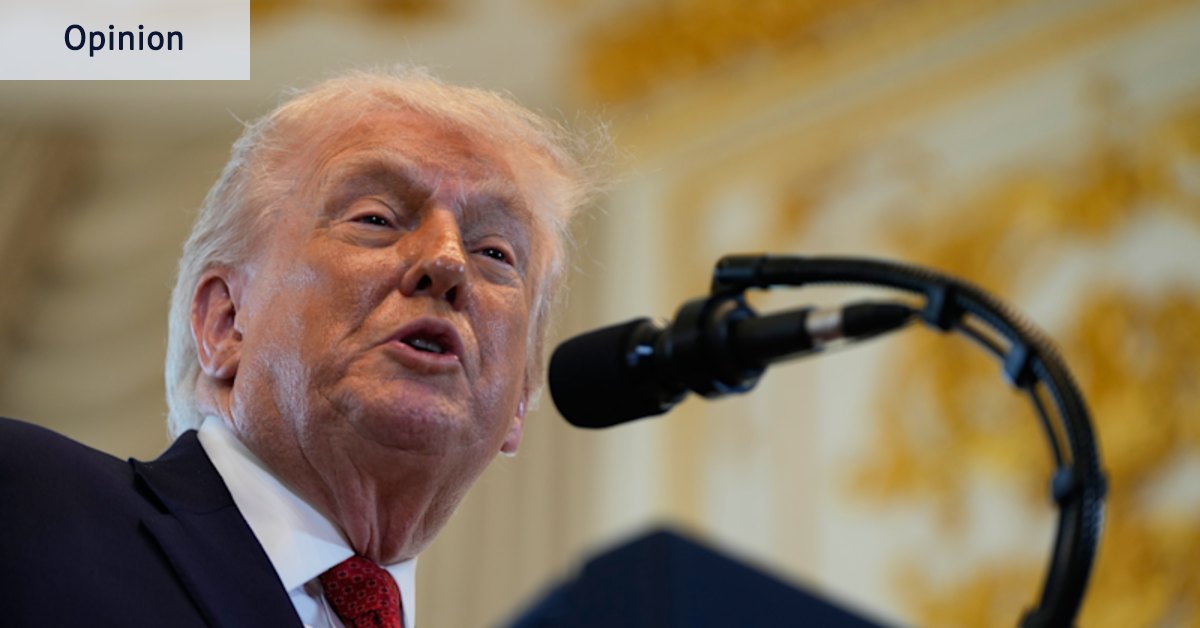
Some of the biggest banks in the world are preparing for battle in the US, all thanks to a social media post from Donald Trump calling for a 10 per cent cap on credit card interest rates.
Trump spooked investors in big US banks last week after he vowed he’d no longer let Americans be “ripped off” by credit card interest rates of 20 to 30 per cent.
But the most interesting thing about this fight is not really Trump’s proposal (which may be hard to enforce), nor the worried response from banks, both of which are predictable enough. More surprising is that this is an idea that crosses the notoriously divided US political spectrum.
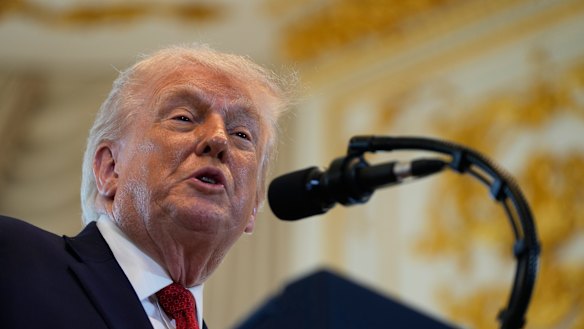 President Donald Trump said he’d no longer allow Americans to be “ripped off” on their credit card, spooking investors in US banks.AP
Indeed, Trump is the latest politician to venture into this space: progressive US politicians including Democrat Elizabeth Warren and independent Bernie Sanders have also backed capping credit card interest rates.
The fact Trump and some of his political foes support such blunt intervention is partly a sign of rising populism, but it also reflects the fact credit card interest rates are very high – often close to 20 per cent. That’s not only the case in the US, it’s equally true in Australia, where Canstar says the average rate on a balance accruing interest is 18.5 per cent.
There are also specific features of credit cards that can get people into debt traps – such as the ability to pay off only a tiny amount each month, and to rack up large amounts of interest at a very high rate.
In short, plenty of people struggle with credit card debt, and it certainly doesn’t help that the interest rates are sky-high.
Why are credit card interest rates so high?
And given credit cards can get people into difficulty, why not just cap the interest rates, as Trump and some of his opponents want?
Related Article
The stubbornly high cost of credit card debt has long attracted attention from politicians – Australian banks faced a Senate inquiry on the topic in 2015 and the corporate cop has also scrutinised the industry.
In response, banks maintain high rates simply reflect the cost of providing the product.
For one, credit card debt is unsecured, unlike a home loan. This is riskier for a bank because it means that if you don’t pay back the loan, there’s no asset the bank can sell.
Rates are also particularly high on the cards that come with perks – such as the ability to earn frequent flyer points – as opposed to dedicated “low rate” cards, which in Australia at least, are in some cases under 10 per cent.
It’s also likely rates are so high because banks know full well that many of their customers never pay any interest – they simply pay back the full bill every month, taking advantage of the interest-free days. So those who pay interest subsidise the many who don’t.
Would capping interest rates save consumers money?
In the short term, no doubt it would. One US study has claimed US customers could save about $100 billion a year under a 10 per cent rate cap.
But the US banks are arguing what bankers nearly always say when their business model is threatened: that they will lend less money as a result. They would say that, of course, but there is some truth to it: squeezing the revenue banks make from cards would surely have an impact.
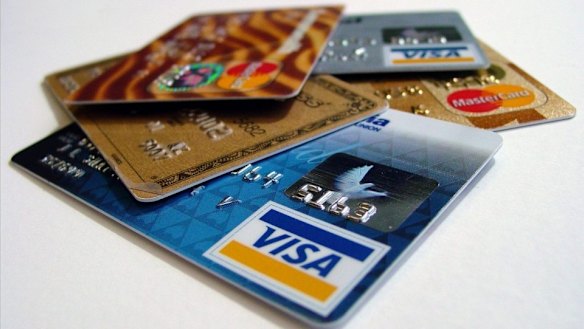 Credit card interest rates are stubbornly high, including in Australia.Jessica Shapiro
In the US, where cards are widely used to finance spending, big cuts in credit card lending could have significant economic consequences – partly because about 80 per cent of American adults have a credit card. There’s also a risk that a cap simply drives people to other forms of unregulated credit, which can cause other problems for consumers.
But if capping rates might not be practical, what would be a better way to deal with the problems caused by credit cards?
On this front, Australia provides a useful example of policies that have helped to encourage people to use credit card debt more sensibly and pay less interest as a result.
Indeed, over the past decade and a half, the total value of credit card balances that are accruing interest has plunged from about $35 billion to $19.7 billion, Canstar says, while the number of credit card accounts has also fallen.
The Australian Securities and Investments Commission (ASIC) has said that by late 2022, the total credit card interest paid by consumers had dropped by more than 40 per cent in the previous five years. Card debt remained a problem for many, especially younger people, ASIC said, but consumers have generally cut their balances that are accruing interest.
Related Article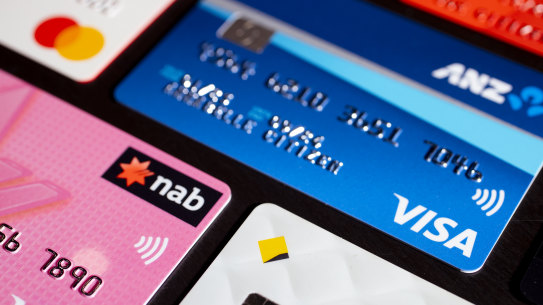
The main reasons for this are probably tighter regulation; the support households received in COVID-19 (some of which helped pay down debt), competition from buy now, pay later (BNPL) disruptors, and households being more savvy in how they use their cards.
A series of credit card reforms also began late last decade, including a ban on unsolicited credit increase offers, the right to request a credit limit reduction and card cancellation online, and tougher responsible lending assessments.
Banks have also helped to encourage people to use their cards more sensibly, such as some lenders sending SMS reminders to encourage people to pay off more than the minimum amount.
Payments expert Lance Blockley says there are some big differences between Australia’s credit card market and that of the US.
He points out that regulation of lending money in Australia is tighter to due to responsible lending laws, and in the US the card issuers are more generous with the perks they offer customers to encourage them to spend on cards (such as frequent flyer points to reward spending.)
The reason it’s easier to get frequent flyer points in the US is once again its lighter approach to regulation – over the years the Reserve Bank of Australia has cracked down on the fees that fund many of the frequent flyer points in Australia. What’s more, in the US, it’s common for lenders to use “risk-based pricing”, which means less creditworthy people are charged higher interest rates because they are riskier to banks and card issuers.
All these factors make credit card interest rates a sensitive topic in the US – but Blockley says Trump’s “rate cap” is unlikely to come into force, and if it does, it won’t necessarily solve the problem.
“If it did get up, it would likely cut a source of credit to people who need it,” Blockley says. “If you suddenly starve a segment of the American public of credit, you’re likely to see either a drop in retail sales and/or them searching for credit elsewhere.”
Australia’s experience suggests tighter regulation of credit cards – without the need for a rate cap – has helped to nudge people towards more sensible forms of borrowing on plastic.
Consumers are paying far less in credit card interest than they were in the past, and that’s a good thing for households.
The Business Briefing newsletter delivers major stories, exclusive coverage and expert opinion. Sign up to get it every weekday morning.
Save
You have reached your maximum number of saved items.
Remove items from your saved list to add more.
 Clancy Yeates is deputy business editor. He has covered banking and financial services, and was previously national business correspondent in the Canberra bureau.Connect via Twitter or email.From our partners