
Smartwatches have become one of the most common gadgets people wear today. After all, they promise to do everything from basic step tracking to monitoring your heart rate and oxygen-level. On paper, they look like the perfect everyday accessory.
But they also come with obvious downsides. A good smartwatch that offers reliable tracking usually costs hundreds of dollars. And no matter how advanced it is, most of them need to be charged every day or two. For a device that’s meant to stay on your wrist all the time, that constant charging quickly becomes another chore.
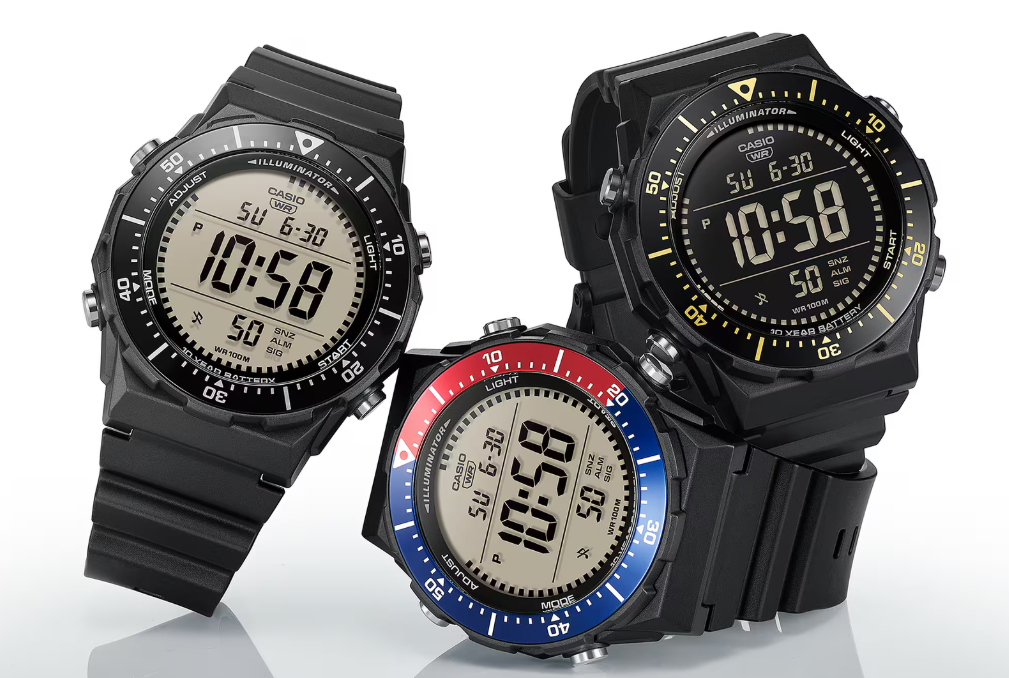
Personally, I’ve never enjoyed charging things more than necessary. Phones are unavoidable, laptops are understandable, but charging a watch every night has always felt excessive to me. That’s why I’ve gradually moved back toward conventional digital watches instead of Apple, Samsung, or other smart options.
And when it comes to simple, reliable digital watches, Casio still sits at the top of the list. Its affordable AE and W series, in particular, are one of the easiest recommendations for anyone who just wants a watch that works. The headline feature is a claimed battery life of 10 years.
Despite the dominance of smartwatches, interest in these inexpensive Casios hasn’t disappeared. If anything, they’ve settled into a quiet niche audience, but the traction is there. So here’s why Casio’s 10-year battery watches still make sense in 2026.
Practical features without the smart-device hassle
First and foremost, let’s look at the features a 10-year Casio smartwatch offers. One of the common misconceptions is that long-battery watches fall short in terms of specs and features. That isn’t really true. Modern Casio models with 10-year batteries often include genuinely useful tools such as:
world time for travelersmultiple alarmscountdown timersstopwatchesbright LED backlightswater resistance
These are features most people actually need in daily life, without any of the complexity that comes with a smartwatch.
A decade of near-zero maintenance
The biggest appeal of Casio’s 10-year battery watches is quite obvious. You don’t have to think about them once you wear them.
Most quartz watches need a battery change every two to three years. That means trips to a repair shop, small service costs, and the minor annoyance of suddenly finding your watch dead one morning. Imagine you don’t have to think about all this for a decade.
You buy a watch in 2026, use it extensively, and realize only in 2036 that now is the time for a battery change. It’s a real convenience for people who treat watches as tools rather than fashion accessories; this is a huge advantage.
Real quality-of-life improvement for heavy users
Speaking of usability, a long-battery-life smartwatch is most suitable for people who rely on their watches every day. You could be a student who uses a watch for alarms and timers, or a traveller with a need for world time. Casio excels on all these fronts.
Of course, smartwatches can also do this and even more, but heavy use means even more frequent charging. With a 10-year battery, you can use alarms, timers, a world clock, and backlights regularly without worrying about draining the battery.
Built for rough use
I’ve always looked at Casio as the Nokia of watches. The company built its reputation for durability, and that stays even to this day.
Most of the company’s long-battery models are designed to handle rough daily use. They offer 100-meter water resistance, resin construction, and simple quartz movements that can survive years of wear. So you can be sure to wear them during traveling, hiking, working outdoors, or commuting in bad weather without worrying too much.
Unlike smartwatches with delicate screens and expensive repairs, a basic Casio is meant for rough use. That practical, rugged nature makes them trusted companions for people who need a watch as a tool rather than a status symbol.
Better for the wallet
Casio’s 10-year battery model is also light on your pockets. You can easily get one below $50 with all of the durable features we mentioned above. And if you calculate value as “years of service per rupee or dollar,” these watches are hard to beat. You pay a small amount upfront and get a decade of reliable use with almost no additional expense.
That’s a big deal for students and budget-conscious buyers. No subscription costs, no expensive repairs, no accessories required.
There’s also a quiet environmental benefit. Fewer battery changes mean fewer disposable coin cells thrown away. A watch that lasts ten years without replacement reduces small but real electronic waste.
Casio’s newer models also increasingly focus on durable builds and longer product life rather than fast replacement cycles. It’s not a dramatic solution to e-waste, but it’s a sensible step in the right direction.
Longevity over novelty
Technology culture today revolves around upgrades. New phones every year. New wearables every few years. More features, more apps, more charging.
Casio’s 10-year battery watches are the exact opposite philosophy. They are built around reliability, low friction, and long-term thinking. A gadget that quietly runs for a decade without asking for anything in return feels almost unusual now.
Smartwatches will continue to evolve and offer more capabilities. For many people, they make sense. But there will always be users who just want a simple, dependable watch that tells the time, sets alarms, and never needs attention.
For them — and for anyone tired of charging yet another device — Casio’s 10-year battery watches remain one of the most practical pieces of technology you can still buy today. And that’s why they matter.
For more daily updates, please visit our News Section.
Stay ahead in tech! Join our Telegram community and sign up for our daily newsletter of top stories.