
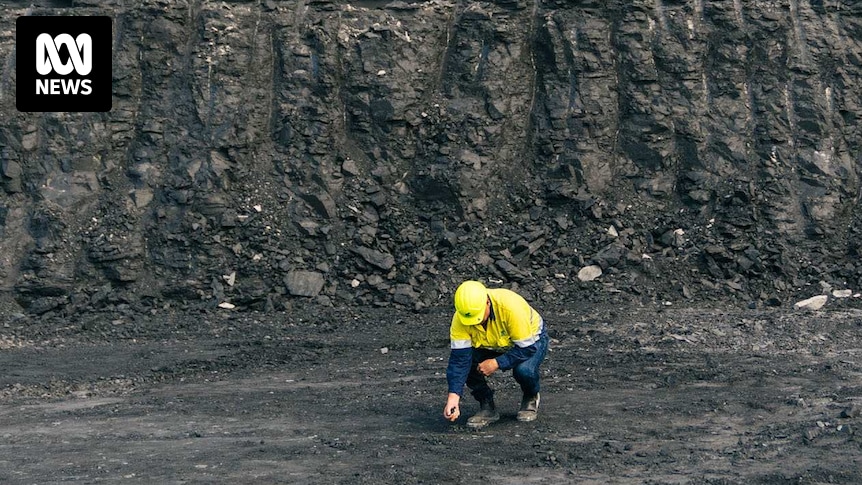
West Australian taxpayers will continue to prop up a foreign-owned coal mine critical to the state’s main power grid after Premier Roger Cook said the lights would go out if it failed.
Mr Cook this morning revealed the state government would extend yet another lifeline to Griffin Coal, a beleaguered mine near Collie, 180 kilometres south of Perth.
The mine has been in receivership since 2021, when its Indian owners pulled the plug after years of operational difficulties and mounting losses.
Griffin has more than $1 billion in debt.
At a press conference in Collie, Mr Cook said the government would end up ploughing more than $300 million into subsidising Griffin’s operations under a funding deal set to expire in June.
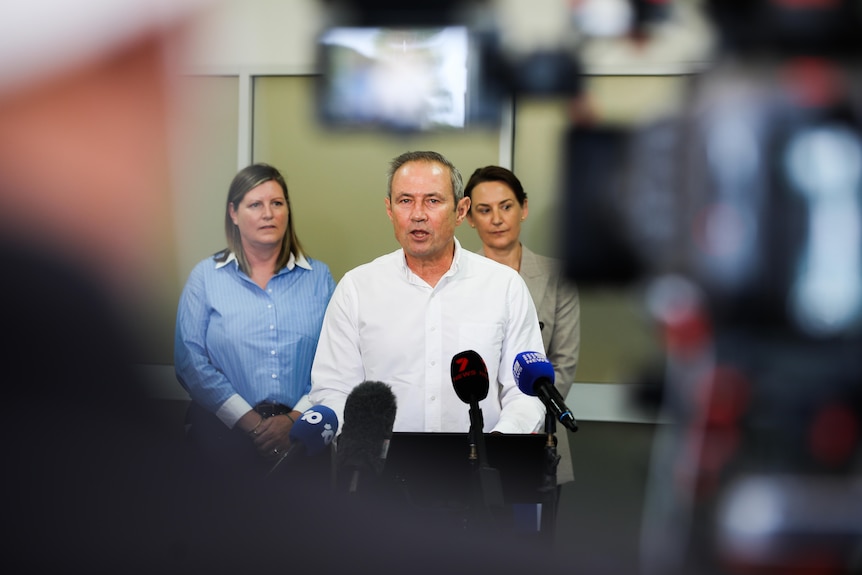
Premier Roger Cook announces the extension in Collie on Wednesday. (ABC News: Keane Bourke)
And while the premier had previously stressed there would be no more money once the deal ended, he acknowledged that position had changed.
Under a new, “in-principle” deal, he said Griffin’s licence to operate would be extended by up to five years, while its customers would pay more for the coal it supplies.
Among those customers is Bluewaters, a 440MW coal-fired power plant that produces about 15 per cent of the power generated in WA’s biggest electricity grid.
But Mr Cook said the government would still be required to chip in money to keep Griffin afloat, albeit at a “drastically” lower rate than before.
“I will reveal all those costs in Parliament once the agreements have been finalised,” Mr Cook said.
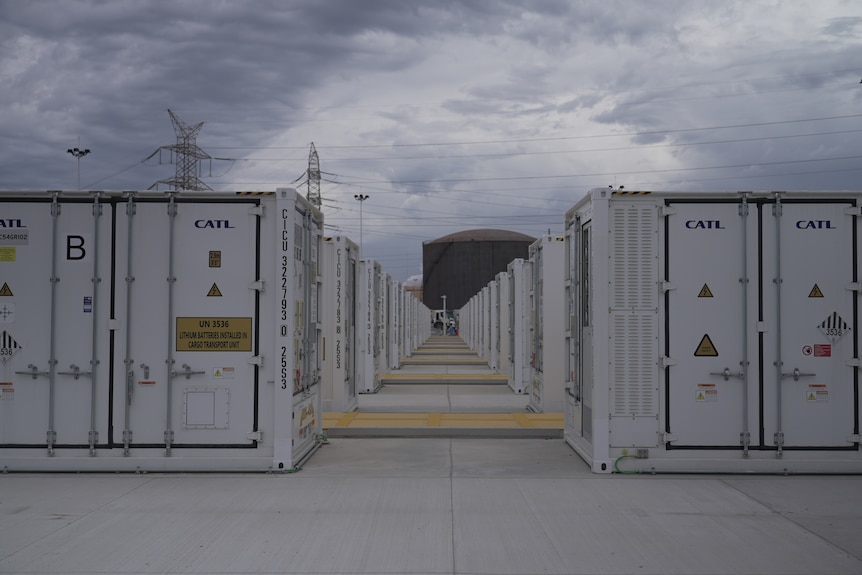
Collie, 200km south-east of Perth, is home to a big battery as part of the government’s transition to renewables. (ABC News: Clint Jasper)
The premier said the latest agreement, and the hundreds of millions of dollars already spent, aimed to provide some certainty to a coal mining and power generation industry that was struggling amid rapid change.
He said the government had “inherited some broken contracts, unsustainable contracts which represented a risk to energy security”.
At the heart of those remarks was an historic contract between Griffin and its main customer, Bluewaters, under which the miner was forced to sell coal at a loss.
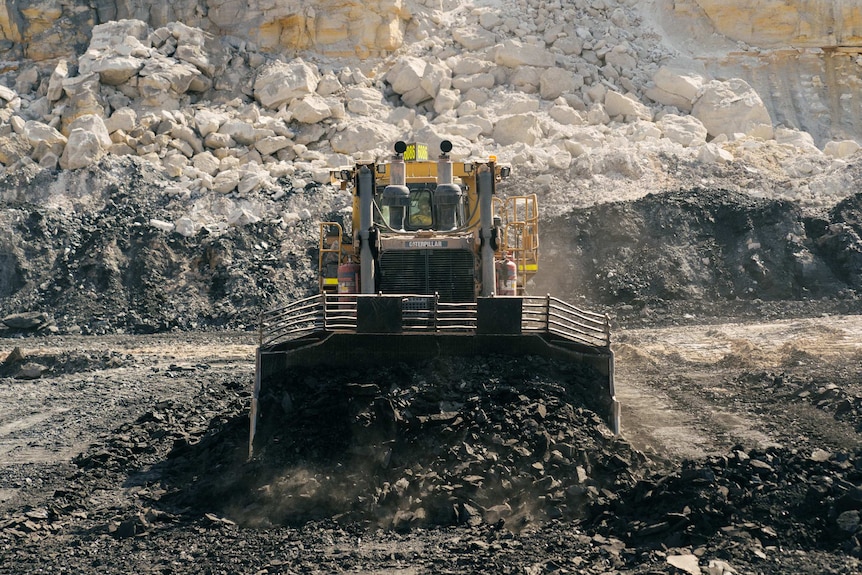
Griffin’s coal mine is receiving another lifeline. (ABC News: Hugh Sando)
Mr Cook said as problematic as those arrangements were, both Griffin and Bluewaters would still be needed until at least 2030, meaning a compromise was essential.
“If we did not intervene, it would’ve meant we were switching the lights off in Western Australia,” he said.
“That’s not acceptable. And that’s why I intervened in the way I did.”
End of coal ‘rock-solid’
Despite the extension of Griffin’s state agreement, both the Premier and Energy Minister Amber-Jade Sanderson insisted the government’s timetable to closing down state-owned coal generators was on track.
The government plans to shut the Collie and Muja generators in 2027 and 2029, respectively, in a move that some observers have labelled as unrealistic.
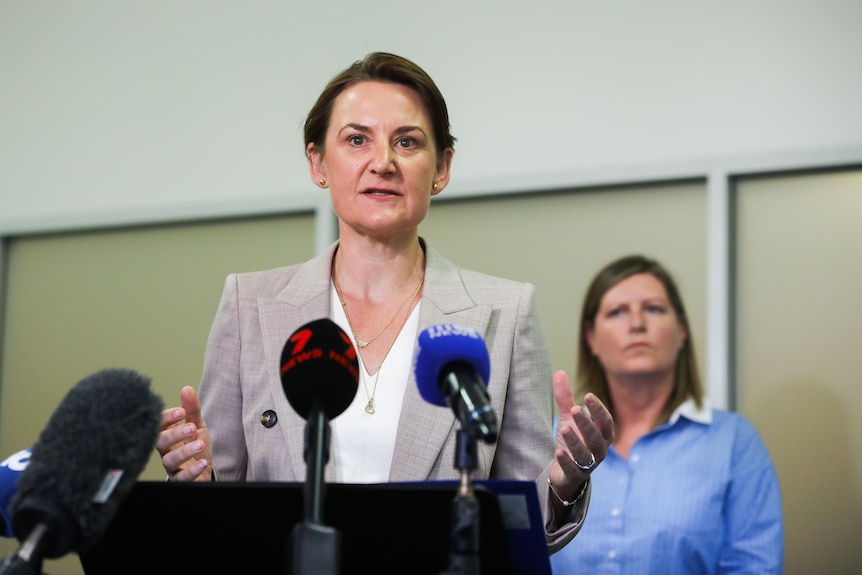
Amber-Jade Sanderson reaffirms Labor’s commitment to retire state-owned coal-fire power stations by 2030. (ABC News: Keane Bourke)
Ms Sanderson said there was a wave of investment in renewable energy that was about to wash through WA’s main grid.
She acknowledged that some projects including proposed wind farms would not happen, but there was a sufficient number of others which would go ahead and make the replacement of coal possible.
“I think it’s important that people understand that [state-owned power stations] do not rely on Griffin,” Ms Sanderson said.
“Those retirement dates are set.
“They are really end-of-life assets and they are going to be sweated to the end.
“So there isn’t an option of extending those assets for the state.”
The premier also announced a “transition taskforce” to develop a detailed proposal on the future of the coal assets in the Collie region.
It will consider whether the two coal mines in the area could be more efficiently mined by a single entity — and the issue of mine rehabilitation.
Loading