
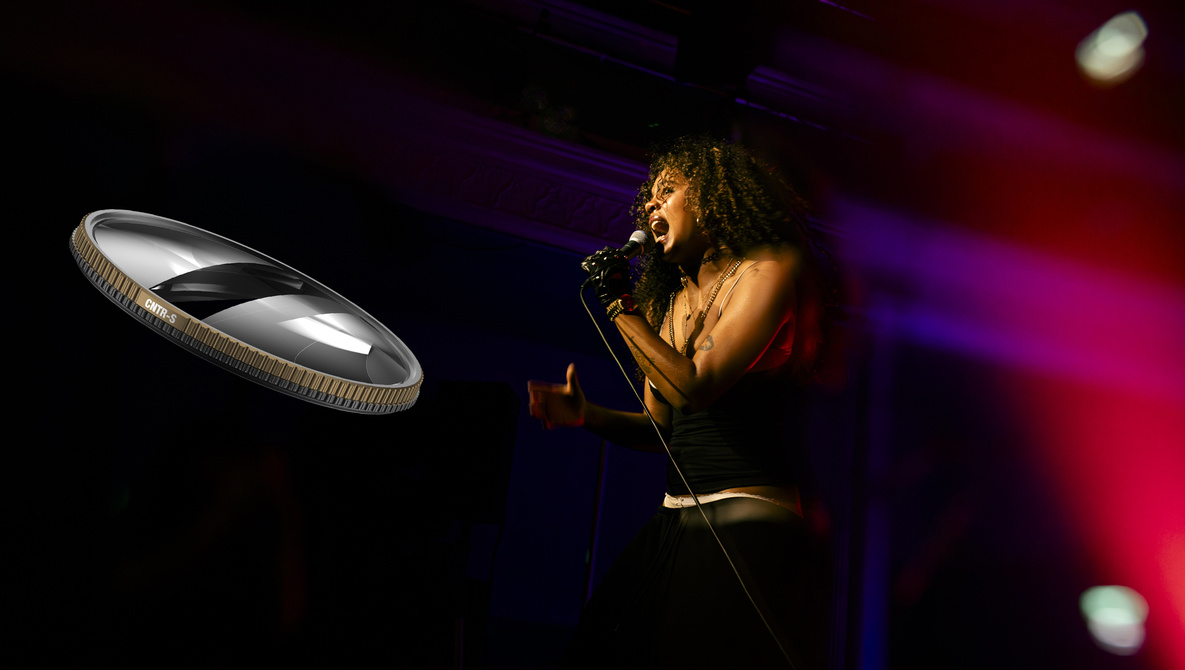
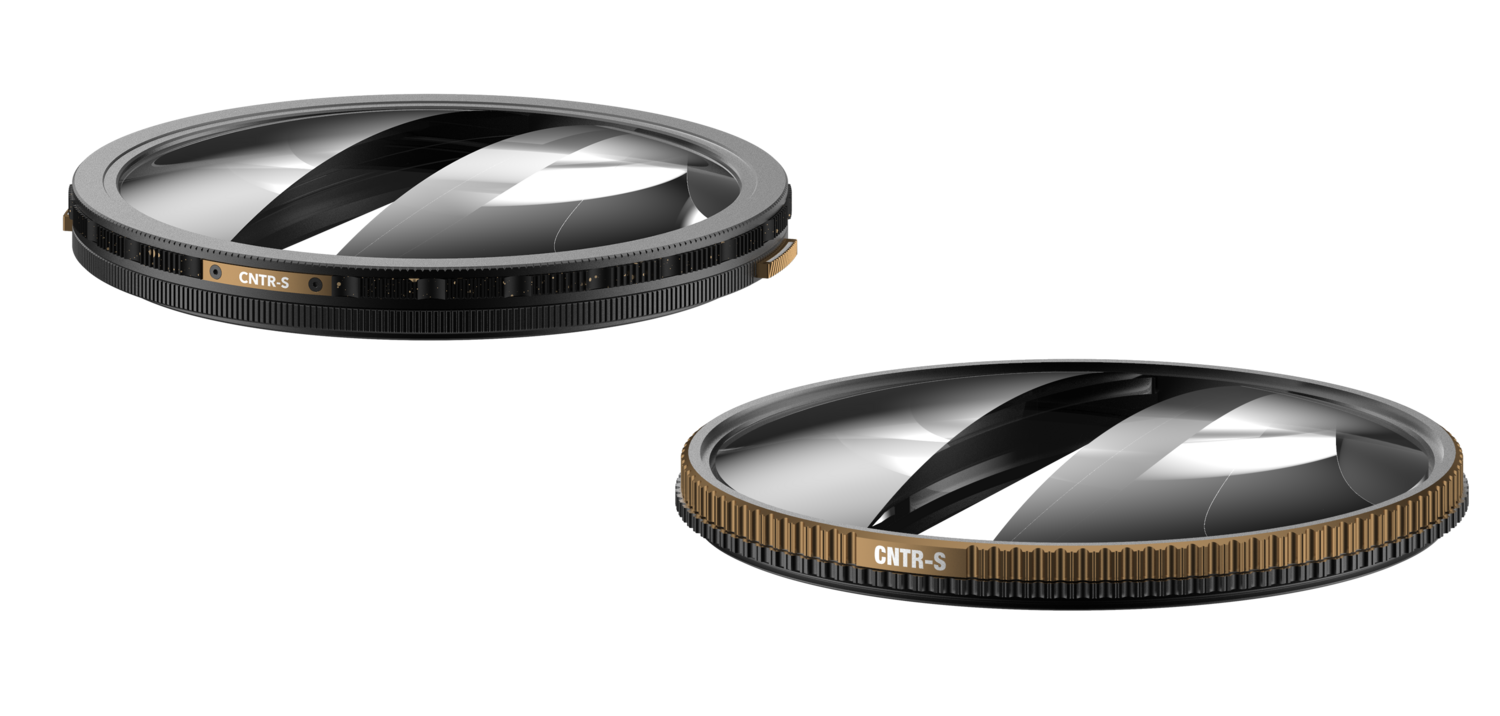
The PolarPro Center Split Filter is the latest in-camera optical tool designed for photographers and filmmakers who want to push their visuals beyond the ordinary. Rather than relying on digital effects during post-production, this filter creates a dreamy aesthetic during capture.
The majority of the time, lens-based creatives will seek to create sharp images that document the scene in front of them. On occasion, blur is required to aid in storytelling. This, of course, can be achieved with slow-shutter techniques or wide apertures to direct the gaze, but sometimes you need more than what your standard setup can offer.
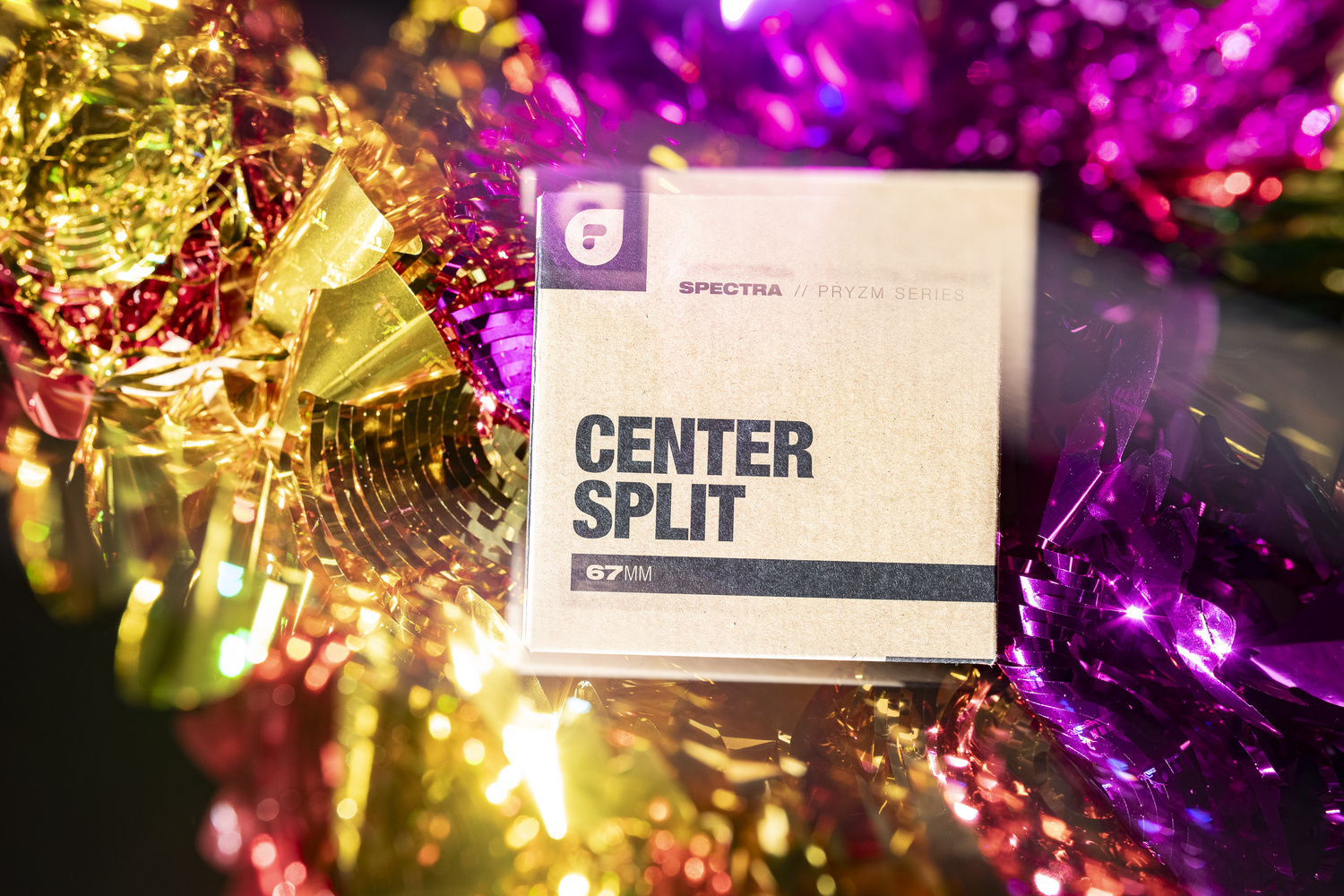
This is where the PolarPro Center Split Filter shines. With sharp focus in the center of the frame and soft, dreamlike blur around the edges, it gives your images an unmistakable stylized look that feels nothing short of cinematic. Built using precision +4-diopter glass, the Center Split Filter is optimized for use between 35mm and 85mm focal lengths, and I find that it works best with wide apertures from f/2.8 down to f/1.4. This combination makes it especially appealing for narrative-driven content where atmosphere and mood matter as much as detail, and sometimes more so. I tested the 67 mm version, pairing it with my Sigma 35mm f/1.4 DG HSM | Art lens, an already popular choice in my kit bag for clarity and low-light performance.
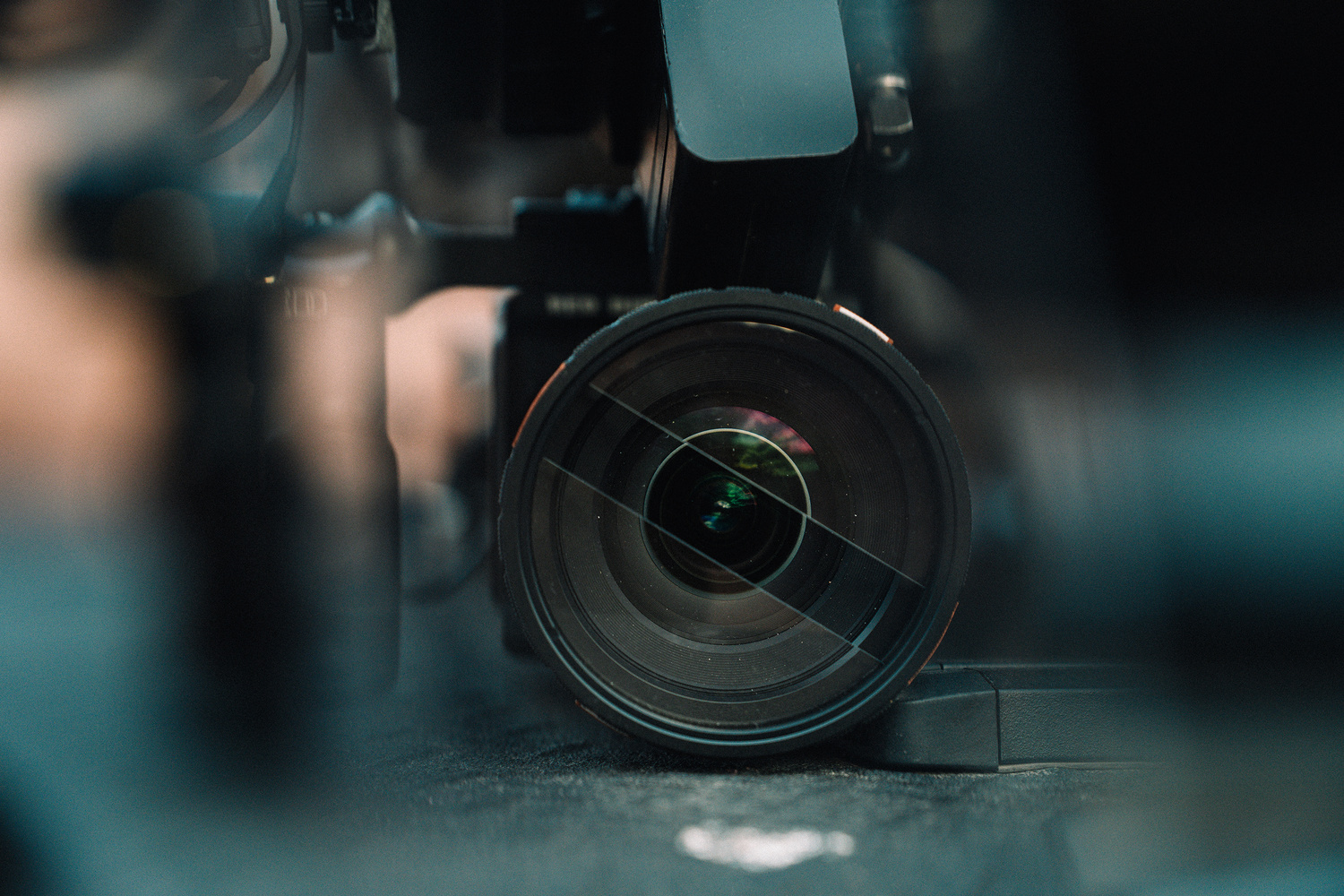
To use the PolarPro Center Split Filter, start by positioning your subject within the sharp central zone of the frame. The distorted effect increases toward the edges, so even small adjustments to framing or angle will create a noticeably different look. Pay close attention to how the split line interacts with your subject, lights, and background elements, because this determines the overall impact of the effect. Rotate the filter slightly if needed, then fine-tune your composition until the balance of sharpness and blur matches the mood or style you’re aiming for.

First Impressions
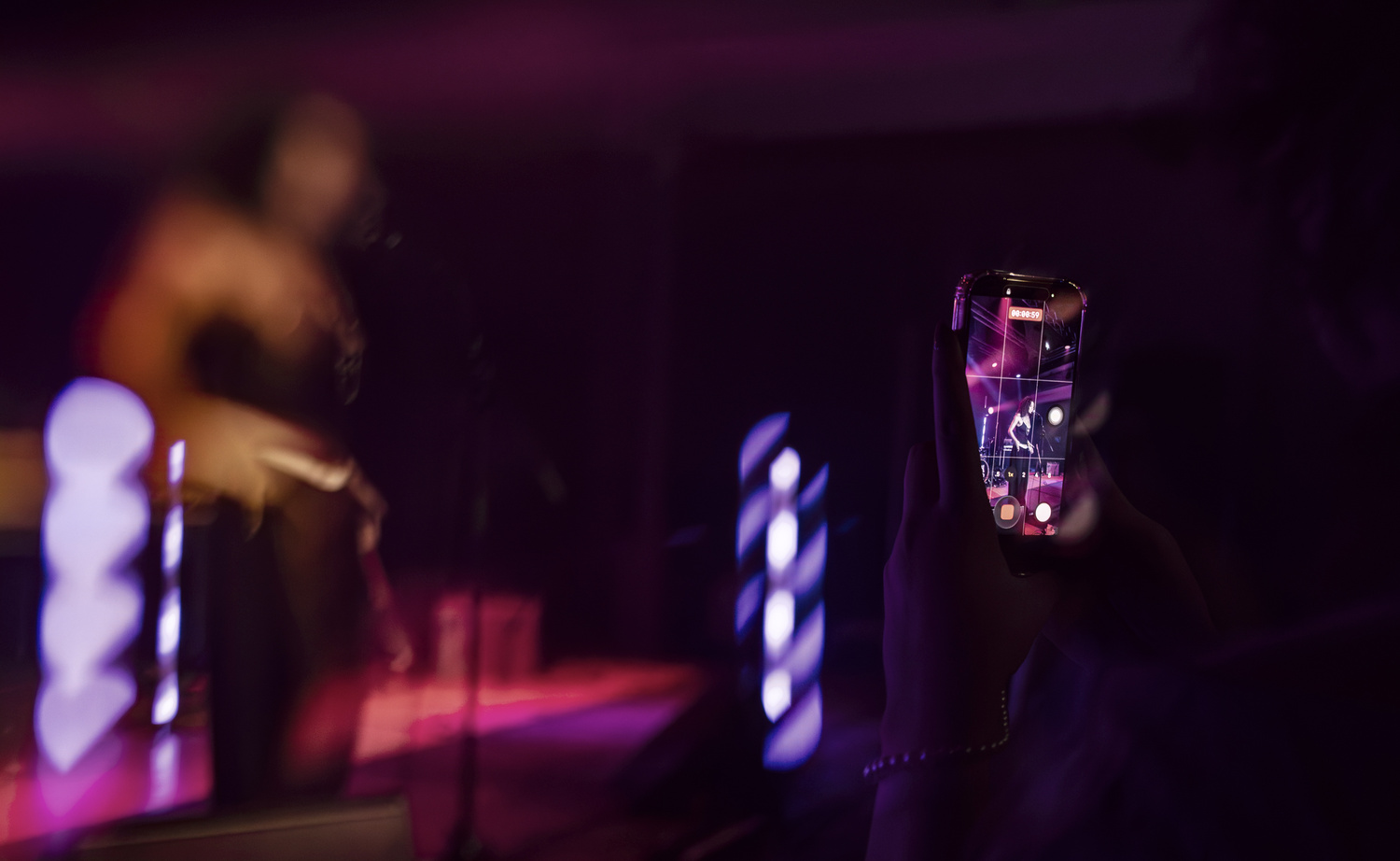
As soon as this filter arrived, I knew exactly what I wanted to use it for, and that was creating distorted concert images—giving a performance in a relatively small venue a dramatic, big-stage cinematic feel. With careful placement of my subject along the filter’s center split line, and by positioning lights within the blurred edges, I was able to keep the important elements sharp and turn the simple lighting setup into something much more cinematic. The strip lights bloomed, and I immediately saw the ability this filter has to transform a basic scene into something more expressive.

There is a degree of experimentation involved, but that is just part of the fun. Experimentation is absolutely necessary, but I got the technique down within the first few shots. Because the filter’s effect changes dramatically depending on angle and framing, you naturally find yourself trying different positions and compositions than you would normally use. It’s easy to rotate the filter while shooting to explore a range of distortion angles, giving you plenty of creative options from the same composition and viewpoint.
Smaller concert venues with simple stage lighting often lack the depth or variety needed for epic-looking images, but the Center Split Filter changes that dynamic completely. By utilizing the existing lighting and letting the filter bloom and distort the surrounding edges, I found my shots suddenly matched the energy that my daughter exudes when she performs, allowing for images that much better align with the tone of the performance. The glowing streaks of the strip lights and exaggerated halos amplified the mood rather than distracting from it.
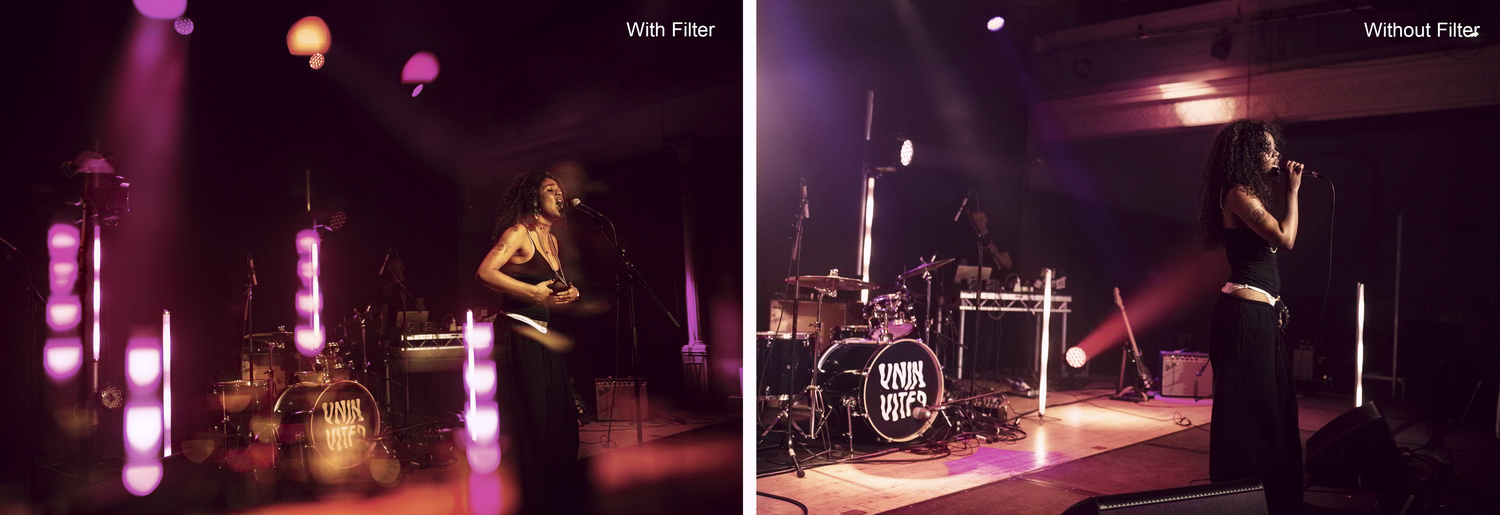
Comparing shots with and without the filter, it is plain to see the benefits of the effect. With the filter, the images feel more intentional and immersive. I still like the images without it, but that added flair is the icing on the cake.
Ease of Use: Helix or Threaded
Adding or removing the filter is incredibly straightforward. If you’re using PolarPro’s Helix MagLock attachment system, swapping filters takes seconds thanks to the quick-attach magnetic design. Even with the traditional threaded versions, the clean, precise threading makes it simple to mount securely without any fuss. I was able to add and remove the filter in a dark environment without issue. This ease of use makes experimenting mid-shoot feel natural rather than disruptive.
Video Applications
Although my testing focused on photography, it’s immediately clear this filter will also make an excellent asset for video content. The ability to subtly turn or adjust the filter to control the amount of distortion gives you added creative options during capture, which is something that would be time-consuming to replicate convincingly in post.

Pros
Clear, high-quality optics with no compromise to the sharp zone in the center
Clean, smooth threading and fast-swap capability with the Helix mount
Highly experiment-friendly, with effects you can adjust by rotating the filter
Creative versatility across portraits, still life, concerts, and video
A unique look that’s difficult to replicate digitally
Cons
Not ideal for every subject
The effect depends heavily on subject placement; off-center composition may not pair well with this filter
This filter rewards experimentation; shooters rooted in intentionality may have a learning curve to climb
Final Thoughts
The PolarPro Center Split Filter is the kind of tool that immediately pushes you to think differently. It’s fun, it’s expressive, and capable of producing cinematic images straight out of camera. Whether you’re shooting concerts, portraits, still life, or some cinematic B-roll, this filter opens creative doors that standard glass simply can’t.
If you enjoy experimenting with atmosphere and composition, or if you want to bring more emotion into your images straight out of camera, I think this filter is absolutely worth adding to your kit.