


Antonia Medlicott with her family
I was halfway through a humble chicken stew when it hit me. Not the thyme. The symbolism. The recipe was from Save with Jamie, cheap, filling and vaguely virtuous. And I realised we have quietly stopped cooking from Ottolenghi’s Plenty altogether. Not because we’ve fallen out with aubergines, but because a £30 shop of interesting ingredients now feels like a decision that needs a board meeting.
It isn’t just the cookbook. In our house subscriptions have been cancelled, we’ve got rid of a car, the heating is turned down, and we do not “pop to the shops” for fun any more. Takeaways have become occasional. Meals out are planned well in advance. Spending has narrowed to what we need, not what we fancy.
Do the kids notice? Probably not. They’re happy enough with Jamie’s chicken stew. But the point is, this is the opposite of lifestyle creep. It’s a lifestyle retreat. And if our household is doing this, it’s a fair bet we’re not alone.
An awful lot of families are having the same conversation: “We’re earning more on paper, so why does it feel like we’re going backwards?”
The data backs up what many of us feel around the kitchen table. Barclays’ consumer spending figures show that overall card spending fell 1.7 per cent in December compared with the same month in 2024, with discretionary spending particularly weak. Retailers have reported one of the most subdued Christmas trading periods in years, and profit warnings from mainstream names are increasingly framed around “cautious consumers”.
That is not a nation splashing out. That is a nation bracing itself. Retailers are feeling it too. The business advisory firm BDO reported that high street discretionary sales in December were down 1.4 per cent on the previous December and the weakest monthly performance since November 2024. The British Retail Consortium, a trade body, described a drab Christmas, with total sales growth of 1.2 per cent, well below the previous year.
So yes, it’s showing up in the sales trackers and the profit warnings. But the bigger story is why it’s happening. We’ve heard the phrase “frozen thresholds” on repeat, but it is one of those policies that quietly rewires household behaviour.
When income tax thresholds are frozen, pay rises push more of your income into higher tax bands without parliament ever putting up the headline rate. It’s stealthy, and it’s effective. The official term is fiscal drag. The Office for Budget Responsibility (OBR) has warned that freezes drag millions into paying higher rates. It forecasts that 5.2 million will be dragged into paying income tax, and 4.8 million more into paying the higher rate of income tax by 2030-31.
• ‘We don’t want a pay rise’ — the curse of the six-figure salary
And once a household tips from “comfortable” to “cautious”, it tends to pare back spending in just the areas that the economy needs — discretionary goods and services. Eating out, clothing, days out, home improvements: the little luxuries that keep thousands of small businesses alive.
Consumer spending is the engine room of the UK economy. Household spending is about 60 per cent of GDP. So when households collectively decide to retreat into Save with Jamie mode, the economy doesn’t just slow a bit. It changes shape.
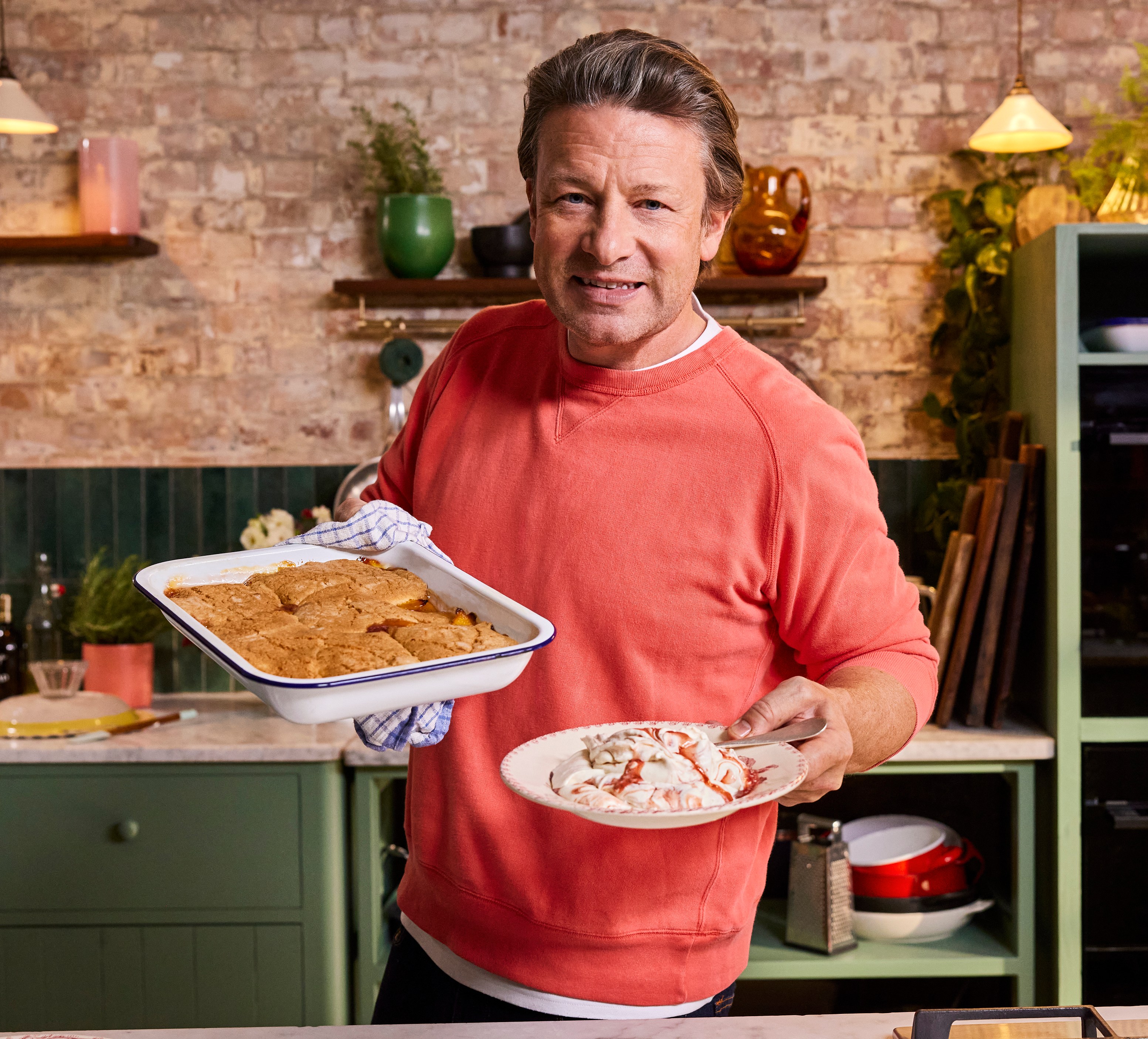
Jamie Oliver’s Save with Jamie recipes can help to keep costs down
Your cancelled subscription is someone else’s revenue line. Your decision not to replace the sofa is a retailer’s weak quarter, then a supplier’s reduced orders, then fewer shifts in a warehouse, then less overtime, then less money spent in the café near the warehouse. This is how a rational household choice becomes a collective problem: it’s the same action repeated across millions of kitchen tables.
Britain already appears unusually cautious compared with other countries. It has been reported that since the pandemic, UK consumers have curtailed spending more than any other G7 nation, with real household spending barely rising overall, and falling per person.
This feeds back into public finances too. When spending slows, VAT receipts are down. When retailers discount harder, margins shrink and profits fall, which hits corporation tax. When businesses stop hiring, income tax growth slows. Economists have a phrase for this: the paradox of thrift. This means that what is sensible for one household (cutting back, getting financially resilient) can be damaging when everyone does it at once, because it reduces demand across the economy.
• The age of the rich retirement is over
That doesn’t mean you should heroically buy a new sofa for the good of the nation. It means that policymakers need to understand what frozen thresholds and prolonged squeezes do to behaviour. They don’t just raise money. They change how people live.
When families discover that life functions perfectly well with fewer subscriptions, simpler meals and less shopping, it is hard to persuade them to return to old patterns. Austerity, when it is self-imposed, can become sticky. It’s good for your long-term finances, but awkward for an economy built on you not doing that.
As for our household, Save with Jamie is doing what it was designed to do: keeping the plates full, the budget intact, and the national mood captured in a single, humble stew. And if that stew is becoming a staple across the country, we should all be honest about what it means — not just for our grocery bill, but for the economy we all share.